How to Install a Shower Drain: A Step-by-Step Guide
Learn how to install a shower drain with a clear, step-by-step method. From choosing the right drain to testing and sealing, this guide helps homeowners DIY safely and effectively.


Installing a shower drain correctly prevents leaks, odors, and water damage. According to Drain Guide, start by choosing the right drain type, preparing the subfloor, and seating the flange, then sealing the assembly. You’ll learn how to test for leaks before tiling and complete a durable install that lasts for years.
Safety and Prep
Before you touch the shower drain, switch off any nearby electrical outlets in the bathroom and place a temporary barrier to keep children and pets away. Wear protective eyewear and gloves to guard against sharp edges and wet surfaces. Dry the area thoroughly and inspect the subfloor for damage, rot, or moisture intrusion. Look for a pre-slope toward the drain and verify that the pan liner is intact if you’re working with a modern membrane shower. The Drain Guide Team emphasizes that meticulous prep reduces surprises during install and helps prevent future leaks. If you’re removing an old drain, take a few photos of the current setup to guide reassembly and confirm flange height relative to the finished tile.
Understanding Shower Drain Types
Shower drains come in several configurations, with tile-in, clamping, and screw-in models being the most common. Tile-in drains sit flush with the tile surface and require precise height matching with the tile thickness. Clamping drains are easier for DIYs and use a rubber gasket to seal against the drain body. Screw-in drains provide a straightforward adjustment, but may require more precise pipe threading. For tile showers, a low-profile tile-in or clamping drain is often preferred because it minimizes the risk of tripping and helps maintain a clean, seamless look. Drain installation should align with the pan liner and ensure a proper slope toward the drain to avoid standing water.
Preparation and Subfloor Assessment
Start with a thorough measurement of the drain opening to choose the correct flange size. Inspect the substrate for stability; if the subfloor is plywood, ensure it’s adequately supported and free of moisture damage. If you’re installing over a mortar bed or waterproof membrane, determine whether you need to remove and replace portions of the membrane or simply seal and fasten the new drain. Use a straightedge to confirm the finished height of the drain will align with the tile layer. Drain Guide can help homeowners understand how to coordinate flange height with tile thickness and ensure a leak-free transition between the drain and the surrounding surface.
Step-by-Step Overview (High-Level)
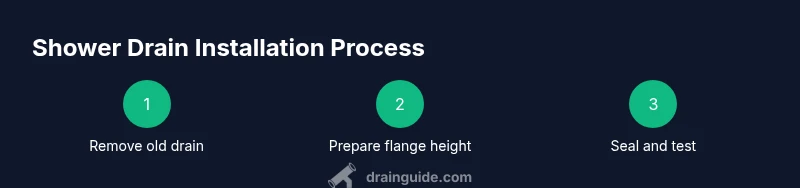
A successful shower drain install involves selecting the right drain type and flange height, removing the old components, prepping the substrate, installing the new flange, sealing the joints, connecting the waste line, performing a water test, and finally tiling around the drain. Each step requires careful measurement and drying times to ensure a watertight seal. Always pre-fit components before applying sealants to avoid misalignment. This overview provides a roadmap so you can follow the detailed steps with confidence.
Common Mistakes to Avoid
Rushing the flange height and not testing before tiling leads to leaks and cracked tile. Skipping the waterproof membrane or using insufficient silicone around the flange can cause mold and odor problems. Using too much plumber’s putty or silicone can create gaps that trap moisture. Failing to dry-fit the drain before final installation often results in a misaligned flange or a loose seal. Take your time with the wet areas and verify alignment at multiple points as you go. Drain Guide recommends a methodical approach and gentle adjustments rather than forcing components into place.
Maintenance and Long-Term Care
After installation, monitor the drain during the first few uses for any movement or leaks. Regularly clean the grate and remove hair or debris that can impede flow. Re-seal joints if you notice dried silicone or discoloration. Periodic checks of the pan liner and waterproofing around the drain help prevent long-term water damage. Drain Guide’s tips emphasize that proactive maintenance saves substantial repair costs over time and keeps your shower draining smoothly for years.
Testing and Final Check
Perform a flood test by filling the shower base with a small amount of water to observe for leaks around the flange and at the drain seam. If any moisture appears, re-torque the drain components and re-seal with fresh silicone. Once the plumbing tests pass, finish with tile and grout, ensuring the surrounding surface is fully dry before sealing. A thorough test confirms that the installation is watertight and ready for everyday use.
Tools & Materials
- New shower drain kit (tile-in or clamping)(Choose based on tile thickness and pan type)
- Adjustable wrench(For securing the drain body and waste lines)
- Pipe wrench(Helpful for stubborn fittings)
- Screwdriver set (Phillips and flathead)(For fasteners and collar screws)
- Putty knife(Scoops and smooths plumber's putty or epoxy compound)
- Plumber's putty(Seal between the drain flange and tile substrate)
- Silicone sealant (neutral cure)(Use around the drain flange; allow curing time)
- Caulk gun(Applies silicone evenly in tight corners)
- Measuring tape(Precise readings for flange height and tile thickness)
- Utility knife(Trim membranes or backing material as needed)
- Tile spacers(Maintains even grout joints around the drain)
Steps
Estimated time: 60-120 minutes
- 1
Remove old drain and inspect substrate
Carefully detach the existing drain cover and body using the appropriate screwdriver and wrench. Lift the flange gently to inspect the substrate for moisture damage, mold, or rotten plywood. If you find issues, address them before proceeding to avoid recurring leaks.
Tip: Document the current setup with photos to guide reassembly and verify flange height relative to finished tile. - 2
Choose drain type and determine flange height
Select a drain type that matches your shower pan and tile thickness. Measure the desired finished height so the flange sits flush with the tile surface. Record the measurements to confirm compatibility with the new drain.
Tip: When in doubt, pick a drain with a slightly adjustable flange that can accommodate minor height differences. - 3
Dry-fit the new drain in place
Without sealant, place the new drain over the prepared area to confirm fit. Check that the flange sits level and that the gasket seals cleanly against the subfloor. Rework any areas that show gaps before permanent installation.
Tip: A dry-fit test helps you avoid costly mistakes and ensures you align the drain with tile thickness. - 4
Prepare the waterproofing layer
If your shower uses a membrane or mortar bed, ensure it is intact and compatible with the new drain. Cut back any damaged areas and reseal or re-waterproof as required. This step helps prevent water intrusion behind walls and under tiles.
Tip: Follow the membrane manufacturer’s guidance for seams and overlaps. - 5
Install flange, gasket, and sealant
Seat the drain flange into the subfloor, placing the gasket according to the manufacturer’s instructions. Apply a thin bead of plumber’s putty or silicone beneath the flange to seal against the substrate. Tighten the drain nut or ring evenly to avoid warping the flange.
Tip: Never over-tighten; it can crack the flange or distort the gasket. - 6
Connect waste piping and test the seal
Attach the drain body to the waste line using the appropriate fittings. Run a preliminary water test to verify there are no leaks at joints. If leaks appear, re-tighten fittings and reseal before proceeding.
Tip: Run the test with a small amount of water first, then gradually increase to the full test volume. - 7
Seal joints and prepare for tiling
Apply silicone around the drain perimeter where the flange meets the tile or membrane. Allow the sealant to cure per the manufacturer’s instructions before applying grout or tile. This protects against moisture wicking and isolates the drain from tile movement.
Tip: Use a steady, even bead and tool off excess with a wet finger for a clean edge. - 8
Tile around the drain and perform final inspection
Finish tiling around the drain, leaving a tight, uniform grout line. Do a second water test after tile and grout cure to confirm there are no leaks. Inspect the surround for any movement or gaps that could trap moisture.
Tip: Ensure grout depth around the drain is minimal to prevent pooling.
Got Questions?
What tools are needed to install a shower drain?
A basic plumbing toolset is usually enough: adjustable wrench, screwdriver set, pliers, putty knife, utility knife, measuring tape, and silicone sealant. Depending on the drain type, you may also need a drain wrench or tile cutter. Always follow the drain manufacturer’s instructions for specific tools.
A basic plumbing toolset and the drain’s own hardware will usually suffice. Follow the manufacturer’s instructions for any specialized tools.
Can I install a shower drain over existing tile?
Yes, you can install a drain with existing tile, but you must ensure the tile thickness matches the drain flange height and that the waterproofing remains intact. In many cases, cutting a clean opening and re-tiling around the drain yields the best seal and appearance.
You can, but ensure proper height and waterproofing so the tile sits flush and there are no gaps.
How do I know what drain type to use for my shower?
Choose based on tile thickness, pan type, and whether you want a tile-in look. Tile-in drains offer a clean finish but require precise height matching. Clamping or screw-in drains are easier for DIYs and typically quicker to install.
Pick based on tile thickness and whether you want a flush, tile-ready look or a simpler DIY install.
How long does silicone take to cure after installation?
Silicone typically cures over 24 to 48 hours, depending on temperature and humidity. Plan tiling and foot traffic to avoid disturbing the area while it cures.
Most silicone cures in about a day or two; check the product label for exact times.
What if I discover a leak after testing?
Re-torque or reseal the drain joints as needed. Re-check the waterproof membrane and re-run a test with progressively larger water volumes until no moisture appears.
If you see a leak, re-tighten and re-seal, then test again until no moisture shows.
Is professional help required for sloped subfloors?
Not always, but sloped or structurally compromised subfloors may require a plumber or contractor. A proper slope is crucial for reliable drainage and preventing standing water.
If the subfloor shows obvious damage or you’re unsure about slope, consider a pro.
Watch Video
The Essentials
- Plan drain type and height before demolition
- Verify subfloor integrity and waterproofing
- Seal the drain perimeter to prevent leaks
- Test for leaks before tiling
- Maintain drains regularly to prevent clogs