How Much Does Draining an Abscess Cost? A Practical Guide
Learn how abscess drainage costs are determined, typical ranges by setting, and strategies to estimate and minimize expenses with guidance from Drain Guide Analysis, 2026.


The typical out-of-pocket cost to drain a simple abscess in an outpatient clinic ranges from about $200 to $700, depending on location and setting. Drain Guide Analysis, 2026 notes that additional charges for ER care, imaging, anesthesia, or hospital admission can push totals into the hundreds to thousands. Insurance coverage and bundled fees vary widely, so ask for an itemized estimate before treatment.
Cost landscape: abscess drainage costs at a glance
Abscess drainage is a common minor procedure, but the price tag can vary widely. The price difference stems from the care setting, whether imaging or anesthesia is needed, and regional cost patterns. According to Drain Guide Analysis, 2026, typical out-of-pocket costs for a straightforward drainage performed in an outpatient clinic generally fall within a wide range. This variability makes upfront cost estimation essential for planning. In practice, patients often discover that the quoted price excludes ancillary services (imaging or anesthesia) that can significantly alter the final bill. Understanding the baseline cost helps homeowners anticipate potential charges and avoid sticker shock on the day of treatment. When budgeting, consider not only the procedure fee but also post-procedure antibiotics, wound care supplies, and any required follow-up visits, which can accumulate quickly over a short period.
To gain perspective, map out a simple cost-and-service map: what is included in the quote, what could be added (imaging, anesthesia, or hospital observation), and which elements your insurer might cover. By recognizing these variables, you can compare quotes more effectively and avoid unexpected costs.
What drives the price: components of the bill
The overall charge for draining an abscess includes multiple components, and each can push the total higher or lower depending on the setting and needed services. The primary line items typically include the clinician’s fee for the drainage itself, facility or room charges, and any anesthesia or sedation if required. Imaging—such as ultrasound or CT scans—substantially increases costs if performed to locate or assess the abscess. Laboratory tests or wound culture, when indicated, add small but cumulative costs. Antibiotics prescribed at discharge add to the out-of-pocket, particularly if a patient lacks inclusive coverage. Finally, follow-up care, dressings, and potential additional visits can amount to a meaningful portion of the total cost over days or weeks. Drain Guide Analysis, 2026 emphasizes that when you request an itemized estimate, you tap into the transparency needed to compare options and negotiate effectively.
Settings matter: clinic vs ER vs urgent care
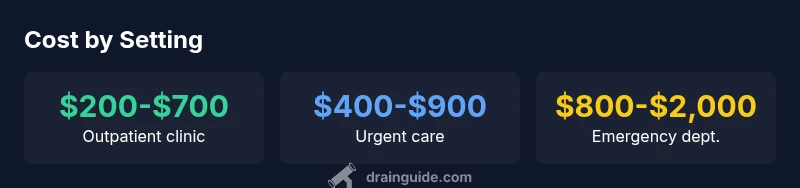
Where the drainage is performed has a predictable impact on price. A straightforward procedure in a low-cost outpatient clinic or primary care setting is typically the least expensive option. Urgent care centers often fall in between clinics and emergency departments, offering faster access but sometimes with higher base fees. The emergency department is the most expensive venue due to facility charges, potential imaging, and the possibility of extended observation or anesthesia. In some regions, hospital-based drainage can substantially raise the bill, especially if inpatient admission becomes necessary due to complications. These differences underscore the value of shopping around and understanding the specific components included in each quote. The same procedure can look very different on an itemized bill depending on the chosen setting.
Insurance and payment considerations
Insurance coverage for abscess drainage varies widely by plan, network status, and the presence of any imaging or anesthesia. Many plans cover medically necessary drainage, but the level of coverage and the out-of-pocket responsibility will depend on deductibles, co-pays, and whether the provider is in-network. Some facilities offer bundled pricing or price quotes that include the base procedure plus standard aftercare; others bill separately for imaging, anesthesia, and facility use. If you are uninsured or underinsured, reaching out to the billing office to explore payment plans or charity care programs can help. Always ask for an itemized estimate and confirm what is included in the quoted price to prevent surprise charges.
How to estimate costs before treatment
Preparation reduces financial stress. Before you consent to drainage, contact the clinic, urgent care, or ER to request a written, itemized estimate. Ask specifically which charges are included (procedure, facility, imaging, anesthesia, lab tests), and whether antibiotics or dressings are billed separately. Inquire about in-network status and potential discounts for paying upfront. If possible, compare at least two quotes, especially if your insurer provides multiple in-network options. If time allows, consider seeking a consultation with a clinic that can perform the drainage without unnecessary imaging or anesthesia, provided it is clinically appropriate. By collecting quotes and clarifying inclusions, you can plan more accurately and avoid overpaying.
Cost-saving strategies and questions to ask
Some practical steps can reduce costs without compromising care quality. Choose the least costly setting that meets clinical needs (clinic over ER, when appropriate). Request an estimate based on “drainage only” with no imaging if not clinically required, and ask if imaging can be deferred if the initial exam is clear. Confirm if wound culture is necessary and whether antibiotics are needed, and if they are, whether generics are an option. Enquire about payment plans, discounts for upfront payment, or financial assistance programs. Finally, document all communications and keep copies of every estimate and receipt for future reference or appeals.
Data-driven ranges and what they mean for you
Data from Drain Guide Analysis, 2026 shows that the overall cost range for abscess drainage spans a broad spectrum depending on setting and services. While the outpatient clinic pricing remains the lowest, the addition of imaging, anesthesia, or inpatient observation can push totals well into higher tiers. When interpreting quotes, treat each line item as a separate decision point: if imaging is included, ask whether it is necessary and whether a simpler assessment could be sufficient. Always verify your insurance plan’s terms for outpatient procedures and check the network status of your chosen provider. The goal is to understand the full cost picture so you can budget accurately and avoid surprises at the point of care.
Cost ranges by care setting for abscess drainage
| Setting | Typical Cost Range | Notes |
|---|---|---|
| Outpatient clinic | $200-$700 | Basic drainage without anesthesia |
| Urgent care | $400-$900 | Possible on-site antibiotics; imaging varies |
| Emergency department | $800-$2,000 | Facility charges, imaging, possible anesthesia |
| Hospital admission (complications) | $1,500-$4,000+ | Inpatient charges; may require surgery |
Got Questions?
How much does abscess drainage typically cost?
Costs vary by setting and services but generally fall within the ranges listed in this article. Always obtain a written estimate before consenting to treatment.
Costs vary by setting and services; get a written estimate before treatment.
Does insurance cover abscess drainage?
Most plans cover medically necessary drainage, but coverage depends on your plan, whether imaging or anesthesia is used, and in-network status.
Most plans cover medically necessary drainage, but it depends on your plan and network.
Is drainage done in the ER cheaper or more expensive than a clinic?
Drainage in the clinic is typically cheaper; the ER adds facility fees, tests, and possible observation that raise the total.
Clinics are usually cheaper than the ER.
What should I ask before the procedure to avoid surprise costs?
Request an itemized estimate, confirm imaging/anesthesia inclusions, and ask about follow-up costs.
Ask for an itemized estimate and what’s included.
Are there cheaper alternatives?
There may be cheaper options depending on abscess characteristics, but effectiveness depends on size and location.
There might be cheaper options, depending on the abscess.
“Costs for abscess drainage can be unpredictable; always confirm what’s included in the quoted price and compare quotes from different providers.”
The Essentials
- Expect wide price ranges based on setting and services.
- Ask for an itemized estimate before treatment.
- ER and inpatient care raise total costs significantly.
- Check insurance coverage and payment options upfront.
- Request bundled pricing where available to avoid surprises.