How to Drain an Intex Pool: Safe Step-by-Step Guide
Learn how to drain an Intex pool safely with a practical, step-by-step approach. This guide covers methods, safety, disposal, and post-drain care from Drain Guide.


You can safely drain an Intex pool by using a pump or siphon hose to move water to a suitable drain or yard area, while keeping the pool pump off and the water level below the skimmer. Choose a drain method that matches your pool size, and monitor the flow to avoid flooding or soil erosion.
Why Draining an Intex Pool Might Be Necessary
According to Drain Guide, draining an above-ground pool like an Intex often becomes necessary for seasonal storage, chemical balancing, or cleaning. Draining helps reset chemistry, prevent algae buildup, and makes repairs easier. Before you start, recognize that removing water too quickly can stress the liner or create ground erosion, so plan a controlled, gradual drain. This article explains common reasons to drain, such as end-of-season storage, persistent chemical imbalance, or after heavy rainfall. You’ll also learn the difference between partial drains and full drains, and how to tailor your approach to your climate, soil, and drainage options.
Safety First: Planning and Environment
Drain work should prioritize safety for people, pets, and property. Power off and unplug the pool pump before you begin, and never run electrical equipment near wet areas. Wear gloves and eye protection if you’re handling a chemical balance. Choose a discharge path that slopes away from foundations, walkways, and sensitive plants. In some regions, discharging pool water into storm drains or the landscape is regulated; check local codes before you proceed. Drain Guide’s guidance emphasizes pacing the drain and protecting your lawn from runoff and erosion.
Understand Your Pool Model and Drain Options
An Intex pool is typically an above-ground, ring-top structure. Most draining scenarios use one of three approaches: a pump discharge through a hose, a siphon hose that relies on gravity, or direct gravity drain where permitted. The right method depends on pool size, water pressure, hose length, and the drainage outlet you can access. If you’ve never drained an inflatable or frame pool before, start with the simplest, lowest-risk option and only move to more complex methods if needed. Always account for the location of the pump, hose, and outlet.
Tools and Materials You’ll Need
Gather items before you start to avoid mid-drain interruptions. Essential tools include a pump or siphon system, a discharge hose long enough to reach a safe area, a power source or battery pump, and something to shield the pool surface from direct sun exposure during the process. Optional items that help: a ground cloth or tarp to protect the surface, gloves for grip and safety, and a temporary valve or hose clamps for secure connections. Having these ready reduces downtime and keeps the flow steady.
Choosing the Right Drain Method for Your Situation
Pump drainage is fast and controllable but requires electricity and a suitable outlet. Siphon drainage uses gravity and can work without power, but it needs long, gravity-friendly hose routing and careful priming. Gravity drainage is the simplest option when terrain and codes permit, but it’s slowest and least flexible. Evaluate your space, drainage rules, and expected warm-season weather to decide which method balances speed, safety, and compliance.
Step‑By‑Step Drain Overview
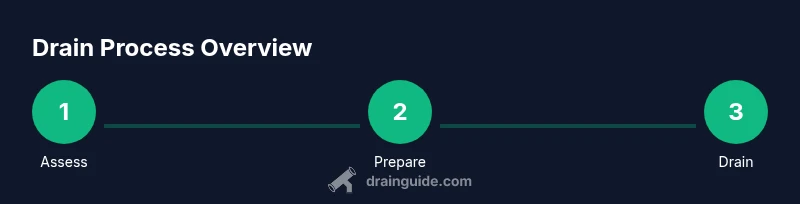
Think of draining as a three-part workflow: prepare and connect, initiate flow, and monitor until the target level is reached. Start by arranging hoses, securing connections, and ensuring the discharge path is clear. Next, start the pump or begin the siphon so water begins to move away from the pool. Finally, observe the flow, prevent splashing, and be prepared to pause if you notice leaks, kinks, or overflow at the discharge outlet.
Step‑By‑Step Drain Procedure: High‑Level Action Plan
- Set up your equipment in a dry area and confirm all connections are secure. 2) Prime the hose if you’re using a siphon to remove air and ensure steady flow. 3) Start draining gradually and monitor the discharge for kinks or leaks. 4) Stop when you reach a safe water level that won’t stress the liner or pump. 5) Detach and store equipment, keeping hoses elevated to avoid backflow.
Monitoring Flow and Stopping at the Right Level
Keep an eye on how fast water leaves the pool and adjust the valve or pump speed to prevent splashing and erosion. If the discharge area begins to pool or flood, slow the drain or pause until it recedes. For most Intex models, you’ll want to stop once the water level is low enough to allow safe cleaning and handling of the pool liner. Remember that overly rapid draining can stress seams, especially if the ground becomes saturated.
Disposal and Refilling: After the Drain
Check local rules about where you can discharge pool water; never pour directly into finished basements or indoor areas. If you’re rebalancing chemistry, test the water and adjust pH, alkalinity, and sanitizer once you refill gradually. Refilling should be done slowly to avoid shock to the liner and to allow time for the soil to absorb water. Once refilled, run the filter and rebalance chemistry per the manufacturer’s guidelines.
Troubleshooting Common Draining Issues
If your drain is slower than expected, confirm hose connections are secure and there’s no air in the line. Leaks around fittings or clamps can dramatically reduce flow, so tighten connections and replace damaged hoses as needed. If you hear air escaping, prime the line again and ensure the outlet has a clear path. For electrical safety, never operate the pump in wet conditions or with damaged cords.
Environmental Considerations and Local Rules
Many municipalities regulate how and where pool water can be discharged, especially if it contains chlorine or algaecides. Contact your local sanitation or public works department if you’re unsure. On lawns and gardens, allow the soil to absorb the runoff slowly and avoid finishing near foundations. Proper disposal protects plants, groundwater, and your neighbors.
Maintenance and Refilling: Getting Ready for Next Season
After draining, clean the pool walls and floor to remove mineral deposits, scale, and debris. Refill with clean water and re‑establish proper chemical balance before use. Regular maintenance after refilling—checking pH, sanitizer levels, and stabilizer is essential to keep your pool safe and enjoyable. Store hoses, clamps, and pumps correctly so you’re ready for your next draining or seasonal storage.
Tools & Materials
- submersible pump(Choose a pump with sufficient flow for your pool size.)
- discharge hose(Long enough to reach a safe drainage area; secure with clamps.)
- siphon kit (optional)(Use if you’re relying on gravity rather than a powered pump.)
- ground cloth or tarp(Protect the pool surface and protect the work area.)
- gloves and safety glasses(Wear PPE when handling chemicals or moving water.)
- hose clamps or tape(Ensure leak-free connections.)
Steps
Estimated time: 60-120 minutes
- 1
Prepare area and gather tools
Clear the draining path, lay protective coverings, and verify you have all required tools within reach before starting.
Tip: This minimizes interruptions and allows for a smoother workflow. - 2
Power down the pump and disconnect
Turn off the pool pump and unplug it from the power source to avoid electrical hazards during drainage.
Tip: Always dry hands before touching electrical components. - 3
Attach discharge hose securely
Connect the hose to the pump outlet or to a siphon kit, ensuring a tight seal to prevent leaks.
Tip: Double-check clamps and fittings before starting. - 4
Choose a safe drainage path
Place the hose outlet in a location that slopes away from foundations, walkways, and plants.
Tip: Avoid areas prone to flooding or erosion. - 5
Prime the line (if siphoning)
Fill the hose with water to remove air and establish a steady initial flow.
Tip: A quick start reduces air blocks and delay. - 6
Initiate flow gradually
Start the pump or begin the siphon and allow water to begin moving away from the pool.
Tip: Monitor for kinks, leaks, or blockages from the outset. - 7
Monitor flow and adjust
Keep an eye on the discharge rate and adjust valve speed to prevent splashing or overflow.
Tip: If the ground or discharge area shows signs of pooling, slow the flow. - 8
Stop at a safe level
Drain until the water level is low enough for handling and maintenance without stressing the liner or equipment.
Tip: Do not force the system to drain all water if the area is unstable. - 9
Disconnect and secure hoses
Power down, unplug, detach hoses, and coil them neatly to avoid tripping hazards.
Tip: Never leave hoses loose where people walk. - 10
Inspect and clean the pool
Wipe down walls, check for damage, and prepare for refilling.
Tip: Address any tears or cracks before refilling. - 11
Begin refilling slowly
Start refilling with clean water and monitor for any irregularities in flow or temperature.
Tip: A gradual refill helps prevent liner shock. - 12
Rebalance chemicals after refill
Test water and restore proper pH, alkalinity, and sanitizer levels to safe ranges.
Tip: Follow manufacturer guidelines for chemical dosing.
Got Questions?
Do I need to drain the pool completely?
Not always. For many maintenance tasks you can drain partially to perform cleaning or chemical balancing. Complete drainage is only necessary for winter storage or significant liner replacement. Always assess your pool size and local guidelines before draining fully.
You don’t always need to drain the entire pool; partial draining often suffices for maintenance. Check your pool size and local rules before you drain completely.
Can I drain into the yard or storm drain?
Discharging into a yard or storm drain depends on local regulations. In many places, outdoor drainage is allowed if it drains away from foundations and sensitive areas. Always verify rules with your local authority before draining.
Check your local rules first—the right place to drain depends on your area. If allowed, ensure the water drains away from foundations and plants.
What about chemical balance after draining?
Water chemistry can shift during drainage. After refilling, retest pH, alkalinity, and sanitizer levels and rebalance as needed using the pool manufacturer’s guidelines.
Recheck chemistry after you refill and rebalance to keep the pool safe for use.
How long does draining usually take?
Drain time varies with pump power and pool size. It’s best to plan for a drain window and monitor progress rather than rely on a fixed timespan.
Drain times vary; plan for a window and monitor the rate to avoid surprises.
What if I don’t have a discharge pump?
A siphon with a hose can work if you have an accessible downhill discharge. Without gravity assistance or a pump, drainage becomes slower and more labor-intensive.
If you don’t have a pump, you can try a gravity-fed siphon, but it will take longer.
Watch Video
The Essentials
- Shut off the pump and secure connections before draining
- Choose a safe, compliant discharge path
- Stop draining at a practical level to protect the liner
- Rebalance chemicals after refilling for safe swimming