How to Drain a Clogged Toilet: Step-by-Step Guide
Learn safe, chemical-free methods to drain a clogged toilet. This Drain Guide tutorial covers plungers, augers, safety tips, and prevention to keep drains flowing smoothly.


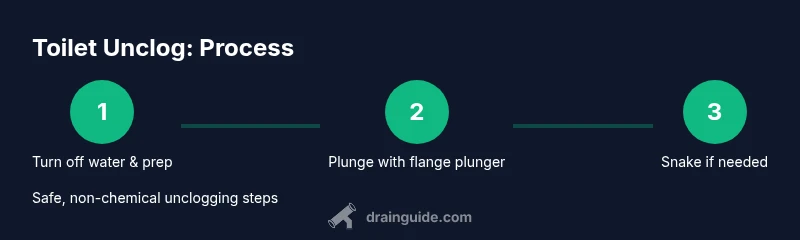
To drain a clogged toilet, start by stopping the water and removing excess liquid, then attempt a few hands-on methods: use a flange plunger, try a toilet auger (snake) to reach the blockage, and apply gentle plunging to clear the jam. If these fail, avoid harsh chemicals and call a plumber.
Understanding Why Toilets Clog
According to Drain Guide, toilet clogs usually start as a partial obstruction that grows as waste, paper, and debris accumulate. Common culprits include excessive toilet paper, wipes marketed as flushable, and small objects inadvertently dropped into the bowl. In many homes, a jam forms gradually, reducing water flow with each flush. A clear picture of the problem helps you pick the right technique without forcing water or damaging the toilet.
Distinguish a partial clog from a full blockage. A partial clog leaves water near the rim and drains slowly; a full blockage stops drainage altogether, and flushing worsens the situation. The aim is to restore normal flow while protecting the bowl seal and the waste line. With patience and the right approach, you can clear most clogs using mechanical methods and safe, nonchemical techniques. Prevention matters too: avoid flushing items that aren’t toilet paper, consider a dedicated container for personal hygiene products, and address repeated clogs promptly with professional help when needed.
Understanding the mechanics of your toilet helps you apply the correct method. Toilets rely on gravity and a trap to keep sewer gases out. When the trap is compromised by a jam, water can back up. Addressing the cause early reduces overflow risk and saves time and stress later.
Safety First: Prep and Protective Gear
Before you touch the plumbing, set safety as a priority. Turn off the toilet’s water supply at the shutoff valve to prevent continued filling. If your valve is stiff, use a wrench gently but avoid forcing it. Put on rubber gloves and eye protection; old clothes or a dedicated apron helps prevent stains. Clear the area of children and pets, and lay down towels or an absorbent mat around the base to catch splashes. If you notice a strong sewage odor, increase ventilation by opening a door or window and consider turning on a bathroom fan. Finally, have a small bucket and sponge ready for quick water removal. A clean, well-lit workspace reduces mistakes and makes the job safer and more comfortable.
Plunger Types and Proper Use
Two common plunger types work for toilets: a flange (or comet) plunger and a general cup plunger. The flange model provides the best seal for most toilets. Start by filling the bowl with enough water to cover the plunger cup. Place the flange inside the drain opening and press down to seal. Use long, straight plunging strokes, keeping the seal intact and avoiding side-to-side rocking. Pause occasionally to gauge whether water is draining. If you see progress (water level dropping), continue with measured strokes. If the water level remains high or rises, stop, recheck seal fit, and adjust your angle. Do not slam the plunger—forceful pumping can cause overflow and splashback. After several cycles, test flush to determine if the clog is clearing.
Using a Toilet Auger (Snake) Correctly
A toilet auger is a flexible rod with a bend and a tip designed to reach blockages beyond the trap. Insert the auger head into the bowl, keeping the handle above water level. Gently push while rotating the auger to help it move around bends. When you feel resistance, rotate and apply gentle pressure; don’t force the tool. If you break through the blockage, withdraw slowly to pull debris away from the trap. Clean the auger head before storing it. After using the auger, flush a small amount of water to test whether flow has resumed. If the water still won’t drain, you may need to repeat the process or move to a mechanical cleaning approach.
Safe Cleaning Alternatives and When Not to Use Chemicals
Chemical drain cleaners are generally not recommended for toilets because they can damage porcelain, soften seals, and create dangerous reactions when mixed with other cleaners. Safer options include mechanical methods (plunger and auger) and natural helpers like baking soda with hot water. Start by pouring a cup of baking soda into the bowl, followed by hot—not boiling—water to avoid cracking the porcelain. Let it sit for 15–30 minutes, then attempt a gentle flush. Enzymatic cleaners designed for septic systems can be used occasionally as a preventative method, but they do not substitute for mechanical clearing when a clog is present. If you choose to use any cleaner, read and follow the product instructions precisely and never mix products.
When to Escalate: Professional Help
If plunging or snaking does not restore drainage after multiple attempts, or if you repeatedly encounter clogs in the same toilet, it’s wise to call a licensed plumber. Signs that you should escalate include frequent overflows, sewer gas, or water backing up into other drains in the home. A professional will assess the venting, check for a possible sewer line obstruction, and determine whether the issue is within the trap or the main line. Early professional help can prevent water damage and costly repairs, especially in older homes with aging plumbing.
Maintenance to Prevent Future Clogs
Prevention is simpler than remediation. Drain Guide recommends simple habits to keep toilets flowing. Use only the amount of toilet paper you actually need, and avoid flushing items like wipes, cotton swabs, feminine hygiene products, or dental floss. Consider installing a small trash container in the bathroom for non-flushables and routinely inspect the toilet’s flush mechanism to ensure it’s not over-hydrating the bowl. Periodic tank cleaning and a quick monthly flush of hot water can help clear minor buildup. If you have a family with children, educate household members on what should and should not be flushed. Regular maintenance reduces the likelihood of severe clogs and gives you peace of mind.
Quick Troubleshooting Checklist
If you’re unsure where the clog is, start with the most accessible method. Check for wet areas around the base, water level in the bowl, and the sound of water entering the bowl. Ensure the water supply valve is fully closed if you’re not ready to plunge. Keep a flashlight handy to inspect the rim and trap region visually. After attempting plunging and snaking, test flushes with small, measured doses of water to observe any improvement. If you notice unusual odors, slow draining from other fixtures, or persistent backflow, stop and call a professional. A proactive checklist can minimize confusion and guide you through the most effective steps.
Common Pitfalls and How to Avoid Them
Avoid using excessive force with plungers, which can crack the porcelain or bend the plunger. Don’t pour boiling water into a toilet; extreme temperature changes can crack the ceramic. Never mix chemical cleaners with other products, as caustic gases and reactions can form. Finally, don’t ignore recurring clogs; repeated issues may signal a larger plumbing problem that requires expert evaluation.
Tools & Materials
- Flange toilet plunger(Ensure it fits standard toilets; seal should cover the drain opening.)
- Rubber gloves(Protect hands from waste and cleaning agents.)
- Bucket or shallow container(For collecting water and splash control.)
- Toilet auger (plumbing snake)(Choose a model with a flexible, resistant tip.)
- Old towels or rags(Place around the base to catch spills.)
- Sponge or extra towels(For soaking stray water after removal.)
- Flashlight(Better visibility in dim bathrooms.)
- Baking soda or enzymatic cleaner (optional)(Safe cleaning alternatives after clearing the clog.)
Steps
Estimated time: 30-60 minutes
- 1
Turn off water and prep
Locate the shutoff valve and turn it clockwise until it stops. Flush once to drain remaining water, then soak up any standing water with a sponge. This minimizes splash and gives you a clean working area.
Tip: A dry area makes it easier to see progress and reduces mess. - 2
Seal and position the plunger
Fill the bowl with enough water to cover the plunger cup. Place the flange inside the drain opening and press firmly to create a seal. Keep your wrist firm and avoid twisting the plunger out of the seal.
Tip: A good seal is 70-80% of the battle—without it, suction is lost. - 3
Plunge with controlled strokes
Use smooth, vertical strokes—not jerky thrusts—keeping the seal intact. Alternate between 10-15 full strokes and brief pauses to observe water movement. If water begins to drop, continue until the clog loosens.
Tip: Consistency beats force; long, steady strokes work best. - 4
Try the toilet auger if plunging fails
Insert the auger into the bowl and rotate the handle while applying gentle pressure. When you reach resistance, twist and push slightly to navigate the bend. Retrieve the head slowly to bring debris with you.
Tip: Never force the auger; forcing can damage porcelain and the trap. - 5
Flush test and repeat if needed
Lightly reintroduce water and attempt a flush. If the water drains gradually, repeat the plunge or auger as needed. Stop if you hear gurgling or see backflow—this indicates a larger blockage.
Tip: A staged flush prevents overflow and helps you gauge progress. - 6
Clean up and sanitize
Disinfect all tools and the surrounding area. Rinse towels and gloves in hot water, then air dry. Store equipment properly for next use.
Tip: Sanitation reduces odors and protects future users.
Got Questions?
What should I do first when my toilet is clogged?
Begin by turning off the water and removing excess liquid from the bowl. Then try a flange plunger and, if needed, a toilet auger. Avoid chemical cleaners and assess progress after a few attempts.
Turn off the water, remove excess liquid, then try plunging or snaking. Avoid chemicals and check progress after a few attempts.
Is it safe to use a plunger on a clogged toilet?
Yes, a flange plunger used correctly is safe for toilets. Ensure a good seal and use steady strokes to avoid splashing or overflow.
Yes, use a flange plunger with steady strokes and a good seal to prevent splashing.
Can a toilet auger damage the toilet?
If used carefully and correctly, a toilet auger is safe. Avoid forcing the head through resistance and stop if you meet a hard blockage.
Used gently and correctly, the auger is safe; don’t force it through resistance.
Should I use chemical drain cleaners?
Chemical cleaners are generally not recommended for toilets; they can damage porcelain and septic systems. Use mechanical methods instead.
Usually not recommended—stick to plunging and snaking.
What if the toilet still won’t drain after plunging and snaking?
If multiple attempts fail, there may be a deeper blockage or vent issue. Stop and call a licensed plumber to inspect the line.
If it still won’t drain after several attempts, call a plumber.
How can I prevent toilet clogs in the future?
Flush only toilet paper and human waste. Keep wipes and other items out of the bowl, and consider a trash bin for non-flushables. Regular maintenance helps.
Flush only toilet paper and waste; use a trash bin for other items.
Watch Video
The Essentials
- Identify whether it’s a partial clog or full blockage before acting.
- Start with safety: shut off water, protect yourself, and prepare the area.
- Prioritize mechanical methods (plunger, auger) over harsh chemicals.
- Don’t force tools; if resistance persists, call a professional.
- Prevent future clogs with simple, consistent maintenance.