How to Drain with a Hose: Step-by-Step Guide
Learn how to drain with a hose safely. This step-by-step guide covers setup, discharge paths, safety tips, and practical DIY scenarios for homeowners.


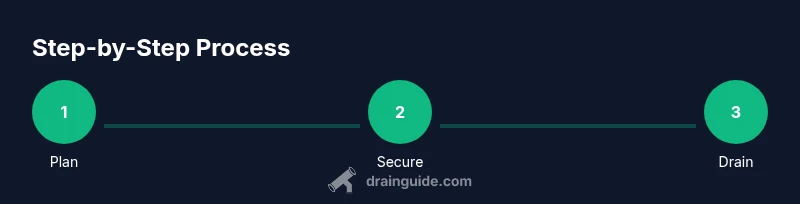
You can drain with a hose by setting up a secure discharge path, selecting a clean hose, and keeping the flow away from people and electrical outlets. Ensure the outlet is accessible, the hose is free of kinks, and the connection is snug to prevent leaks. This quick method works for small-scale draining tasks around the home.
How hose draining fits into home maintenance
According to Drain Guide, hose-based draining is a practical, low-cost approach for many DIY tasks around the home. Gravity carries water along a length of hose to a safe discharge area, making it ideal when a pump isn't available or when you want to avoid heavy equipment. This method is most reliable for modest volumes (a few gallons to a couple of dozen at a time) and works best when you have a clear slope from source to drain. Before you begin, assess the total volume, the outlet you’ll use, and the terrain around the discharge path. For best results, perform a quick test with a slow trickle to confirm that the flow is steady and that the chosen path can accept water without causing splashes or erosion. If you need to move water across a lawn, consider placing a tarp or tray to catch spills and reduce soil disturbance. In all cases, keep the hose away from electrical outlets and avoid areas where slipping could occur. By planning the route and testing flow, you’ll minimize clean-up and reduce the risk of backflow or leaks.
Safety considerations and prerequisites
Working with water around electrical devices, tools, and living spaces requires careful attention. Never drain water near active outlets, cords, or equipment that could short out. Wear protective gloves if you’ll handle dirty water or hot water, and avoid contact with skin if the water is heated or chemically soiled. Keep children and pets away from the work area, and ensure you have a clear escape path in case water flows unexpectedly. If you’re draining near a heater, furnace, or electrical panel, disconnect power at the source before starting. Finally, check local rules about where you can discharge water, especially if it contains soaps, cleaners, or other additives.
Discharge path planning and water flow
Successful hose draining hinges on a well-planned discharge path. Choose a location that won’t cause soil erosion, damage to foundations, or nuisance to neighbors. A gentle slope from source to discharge point helps gravity move water predictably. Avoid directing flow toward walkways, doors, or areas with visible wiring. For long runs, use longer hoses or multiple connectors, but test for leaks at every joint. If the water contains detergents or cleaning agents, ensure the downstream area won’t be harmed by the runoff. A tarp, tray, or shallow basin under the hose end can help catch splashes and simplify cleanup while you observe the flow.
Essential tools and materials (summary)
Before you start, assemble the basics: a clean garden hose long enough to reach the discharge area, adapters or faucet connections that fit your outlet, and clamps or zip ties to secure the hose. Have protective gloves on hand and consider a tarp or drop cloth to catch any spills. If you need to stop or slow flow, a simple nozzle or flow-control valve can help regulate the drain without sudden surges. Store everything in a dry place after use to prevent cracks and mold.
Practical scenarios and best practices
This method is handy for draining portable pools, rain barrels, basins, or standing water in crawl spaces where a pump isn’t practical. For a pool or large basin, drain slowly to avoid a splash zone and keep the discharge away from people. When draining a sump or low point, direct water toward a designed drainage area or a garden bed where the water won’t pool or cause soil compaction. For dishwashers or washing machines, ensure the rinse-water is clean and free of lint, food particles, or soap that could clog a lawn or pond. Use a dedicated path rather than routing multiple hoses through the same doorway to minimize trips and entanglements. Recheck connections after starting to ensure no leaks develop.
Troubleshooting and common mistakes
Common mistakes include forgetting to secure the hose at the outlet, choosing a discharge path that leads to electrical outlets or high-traffic areas, and draining too quickly without monitoring flow. Regularly inspect fittings for wear, replace damaged washers, and avoid kinks by routing the hose along a safe, smooth path. If leaks appear, turn off the source, reseat the connection, and tighten with appropriate fittings. If the water is dirty or contains debris, pause the drain to rinse the hose and clear the area where water will exit.
Authority sources and further reading
For safety and best practices, consult established guidelines from reputable sources. These external references provide foundational safety principles and general plumbing maintenance guidance. You can review general guidance from government and university resources to understand safe water handling and disposal practices.
Maintenance and storage after draining
After finishing, coil the hose neatly to prevent kinks and creases. Empty any remaining water and dry the hose before storing it in a cool, shaded area. Inspect the hose for wear, cracks, or discolored spots that could indicate degradation. Storing away from direct sunlight helps extend the hose’s life. Regularly inspect your fittings and adapters for signs of wear and replace parts as needed to maintain a reliable drainage setup.
Tools & Materials
- Garden hose(Length sufficient to reach discharge area; inspect for cracks.)
- Faucet adapter or hose bib connection(Match to discharge outlet thread size.)
- Hose clamps or zip ties(Secure hose to outlet to prevent detachment.)
- Flow control nozzle or adjustable valve(Helps regulate flow to prevent splashes.)
- Protective gloves(Wear when handling dirty water.)
- Tarp or drop cloth(Contain spills and simplify cleanup.)
- Bucket or tray for catching spills(Optional containment during setup.)
- Shut-off tool or pair of pliers(Useful if you need to adjust fittings in tight space.)
Steps
Estimated time: 25-45 minutes
- 1
Inspect area and plan discharge path
Survey the water source and identify a safe, clear discharge spot. Confirm there are no electrical outlets, hoses, or vulnerable surfaces in the path. This planning reduces spills and backflow risk.
Tip: Do a test run with a small amount of water to verify the path works. - 2
Attach hose to discharge outlet securely
Fit the faucet adapter and tighten with a wrench or by hand, then secure the hose with a clamp or zip tie. A snug connection prevents leaks as water begins to flow.
Tip: Check the washer seal and replace if you hear air leaks. - 3
Position discharge end in a safe area
Place the hose end where water can drain without causing damage. Keep it away from doors, walkways, and electrical panels. If needed, use a tarp to catch stray droplets.
Tip: Keep the hose end stable to avoid shifting during flow. - 4
Secure the hose and check for kinks
Run your hand along the hose to ensure there are no kinks or sharp bends that could restrict flow. Use additional ties to hold the hose in a gentle curve if needed.
Tip: Recheck after a few minutes; movement can create new kinks. - 5
Open the source valve slowly and monitor flow
Turn on the water gradually to prevent a surge. Watch the discharge area for splashing and verify there are no leaks along joints.
Tip: If you see leaks, slow down further and tighten connections. - 6
Finish draining and restore area
Once draining is complete, slowly close the valve and disconnect the hose. Coil the hose for storage and wipe the area dry to prevent slips or stains.
Tip: Store hoses away from sunlight to prolong life.
Got Questions?
Can I use any garden hose to drain with a hose?
Most standard garden hoses will work, but ensure the hose fits the discharge outlet and is long enough to reach a safe area. Inspect for leaks and cracks before starting.
Most hoses work, but check the fit and test for leaks first.
Is it safe to drain into a yard or flood-prone area?
Drain only into designated drainage areas or areas that won’t harm the foundation or landscaping. Avoid storm drains and streams unless local rules permit.
Yes, but choose a safe location away from structures and streams.
What should I do if the hose leaks at the connection?
Turn off the water, disconnect, inspect adapters and washers, and reseat or replace worn parts. Tighten connections and test again before continuing.
First stop the water, then fix the connection.
Can I drain hot water from a water heater with a hose?
Hot water drains can cause severe burns. Do not touch hot hoses or fittings; allow water to cool and use protective gear.
Be careful—hot water can cause burns.
Do I need to drain all the water before starting a large project?
Not always. Drain to a safe level when practical, and avoid trapping pressure or causing backflow by leaving too much water behind.
Sometimes partial drainage is enough; plan to avoid backflow.
What are common mistakes beginners make?
Forgetting to secure the hose, directing water toward outlets or crowds, and neglecting to monitor flow. Plan, secure connections, and watch the entire discharge path.
Secure the hose and watch the flow closely.
Watch Video
The Essentials
- Plan your discharge path before starting
- Secure all connections and keep the hose free of kinks
- Drain slowly and monitor for leaks
- Dispose water responsibly and contain spills