How to Flush with Water: Safe DIY Drain Clearing
Learn how to flush drains with water safely to move minor clogs in sinks, bathtubs, and toilets. Step-by-step techniques, safety tips, and when to call a pro in Drain Guide's practical DIY drain guide.


Learn how to flush drains with water safely to move minor clogs and clear blockages in sinks, bathtubs, and toilets. This method relies on controlled water flow, proper containers, and basic tools. Before you start, identify the drain type, ensure access, and avoid mixing harsh chemical cleaners with hot water to prevent damage to plumbing in your home today.
Understanding what flushing with water can and can't do
Flushing with water uses gravity and a measured stream to move loose debris toward the trap and out through the drain. It can be effective for partial blockages composed of hair, soap scum, grease, and food particles, especially when the clog is recent or not dense. However, this method is not a universal cure. Solid objects, formed grease clogs, tree roots, or deeply set blockages often require mechanical cleaning or professional service. Before you attempt a flush, identify the drain and check for standing water; a clogged sewer line or backed-up main can create backups that make a simple flush unsafe. If you hear gurgling in other fixtures or see water rising, stop and seek professional help. When you do try flushing, start with a small amount of water and observe the flow; if resistance is felt or water backs up, discontinue and switch to alternatives.
Situations where a water flush is a good first step
A water flush is often a sensible first move for minor clogs in common household drains. For sinks and showers, partial blockages caused by hair, soap scum, or food particles can respond well to a slow, controlled flush. In bathrooms, a toilet can benefit from a carefully measured flush if the clog is not complete, but never force large volumes if you sense strong resistance. In laundry areas or kitchen sinks, a flush can help move loose debris through a trap once the trap is accessible and safe to reach. Always verify that the drain you’re flushing feeds into a standard sewer line rather than a sealed, backflow-prone system. If multiple drains are slow or back up together, the problem may be more extensive and require professional assessment.
Safety and limitations you should know
Water flushing is a low-risk technique when done with care, but it isn’t a substitute for proper plumbing diagnostics. Do not mix chemical cleaners with hot water, and never flush with water if you suspect a sewer backup. Use protective gloves and eye protection, and keep children and pets away from the work area. If you notice standing water not clearing, strong odors, or sewage backing up, stop immediately and call a licensed plumber. These signs point to a more serious problem that requires expert intervention. With the right precautions, water flushing can be a safe, economical first step for mild, finite clogs.
Practical workflows and scenarios
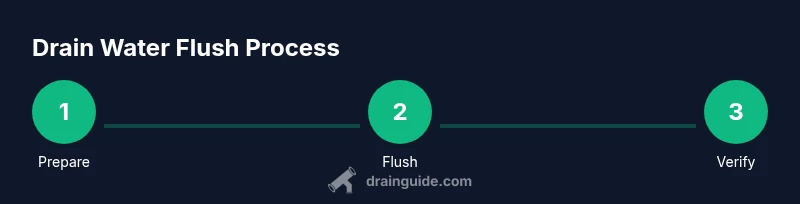
In standard households, you’ll encounter many drainer problems that respond well to water flushes when performed methodically. Hair in bathroom sinks, scraps in kitchen drains, and light grease in laundry sinks are common culprits. Assess the drain access, prepare the area, and then start with small quantities of water. As water begins to move the debris, observe the flow closely and adjust your technique accordingly. If the flush appears to make progress, you can repeat it in short intervals rather than dumping large volumes all at once. Always end with a final rinse to verify that the flow stays clear and to remove residual debris.
noteInlineParagraphsOnly():null}
toolsMaterialsSectionImplemented":null,
Tools & Materials
- Water source (tap water)(Ensure a steady, moderate flow; avoid scorching or freezing water.)
- Bucket or large container(Capacity 2-4 liters or more for easy water transport.)
- Sturdy pitcher/jug(For controlled, targeted pours into the drain.)
- Rubber gloves(Protect hands from splashes and keep things clean.)
- Towel or rag(Protect floor and catch splashes.)
- Safety glasses(Eye protection if splashing is a concern.)
- Flashlight(Inspect the drain area and access points.)
Steps
Estimated time: 20-30 minutes
- 1
Identify drain access and clear the area
Locate the drain you’ll work on and remove any objects or standing items around the area. Clear the space so you can work safely and monitor water flow without obstructions.
Tip: Take a quick photo of the setup before you begin so you can reference it later if needed. - 2
Set up containment and safety
Place a towel on the floor to catch splashes and position the bucket to catch overflow. Put on gloves and, if desired, safety glasses to protect your eyes from splashes.
Tip: Have a second person hold the towel so you can focus on the drain flow. - 3
Pour water in controlled bursts
Begin with a measured pour using the pitcher to introduce water gradually into the drain. Observe the flow and stop if you feel resistance or hear a change in pitch indicating a clog.
Tip: Consistency matters more than volume—steady pours often move debris more effectively. - 4
Pause and evaluate the results
Give the water a moment to travel through the trap and pipes. If you notice slow drainage or continued resistance, pause and reassess before continuing.
Tip: Do not force additional water if the flow remains blocked; move to a gentler retry or alternate method. - 5
Increase water volume if progress is visible
If the drain shows signs of clearing, you can repeat with slightly larger pours, still avoiding a rush of water that could splash back.
Tip: Limit to short bursts rather than one long rush to control the pressure. - 6
Test the drain and clean up
Run water continuously for 15-30 seconds to confirm the drain remains clear. Wipe down surfaces, remove tools, and store them for next time.
Tip: Document anything you learned for future maintenance.
Got Questions?
Is flushing with water safe for PVC pipes?
Yes, flushing with water is generally safe for PVC pipes when you use lukewarm or room-temperature water and avoid forcing high pressure. Do not apply boiling water, and stop if you notice swelling or leaks.
Flushing with water is usually safe for PVC, but avoid boiling water and watch for leaks.
Can I flush with water if the clog is complete?
A complete clog often requires mechanical cleaning tools or professional help. Do not force water through a blocked pipe, as it can push material back or cause leaks.
If the clog is complete, don’t force water—consider a plunger or call a pro.
Should I use a plunger before flushing with water?
In many cases, using a plunger to loosen the clog before a water flush yields better results. If plunger gaps are wide and water flows, a light flush may help after gentle plunging.
Try plunging first to loosen the clog, then flush with water if the flow improves.
What should I do if water backs up after a flush?
Backups after flushing indicate a stronger clog or a sewer line issue. Stop flushing, check other fixtures, and consider calling a plumber.
If water backs up, stop flushing and call a plumber if the problem continues.
How often can I flush drains with water safely?
Flushes should be occasional and limited to minor, partial clogs. Repeated flushing may indicate a deeper problem that requires professional assessment.
Use flushing as a one-off method when needed, not as a routine fix.
Watch Video
The Essentials
- Assess drain type and safety before flushing
- Use controlled water flow and containment
- Stop if you encounter resistance or backup
- Know when to seek professional help