How to Replace a Bathroom Drain: A DIY Guide
Learn how to replace a bathroom drain safely and effectively with our step-by-step guide. Gather essential tools, follow proper sealing methods, and test for leaks to ensure a long-lasting, clog-free drain.


You can replace a bathroom drain by following a step-by-step process that covers safety, removal of the old unit, installing a compatible replacement, and testing for leaks. Gather essential tools, shut off water, and work carefully to avoid damage to the trap and pipes. This guide focuses on standard tub/shower drains and applicable kits.
Why replacing a bathroom drain matters
Replacing a bathroom drain is a practical, homeowner-friendly project when you have the right plan and the proper parts. According to Drain Guide, replacing a worn flange, gasket, or trap is a proactive way to stop leaks, reduce odor, and prevent clogs from recurring. If you notice persistent water pooling, gurgling sounds, or a musty smell near the drain, a replacement is often the most reliable fix. A well-installed drain minimizes sewer gas entry and helps your bathroom stay dry and sanitary. This section explores the why—not just the how—so you understand the value of doing it right the first time. When you choose a compatible drain kit, you’ll avoid common compatibility issues that lead to leaks down the road.
As you plan, keep in mind that the installation must be tailored to your fixture type (tub, shower, or sink) and the pipe diameter. Drain Guide analysis shows that most maintenance calls happen when parts don’t seat properly or when sealants are absent or incorrectly applied. Prepare to invest in the right tools and a good sealant or gasket so your drain remains leak-free for years to come.
Choosing the right replacement drain kit
Choosing the right replacement drain kit is about compatibility and material. Drains come in plastic (PVC/ABS), brass, and occasionally stainless steel. For most residential baths, you’ll encounter drains sized to standard traps (commonly 1-1/2 inch or 1-1/4 inch). A quality kit should include the flange, gasket or plumber’s putty, slip nuts, washers, and the drain body. If you’re replacing a corroded or cracked drain, prefer a kit with corrosion-resistant materials. Drain Guide emphasizes matching the new drain to your existing tailpiece and trap dimensions to avoid misfits and leaks. Consider whether you need a friction-fit or threaded connection, and ensure you have compatible sealants (plumber’s putty or silicone) for a reliable seal.
If your bathroom has a vanity or restricted access, you’ll want a kit with a compact flange and an accessible gasket area. Always verify dimensions before purchasing to prevent ordering a drain that won’t seal properly or fit the trap arm. By choosing a kit that includes all required parts, you reduce the risk of mid-project trips to the hardware store and ensure a smoother workflow.
Drain Guide analysis shows that wrong sizing or missing gaskets is a leading cause of leaks after replacement. Start with a measurement of the current drain opening and check the trap size so you pick a kit with the correct flange diameter and tailpiece length.
Understanding the drain assembly components
A bathroom drain consists of several interlocking parts. The flange sits flush with the drain opening on the surface; below it, the drain body connects to the tailpiece and seals with a gasket. Slip nuts and washers secure the connection to the P-trap and wall pipe. The P-trap holds water to block sewer gases while allowing drainage. The trap arm connects to the wall drain, and properly sealing this junction prevents leaks. When replacing, inspect the flange seating surface for nicks or cracks and replace any corroded hardware. If you reuse a portion of the old assembly, ensure it is clean and undamaged. Keeping these components organized helps you assemble the new drain correctly on the first try.
Safety precautions before you begin
Safety should come first. Shut off the home’s water supply to the bathroom fixtures you’ll be working on and drain any residual water from the line. Wear eye protection and gloves to protect against sharp edges and debris. Work in a well-lit, dry area and keep children and pets away from the workspace. If there’s hidden moisture behind the wall or under the vanity, consider inspecting for mold and addressing it before continuing. Have a bucket and towels ready to catch water as you disconnect the old drain. By planning a safe workflow, you reduce the risk of unexpected water damage and personal injury.
Step-by-step overview of the removal process
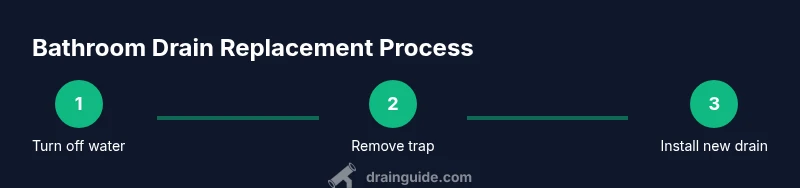
Before starting the installation, take a moment to map out your steps and keep your parts within reach. This section provides a high-level view of the removal and replacement sequence to help you stay organized and avoid rework. Start by releasing any trapped water, then remove the P-trap to access the drain’s underside. Inspect the surface around the drain for damage and ensure you have a clean, dry mounting plane for the new drain. Finally, verify all components are on hand before committing to assembly to prevent a half-finished job.
Installing the new drain: alignment and sealing
Align the new drain flange with the drain opening and ensure the gasket sits flat against the mounting surface. Hand-tighten the slip nuts and washers first to establish a snug fit, then finish with a wrench if needed—being careful not to overtighten. Apply plumber’s putty or silicone sealant as required by your kit to create a watertight seal between the flange and the bath surface. Reconnect the drain body to the trap assembly, ensuring a smooth flow path for water into the P-trap. Proper alignment reduces the chance of leaks and ensures efficient drainage.
Testing and troubleshooting leaks
Once the drain is reassembled, slowly run water to test for leaks around both the flange and the trap connections. Look for any damp spots or drips from slip nuts or the gasket area. If you notice a leak, tighten the connection a touch more or reapply sealant as needed. If you detect an odor or slow drainage, re-inspect the trap and ensure the connection to the wall is airtight. Document any issues so you can address them quickly.” ,
Tools & Materials
- Safety glasses(Protect eyes from debris and splashes)
- Work gloves(Grip and protect hands during removal and installation)
- Bucket(Catch water and keep the workspace dry)
- Old towels or rags(Absorb spills and keep surface clean)
- Channel-lock pliers or adjustable pliers(Loosen and tighten slip nuts and fittings)
- Screwdrivers (flathead and Phillips)(Remove screws or hardware if present)
- Drain replacement kit (new flange, gasket, drain body, slip nuts, washers)(Match to existing drain size and trap)
- Plumber’s putty or silicone sealant(Create a watertight seal where required by the kit)
- Teflon tape (PTFE)(Seal threaded connections and prevent leaks)
- Flashlight/phone light(Inspect dark corners under vanity or behind walls)
Steps
Estimated time: Total time: 60-120 minutes
- 1
Shut off water and prepare workspace
Turn off both hot and cold water supplies to the bathroom and relieve any residual pressure by running the closest faucet briefly. Clear the area under the sink or behind the vanity so you have room to work. Place towels and a bucket in position to catch drips and protect surrounding surfaces.
Tip: Label shut-off valves if you share fixtures with other parts of the home to avoid accidental re-opening. - 2
Place a bucket and remove the P-trap
Place a bucket under the drain area and carefully loosen the slip nuts on the P-trap with pliers. Remove the trap and set it aside for cleaning. This exposes the drain flange and makes it easier to access the old drain components.
Tip: Keep the trap pieces in a labeled bag for easy reassembly if you plan to reuse any parts. - 3
Loosen and remove the old drain flange and gasket
From above, use the appropriate tool to loosen the flange screws or nut and lift the old drain assembly out. Remove the gasket and clean any residue from the mounting surface. Check for damage to the sink or tub surface around the opening.
Tip: Do not force parts; if something sticks, apply a little penetrating lubricant and wait before continuing. - 4
Clean the mounting surface
Scrub the drain opening area with a mild cleaner to remove soap scum and mineral deposits. Dry the surface completely to ensure a proper seal for the new gasket or putty. Inspect for nicks or gouges that could compromise the seal.
Tip: A clean, dry surface is essential for long-lasting seals. - 5
Install the new drain body and gasket
Place the new gasket or plumber’s putty around the flange as required by your kit. Insert the new drain body through the opening and loosely secure with the nuts or flange as per the kit’s instructions. Verify that the drain sits flush and is level.
Tip: Hand-tighten first to avoid cross-threading, then snug with a wrench—no overtightening. - 6
Reconnect the trap and pipes
Reassemble the P-trap and reconnect to the drain body and wall pipe. Ensure all joints align and fittings are clean. Reapply plumber’s putty or sealant to any joints as needed and snug the nuts.
Tip: Check for proper alignment to prevent stress on the drain flange. - 7
Apply sealant and tighten connections
If your kit requires sealant, apply a thin bead around the gasket or flange contact surface and tighten connections to seal. Do not overtighten plastic components as this can crack the fitting. Wipe away excess material.
Tip: A thin, even bead creates a reliable seal without excessive mess. - 8
Test the installation and finalize
Turn the water back on and run the drain for several minutes to check for leaks. Look for any damp spots around the flange and under the vanity. If there are no leaks, finish by cleaning up the work area and discarding used materials.
Tip: Keep an eye on the drain for the first 24 hours and recheck after heavy use.
Got Questions?
Do I need to remove the vanity or access from below to replace a bathroom drain?
Many bathroom drain replacements can be completed without removing the vanity, especially if the access is from beneath the sink or from behind the kick panel. However, some setups may require partial disassembly to reach the drain flange. Plan for possible access from the underside if needed.
Often you can access the drain from beneath, but some installations require partial vanity removal.
What tools are essential for replacing a bathroom drain?
The basics include adjustable pliers, a bucket, towels, a screwdriver, a utility knife or putty knife, and the replacement drain kit. Depending on the setup, you may also need a wrench and Teflon tape for threaded connections.
You’ll need pliers, a bucket, towels, and the replacement drain kit at minimum.
Is it okay to reuse the old parts with a new drain kit?
In most cases, it’s best to replace gaskets, washers, and seals with the new kit to ensure a reliable seal. Reusing old parts can conceal wear or damage that causes leaks later on.
Reusing old gaskets is usually not recommended; replace seals with the kit for a reliable seal.
How long does a bathroom drain replacement typically take?
A straightforward drain replacement for a standard bath or shower generally takes about an hour or two, depending on access and whether you encounter any surprises behind the wall.
Most replacements take around 1–2 hours if access is straightforward.
What are common signs that the drain installation failed after replacement?
Common signs include visible water drips at the flange, damp cabinets, a wet or musty smell, or slow drainage that persists after replacement. If you notice these, recheck seals and connections.
If you see leaks or smells, recheck the seals and tighten where safe.
What should I do if I smell sewer gas after replacement?
If you smell sewer gas, stop and recheck all seals, especially around the flange. Sewer gas indicates a compromised seal and should be addressed immediately to avoid health risks.
If you smell gas, shut off water and inspect seals; get professional help if needed.
Watch Video
The Essentials
- Plan and measure before starting to choose the right kit
- Seal all joints properly to prevent leaks
- Test thoroughly after installation to catch leaks early
- Keep spare parts on hand for future maintenance
- When in doubt, consult a professional for complex setups