How to Stop Drainage From Nose: A Practical Guide
Learn practical, safe steps to stop nasal drainage. This guide covers home remedies, hydration, warning signs, and prevention tips for chronic runny noses.


This guide shows you how to stop drainage from the nose using safe, practical steps you can start today. You'll learn when home care helps, which remedies are most effective, and how to tell if you should seek medical advice. Follow the step by step plan to reduce discharge, soothe irritation, and prevent future episodes.
Understanding nasal drainage
Nasal drainage, commonly called a runny nose, is the body's way of flushing out irritants, allergens, and pathogens. The mucous membranes lining the nasal passages produce mucus to trap particles and facilitate their removal. When you have a cold, allergy flare, or exposure to smoke, you may notice a rapid increase in drainage. The consistency of the mucus—clear, white, yellow, or green—can hint at the underlying cause, but color alone is not a definitive diagnosis. According to Drain Guide, nasal drainage is a frequent issue for homeowners that can often be managed safely at home with basic care. Drain Guide Analysis, 2026 emphasizes that starting with simple, consistent steps tends to yield better relief than waiting for symptoms to worsen. If you experience persistent drainage paired with facial pain, fever, or dehydration, it is wise to seek medical advice. Meanwhile, addressing the simple factors—hydration, humid air, and proper nasal hygiene—can reduce irritation and speed recovery.
Common causes of runny nose
Nasal drainage is a symptom rather than a disease itself. It is most often triggered by a viral upper respiratory infection, such as a cold, or by allergic reactions to pollen, dust, or pet dander. Environmental irritants like smoke, strong odors, or dry air can also irritate the nasal lining and trigger mucus production. In some people, nonallergic rhinitis, a condition not caused by allergies, causes chronic drainage that worsens with weather changes or certain scents. Rarely, structural issues such as a deviated septum or nasal polyps can contribute to persistent discharge. Understanding your triggers—whether seasonal, allergic, or irritant-based—helps tailor home care and reduces unnecessary treatments. If you notice mucus that is unusually colored or accompanied by sinus pressure, these signs should be discussed with a clinician, as they may indicate a secondary infection or other conditions.
Home care: when it's safe to treat at home
Most people can safely manage mild nasal drainage at home. Start with simple steps like resting, staying hydrated, and using saline irrigation to moisturize and clear your nasal passages. A cool-mist humidifier adds humidity to the air, which helps thin mucus and relieve congestion. Gentle nose blowing (one nostril at a time) can remove excess mucus without injuring delicate nasal tissue. Avoid irritants such as cigarette smoke, strong perfumes, and very dry environments. If symptoms improve within a few days, you can continue with supportive care; if not, consider seeking medical advice.
How to choose safe remedies
Choosing safe remedies reduces the risk of side effects or rebound congestion. Saline sprays or rinses are typically safe for most ages and can be used multiple times a day. Hydration and humidification help dilute mucus and soothe irritated tissue. For some people, over-the-counter decongestants or antihistamines may be helpful, but they should be used with caution and under a clinician's guidance; avoid long-term use and check for contraindications with other medications. Avoid sprays that only numb the nose for long periods. If you have high blood pressure, diabetes, or are pregnant, talk to a healthcare professional before using decongestants. Mindful nasal hygiene—washing hands, avoiding touching the face, and changing towels or tissues regularly—also supports recovery.
Step-by-step care plan overview
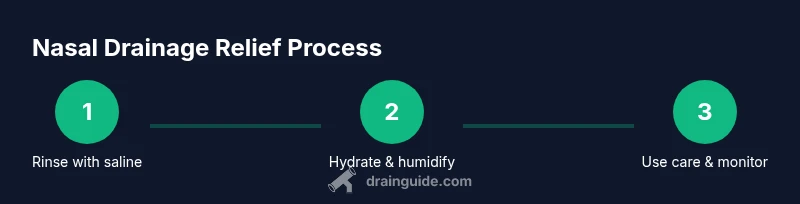
Here is a practical, at-a-glance plan to stop drainage from the nose using safe home methods. Start with noninvasive approaches and escalate only as needed:
- Hydration and rest to support mucus thinning and immune response.
- Clear nasal passages with saline rinse, followed by gentle blowing.
- Humidify the air and avoid irritants.
- Use OTC medications only if appropriate and for a short duration.
- Monitor symptoms and adjust as needed based on response.
This plan aligns with best practices from Drain Guide and emphasizes avoiding unnecessary medications and irritants. Always track whether your symptoms improve within a few days; if not, consult a clinician for a targeted assessment.
When to seek medical care
If nasal drainage persists beyond routine home care, or if additional symptoms arise, consult a clinician. Seek urgent care if you develop fever, facial swelling or severe one-sided pain, stiff neck, dehydration, confusion, or chest symptoms such as shortness of breath. Children, older adults, or people with immune suppression may require earlier evaluation. A clinician can assess for sinusitis, allergies, or other conditions and may advise imaging or prescription therapies. Keeping a symptom diary with dates, triggers, and treatments helps doctors tailor a care plan.
Prevention and lifestyle adjustments
Preventing frequent drainage involves addressing underlying triggers. Manage allergies with avoidance strategies and, when appropriate, allergy medications or immunotherapy. Use a humidifier in dry seasons and keep indoor air clean of irritants. Establish a regular hydration routine and practice good nasal hygiene, including handwashing and cleaning nasal devices. For chronic drainage, consider a long-term plan that includes evaluation for allergies, chronic rhinitis, or structural issues. Drain Guide recommends a cautious approach to self-care and timely consultation when symptoms flare.
Tools & Materials
- Nasal saline spray or rinse kit(Isotonic saline; pre-mixed bottles recommended.)
- Tissues(Soft, disposable tissues for frequent blowing.)
- Humidifier or access to steam(Maintain humidity around 40-60% to thin mucus.)
- Hydration supplies(Water, herbal tea, or clear broth to stay hydrated.)
- Over-the-counter decongestants or antihistamines(Only if advised by a clinician; avoid long-term use.)
Steps
Estimated time: 30-60 minutes (initial actions), with ongoing daily practices
- 1
Prepare a gentle saline rinse
Gather a saline rinse solution and warm, sterile water. If using a neti pot or bottle, lean over a sink, tilt your head slightly, and gently pour the saline through one nostril. Allow it to drain and then repeat on the other side. This helps flush mucus and allergens, reducing irritation.
Tip: Use lukewarm saline and sterile water; never use boiling or untreated water in nasal rinses. - 2
Blow nose gently
Blow one nostril at a time to avoid putting pressure on your ears or sinuses. Use a soft tissue and dab, not rub, to prevent nasal tissue damage. If mucus is stubborn, pause and rehydrate before trying again.
Tip: Avoid snorting or forceful blowing; it can worsen nasal swelling. - 3
Set up humidification
Turn on a cool-mist humidifier or take a warm, steamy shower. Humidity helps loosen mucus and soothe irritated mucosa. Keep the room comfortable and avoid excess humidity that can promote mold growth.
Tip: Aim for a comfortable humidity level around 40-60% and clean the device regularly. - 4
Hydrate and rest
Drinking water and clear fluids thins mucus and supports immune function. Rest helps your body direct energy toward healing. Avoid caffeinated or alcoholic drinks close to bedtime as they can dehydrate you.
Tip: Carry a water bottle and sip steadily throughout the day. - 5
Use OTC remedies cautiously
If you choose an OTC decongestant or antihistamine, follow the label and your clinician's guidance. Do not exceed recommended durations, especially with decongestants, which can cause rebound congestion and other effects.
Tip: Check for interactions with other meds and avoid in certain conditions (e.g., high blood pressure without medical advice). - 6
Elevate your head at night
Sleep with your head slightly elevated using extra pillows. This position reduces overnight drainage and improves drainage during the night. It may help lessen waking up with a congested nose.
Tip: Experiment with pillow height to find a comfortable setup that doesn’t cause neck strain. - 7
Practice nasal hygiene and avoid irritants
Wipe with clean tissues, wash hands regularly, and avoid smoke, strong fragrances, and other irritants. Clean nasal devices after use and store them as directed to minimize infection risk. This routine supports faster recovery and reduces recurrence.
Tip: Soak nasal devices in hot water or run through a dishwasher if the manufacturer approves.
Got Questions?
What causes nasal drainage?
Nasal drainage is common with colds, allergies, irritants, infections, or structural issues. Identifying the trigger helps tailor care.
Nasal drainage often comes from colds, allergies, or irritants. pin down the trigger to guide treatment.
When can I treat at home?
For mild symptoms, safe home care includes saline sprays, humidification, hydration, and rest. If symptoms persist, seek medical advice.
Most runny noses can be handled at home with simple care.
Are nasal decongestants safe for long-term use?
Decongestants may help temporarily; avoid prolonged use due to side effects and rebound congestion. Always follow label directions or a clinician's advice.
Use decongestants only as directed and for a short time.
Can dehydration worsen nasal drainage?
Yes. Staying hydrated helps thin mucus and supports overall throat and sinus comfort.
Drinking fluids helps keep mucus thin and easier to clear.
Should children try home remedies?
Most home remedies are safe for kids when used correctly; consult a pediatrician for younger children and follow dosing guidelines.
Check with a pediatrician before giving remedies to kids.
What signs require medical evaluation?
If drainage is persistent, or if you have fever, facial swelling, dehydration, or trouble breathing, seek medical care.
See a doctor if symptoms worsen or don’t improve.
Watch Video
The Essentials
- Identify triggers and start home care promptly.
- Saline rinses and humidification reduce mucus and irritation.
- OTC meds should be used cautiously and briefly.
- Elevate your head and hydrate for relief.
- Seek medical care if symptoms persist or red flags appear.