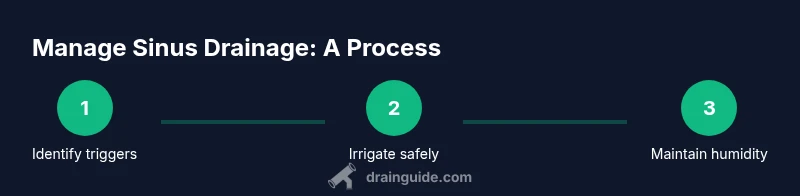
What to do sinus drainage: A Practical Home Guide
Learn practical, safe steps to manage sinus drainage at home—hydration, saline irrigation, humidity, trigger avoidance, and when to seek medical care for persistent symptoms.


This guide shows what to do sinus drainage by identifying causes, applying safe relief methods, and knowing when to seek care. You’ll follow a clear, step-by-step plan focused on hydration, nasal saline irrigation, humidification, and trigger control to reduce congestion and improve drainage.
What sinus drainage is and common causes
What sinus drainage refers to is the mucus flow from the nasal passages, which can feel like a constant drip or lead to congestion. If you’re asking what to do sinus drainage, start with a clear view of common triggers: allergies, viral infections like colds, bacterial sinusitis, environmental irritants (pollution, smoke), and anatomical factors such as nasal polyps or a deviated septum. According to Drain Guide, understanding the context helps you tailor relief strategies rather than applying generic fixes. Recognizing these drivers helps you select the right home remedies, avoid ineffective approaches, and know when medical care could be warranted. Common symptoms include postnasal drip, facial pressure, sore throat, and a diminished sense of smell. LSI terms include nasal congestion, postnasal drip, allergies, and sinusitis that are closely tied to the drainage pattern you experience.
Identify triggers and symptoms
Identifying what’s triggering your sinus drainage is essential for choosing the right actions. Start by cataloging when symptoms worsen: certain seasons, exposure to pets, dust, mold, or perfume can intensify drainage. Track symptoms with a simple diary for at least two weeks to spot patterns. If you notice fever, facial swelling, severe or persistent pain, or symptoms lasting more than 10 days, these warrant professional evaluation. For homeowners handling daily nasal drainage, visual cues like color and thickness of mucus can offer clues but should not replace medical advice. Allergic rhinitis and viral infections often present similarly, but chronic drainage may indicate chronic sinusitis or structural issues that require a clinician’s assessment. Drain Guide emphasizes periodic reassessment to avoid prolonged discomfort and unnecessary self-treatment.
Practical relief strategies you can start today
Many people find relief from sinus drainage with a combination of non-prescription strategies and environmental adjustments. Key actions include maintaining adequate hydration, using a humidifier in dry rooms, and avoiding irritants such as cigarette smoke and strong fumes. Gentle saline irrigation can help clear mucus and reduce postnasal drip when used correctly. Steam inhalation can ease nasal passages temporarily, but avoid extreme heat that could irritate mucosa. Consistency matters: stick to daily routines during flare-ups, and adjust based on symptom response. These approaches are commonly recommended for short-term relief and can be integrated into your daily home care plan.
Saline nasal irrigation: how to do it safely
Saline irrigation is a foundational practice for managing sinus drainage. Use only sterile or distilled water (or boiled water cooled to a safe temperature) to prepare saline solutions, and never use tap water directly. A neti pot, squeeze bottle, or custom irrigation device can be used, but ensure all equipment is thoroughly cleaned after each use. Tilt your head sideways over a sink, gently pour or squeeze the saline so it runs through one nostril and out the other, then repeat on the opposite side. Allow the drainage to clear, and gently blow your nose to remove excess liquid. Always follow device-specific instructions and stop if you experience pain or nasal bleeding. Drain Guide recommends starting with a mild saline concentration and adjusting if needed.
Humidity, hydration, and environmental controls
Humidification supports drainage by keeping mucous membranes hydrated, reducing irritation that worsens congestion. Invest in a humidifier or vaporizer, especially in dry climates or during winter. Pair humidity with adequate water intake; fluids help thin mucus and promote drainage. Additionally, audit your living space for triggers: dust, mold, pets, and strong fragrances can exacerbate nasal drainage. Use air purifiers, wash bedding regularly, and consider hypoallergenic covers. In work areas, reduce exposure to inhalants that trigger symptoms. For many people, improved humidity and cleaner air directly lessen postnasal drip.
Over-the-counter options and cautions
OTC options such as saline sprays, oral decongestants, or nasal steroid sprays may provide relief for sinus drainage, but each has considerations. Saline sprays are gentle and safe for daily use. Decongestants can help with nasal passage opening but may elevate blood pressure or cause insomnia if overused. Nasal steroids can reduce inflammation over time but require consistent use for several days to weeks. Always follow label directions, consult a pharmacist if unsure about interactions with other medications, and avoid combining multiple products unless advised by a clinician. If you have chronic conditions (high blood pressure, glaucoma, pregnancy), seek medical guidance before using certain OTC medications.
When sinus drainage could signal a more serious condition
Most sinus drainage improves with home care, but certain signs demand medical attention. Seek care if you experience a fever above 102°F (38.9°C), severe facial pain, swelling around the eyes, vision changes, stiff neck, confusion, or symptoms lasting longer than 10 days without improvement. Recurring drainage, suspected sinusitis, or nasal discharge with a foul odor may indicate underlying issues such as chronic rhinosinusitis or infection requiring imaging or prescription therapy. Drain Guide advises timely evaluation to prevent complications and to tailor treatment to your specific situation.
Step-by-step plan you can follow today
This practical plan integrates hydration, nasal irrigation, and environmental controls into a daily routine. Start with morning hydration and a quick nasal rinse, then maintain a humidified environment throughout the day. Keep a simple symptom diary and adjust triggers as needed. If symptoms persist after 7–10 days, escalate to a clinician for assessment, possibly including allergy testing or imaging if indicated. This plan is designed for homeowners and DIY enthusiasts to implement safely and effectively, reducing the burden of sinus drainage with consistent practice.
Maintenance and prevention for ongoing sinus drainage
To prevent frequent drainage, establish a routine that supports mucosal health. Regular hydration, moderate physical activity, balanced nutrition, and adequate sleep can strengthen your immune response. Keep indoor humidity in a comfortable range (roughly 40-60%) and minimize irritants like cigarette smoke and strong chemicals. Clean your irrigation devices after each use, replace filters in humidifiers as recommended, and monitor for seasonal allergies that flare during certain times of year. Proactive maintenance can reduce the frequency and intensity of drainage episodes.
Tools & Materials
- Saline solution or saline packets(Prefer pre-measured packets; use sterile water.)
- Neti pot, squeeze bottle, or irrigation device(Choose a device you are comfortable using.)
- Distilled or boiled water (cooled)(Never use straight tap water.)
- Humidifier or vaporizer(Best in dry environments; clean regularly.)
- Tissues and a soft cloth(Keep handy for drainage and cleanup.)
- Thermometer(Useful to monitor fever with infections.)
- Measuring cup or spoon for saline(Precise measures support safe irrigation.)
- Cleaning brush or disinfection solution(Sanitize irrigation tools after each use.)
Steps
Estimated time: 30-45 minutes
- 1
Prepare saline solution and equipment
Wash hands, mix saline solution according to packet instructions, and assemble your irrigation device. Use distilled or boiled water that has cooled to a comfortable temperature. This initial step reduces contamination risk and ensures a gentle start.
Tip: Use room temperature saline to minimize nasal irritation. - 2
Position yourself and begin irrigation
Lean your head slightly forward over the sink and to the side. Gently insert the irrigation tip into the upper nostril and let the saline flow through to the other nostril. Breathe through your mouth to stay relaxed, and avoid swallowing the solution.
Tip: Keep the mouth slightly open to prevent choking on liquid. - 3
Drain and dry the nasal passages
Allow the solution to drain, then gently blow one nostril at a time to clear remaining liquid. Rinse the irrigation device immediately after use with hot water, then air-dry. Do not share devices to reduce infection risk.
Tip: If you feel congested, repeat with the other nostril after a brief pause. - 4
Enhance with humidity and hydration
Run a humidifier in your living spaces to maintain moisture in the air. Drink water regularly throughout the day to support mucus thinning. This combo supports the drainage process and reduces nasal irritation.
Tip: Aim for at least 8 cups of water per day unless advised otherwise by a clinician. - 5
Monitor symptoms and adjust triggers
Keep a simple log of triggers (seasonal changes, pets, dust). Minimize exposure where possible and adjust routines based on symptom changes. Seek medical care if symptoms worsen or do not improve within a week.
Tip: Note color and consistency of mucus to help your health provider.
Got Questions?
What causes sinus drainage and how can I tell the difference between allergies and an infection?
Sinus drainage can result from allergies, colds, or sinus infections. Allergies often cause itchy eyes and sneezing with clear mucus; infections may bring colored mucus and facial pressure. A clinician can diagnose persistent or unusual symptoms.
Drainage can come from allergies or infections. If mucus stays colored or you have facial pain, check with a clinician.
Is nasal irrigation safe for children and pregnant people?
Saline irrigation is generally safe for children and many pregnant people when done with proper technique and sterile water. Use child-sized devices for kids and consult a pediatrician or obstetrician for specific guidance.
Saline irrigation can be safe for kids and pregnant people if done correctly; ask your doctor for the right approach.
How often should I perform nasal irrigation?
For most people, 1-2 times per day during symptoms, or as advised by a clinician, is common. Do not exceed recommended frequency if you experience irritation or nosebleeds.
Most people irrigate once or twice daily when symptomatic; follow your clinician’s guidance.
Can sinus drainage be treated at home alone?
Many cases of mild drainage improve with home care (hydration, humidity, saline irrigation). If symptoms persist beyond 7-10 days, worsen, or include fever, seek medical evaluation.
Home care helps most, but see a clinician if symptoms persist beyond a week or worsen.
What are red flags that require immediate care?
High fever, severe facial pain, confusion, vision changes, or neck stiffness with symptoms require urgent medical assessment.
Seek urgent care if you have a high fever or severe symptoms like facial swelling or vision changes.
Should I use decongestants or nasal steroids every day?
Nasal steroids are often used daily for inflammation control, but decongestants should be used short-term to avoid rebound congestion. Always follow the label and consult a clinician if you have chronic symptoms.
Nasal steroids are usually safe for ongoing use; decongestants should be limited. Check with a clinician if symptoms are persistent.
Watch Video
The Essentials
- Understand triggers to tailor relief
- Use saline irrigation safely and consistently
- Humidify and hydrate to support drainage
- Monitor symptoms and seek care if no improvement
- Maintain cleanliness of irrigation tools