Pouring Vinegar Down the Drain: Is It Safe for Pipes?
A homeowner's guide to using vinegar in drains, safety considerations, and practical, step-by-step routines to maintain clear, odor-free plumbing.


Pouring small amounts of white vinegar down the drain is generally safe for standard PVC plumbing and can help deodorize lines and reduce mineral buildup. It’s not a miracle cleaner or clog fix. Never mix vinegar with bleach, and don’t rely on vinegar for heavy clogs or septic-system issues. Use vinegar in moderation for routine maintenance.
Is pouring vinegar down the drain ok? What you should know
According to Drain Guide Team, pouring small amounts of white vinegar down a typical PVC drain is generally safe and can help deodorize lines and reduce mineral buildup. It is not a miracle cleaner or a guaranteed fix for clogs. Vinegar should never be mixed with bleach, and it should not be relied on for heavy blockages or septic-system stress. For most households, use vinegar in moderation as part of a broader, proactive drain maintenance plan. Always ensure water runs after the pour to flush the line. If your home uses metal piping or has a known septic system, take extra caution and consult a professional if you notice unusual odors or slower draining.
How vinegar interacts with common drain materials
Vinegar is acetic acid and, in typical household strengths (not concentrated), is mild enough for most PVC and plastic piping. Most metal pipes, like copper or galvanized steel, tolerate it as well, but repeated exposure can gradually wear very old or corroded metal. The P-trap and drain lines down to the main line experience the same exposure, but a single rinse is unlikely to cause problems. If you have a septic system, small, occasional uses are generally low risk, but heavy or regular dosing can disrupt microbial balance and should be discussed with a plumber or septic service if you notice odors or slow drainage.
When vinegar makes sense: routine deodorizing and mineral buildup control
If your drains develop a mild odor or mineral residue from hard water, a measured pour of white vinegar can help. It can loosen mineral deposits around the drain opening and in the trap. Combine with hot water to help flush it through, and avoid using it after chemical drain cleaners. This is a maintenance tactic—not a replacement for mechanical cleaning when you have a real clog. For routine maintenance, pair vinegar with regular water flushes and occasional enzymatic cleaners designed for septic-safe environments.
When to avoid vinegar: safety warnings and exceptions
Do not mix vinegar with bleach or hydrogen peroxide in the same drain; dangerous gases can form. Do not pour vinegar into drains connected to chemical cleaners or old, corroded pipes that may be weakened by acids. If you suspect a sewer backup or persistent clog, stop using liquid cleaners and call a professional. For septic systems, avoid heavy or frequent dosing; vinegar affects the microbial balance that keeps septic tanks healthy. If your home uses a metal drain system or has known old plumbing, test in a small inconspicuous area first.
Safe usage guidelines: a practical routine for homeowners
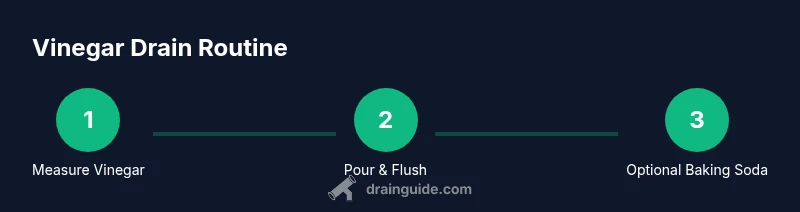
Here's a safe routine: measure a small amount of white vinegar (about a cup or two) and pour it slowly into the drain while running hot water afterward. Let it sit for a few minutes, then flush with a generous stream of hot water. If you want extra deodorizing, you can follow with a mild baking soda flush and water, but never mix the two in the same bottle or vent into the same drain at the same time. Always use plain white vinegar, not flavored or colored varieties. After treatment, rinse thoroughly to prevent residue buildup.
Troubleshooting and next steps
If after vinegar treatment your drain remains slow or odorous, it is time to inspect for a physical clog with a plunger or a drain snake. Vinegar won't fix hair clogs or grease buildup that block the pipe. Enzymatic cleaners can be gentler on pipes than harsh chemical cleaners; consider a plan that includes enzyme-based products and mechanical clearing. Regular maintenance steps, plus scheduled inspections, can help you catch problems early. If you have a septic system, monitor the tank levels and avoid long-term reliance on vinegar as the sole maintenance method.
Tools & Materials
- White vinegar (plain, 5-8 oz bottle or larger)(Use only plain white vinegar; avoid colored varieties to prevent staining)
- Measuring cup(For controlling the amount you pour)
- Hot water(Hot or near-boiling water to flush after the pour)
- Gloves(Optional protective wear when handling cleaners)
- Baking soda(Optional for a deodorizing follow-up; do not mix directly with vinegar in the drain)
Steps
Estimated time: 15-25 minutes
- 1
Identify pipe materials and safety
Check whether your pipes are PVC or metal and look for signs of corrosion or leaks. This helps determine if a vinegar flush is appropriate. If in doubt, consult a plumber before proceeding.
Tip: When in doubt about pipe material, test a small amount in a quiet, inconspicuous area first. - 2
Measure the vinegar
Pour a measured amount of plain white vinegar into a cup–typically 1–2 cups for a standard sink or drain. Avoid excess volumes that could strain older pipes or septic systems.
Tip: Use a measuring cup to prevent pouring too much—start small and adjust if needed. - 3
Pour slowly into the drain
Slowly pour the vinegar into the drain while the faucet is running with hot water. The stream helps carry the vinegar deeper into the trap and pipe.
Tip: Pour gradually to minimize splashing and maximize contact with residue. - 4
Wait briefly
Allow the vinegar to sit for 5–10 minutes. This gives the acid a chance to interact with mineral deposits and odors.
Tip: Use this dwell time to perform other light maintenance tasks nearby. - 5
Flush with hot water
Flush the drain with a generous amount of hot water to push through loosened deposits and clear the line.
Tip: Hot water is key for helping dissolve minerals and improving flow after the vinegar treatment. - 6
Optional follow-up with baking soda (not mixed in the same pour)
If you want extra deodorizing, consider a light baking soda flush after the vinegar, followed by water. Do not mix baking soda and vinegar in the same pour.
Tip: Stagger the flushes by several minutes to reduce foaming in the trap. - 7
Assess septic and system conditions
If your home uses a septic system or old piping, monitor for any odors or changes in drainage after the treatment and avoid frequent, heavy dosing.
Tip: For septic users, consult local guidelines or a septic professional about maintenance frequency.
Got Questions?
Is it safe to pour vinegar down the drain?
Yes, in small amounts, plain white vinegar is generally safe for typical drains and can help with odors and minor mineral buildup. It is not a fix for heavy clogs and should never be mixed with bleach.
Yes, but only in small amounts and never with bleach. It won’t fix heavy clogs.
Will vinegar damage PVC pipes?
For standard household use, vinegar is unlikely to harm PVC. Repeated exposure or highly concentrated vinegar could affect older or damaged pipes, so monitor for changes.
Generally safe for PVC, but avoid overdoing it on old or damaged pipes.
Can vinegar fix a clogged drain?
Vinegar is not a reliable solution for serious clogs. For stubborn blockages, use mechanical methods or enzymatic cleaners and call a professional if needed.
Not a reliable fix for heavy clogs; seek mechanical or professional help if needed.
Is vinegar septic-safe?
Occasional, small amounts are generally acceptable for septic systems, but frequent dosing can disrupt bacterial balance. Use vinegar as part of a broader septic-maintenance plan and consult a pro if unsure.
Use sparingly with septic systems and consider professional guidance for regular maintenance.
What about mixing vinegar with baking soda?
Mixing in the same drain at the same time is discouraged due to foaming and reduced effectiveness. Use them separately and rinse in between if you choose to try both.
Don't mix them together in the same pour; rinse between if you use both.
What should I do if odors persist after using vinegar?
If odors persist, it may indicate a deeper problem such as a slow clog or sewer line issue. Consider a professional diagnostic and explore enzymatic cleaners as a gentler option.
Persistent odors mean it’s time to get a professional check or try enzymatic cleaners as a safer alternative.
Watch Video
The Essentials
- Use vinegar for routine drain maintenance in moderation.
- Never mix vinegar with bleach or other cleaners.
- Don’t rely on vinegar to clear heavy clogs or treat septic systems long-term.
- Pair vinegar with hot water flushes for best results.
- If problems persist, switch to mechanical cleaning or seek professional help.