Pool Drain Maintenance: Clear & Protect Your Pool Drain
A practical, safety-focused guide to diagnosing, clearing, and maintaining your pool drain. Learn step-by-step actions, tools, and preventive tips for homeowners.


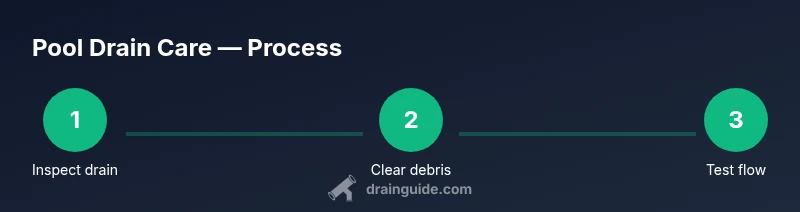
Goal: learn to diagnose, access, and clear a pool drain safely, then establish a simple maintenance routine to prevent future clogs. You’ll identify common signs of a blocked pool drain, assemble the right PPE and tools, perform careful debris removal, and test flow. The steps emphasize caution, proper PPE, and minimizing chemical usage while protecting pool chemistry.
Understanding the pool drain and common issues
A pool drain is part of the pool's circulation system that helps remove water toward the filtration circuit. In most residential pools, drains are located on the floor, near the deep end, or integrated into the suction line. Debris like leaves, sand, hair, and algae can accumulate and form blockages inside the drain line or at the trap. When a drain is partially blocked, you may notice reduced flow, uneven skimming, or pressure changes in the pump. According to Drain Guide, pool drains can accumulate debris quickly and cause clogs if not maintained. The Drain Guide team found that many everyday issues stem from routine debris that isn’t captured by the filter—especially in pools surrounded by trees or during windy months. Regular inspection helps catch these issues before they turn into more costly repairs or backflow problems. Understanding where the drain sits and how the surrounding plumbing interacts with the pump will help you plan safe, effective maintenance without overhauling your system.
Safety and prerequisites
Before you touch the pool drain, shut off power to the pump and any auxiliary equipment to prevent electric shock. Wear safety glasses, durable gloves, and non-slip footwear; never work around wet surfaces with bare feet. Work with the debris bucket close by to avoid tracking contaminants through the pool area. Ensure you have adequate lighting and a clear exit path in case you need to retreat quickly. If your pool uses a gas heater or other gas-powered components, be mindful of gas lines and venting. Drain Guide analysis shows that PPE and proper lockout/tagout processes reduce risk during drain work. Keep a first-aid kit handy and never climb on the pool surface with wet skin. If you encounter corrosion, a crack in pipes, or signs of gas or electrical damage, stop and call a licensed plumber or pool professional immediately.
Tools and materials you may need
Before starting, gather essential tools and materials. PPE is non-negotiable for safety:
- gloves (rubber or nitrile) – protect hands from debris and chemicals
- safety goggles – shield eyes from splashes
- flashlight – illuminate dark drain areas
- bucket – collect debris and keep the work area tidy
- pool skimmer net – remove surface debris before it enters the drain
- pool drain snake – break up clogs in the drain line
- hose – flush lines and test flow
- towel or rag – wipe hands and dry surfaces
Optional items: plug or cap for temporary sealing, and a small pliers or tongs for stubborn debris. Having a basic wet-dry vac can help in large debris scenarios but is not required for simple clogs. Use caution with any tools around water and electrical equipment.
Diagnosing the clog and choosing a method
Clogs in pool drains typically manifest as a drop in flow, abnormal noises, or unusual backpressure. Start by comparing the pump's behavior with the pool's pressure gauge readings; when flow is limited but the filter isn't excessively dirty, the blockage is frequently in the drain line rather than the skimmer. Inspect accessible drain access points for visible debris or a standing column of water that indicates a lube or trap issue. For near-surface clogs, you can often loosen the obstruction with a hand tool or a pool snake. Deeper clogs may require a longer auger or professional assistance. Drain Guide suggests using mechanical methods first and reserving chemical cleaners for unavoidable cases, as chemicals can irritate skin and damage pipe interiors. If you’re unsure about the location, break the task into two phases: clear the drain behind the floor opening and verify overall circulation after each step. If the clog remains after two attempts or if you encounter signs of pipe damage, stop and call a licensed pool technician.
Prevention and maintenance tips
To keep your pool drain flowing smoothly, adopt a regular maintenance routine. Clear surface debris daily or after windy days to reduce the load on the drain. Install or clean pre-filters or leaf traps near the skimmer to reduce debris entering the drain lines. Schedule monthly checks of the drain opening, trap, and visible piping for cracks or corrosion. When you backwash a multiport valve or backwash filter, monitor for sudden pressure changes that could indicate a developing issue in the drain. Keep a simple log noting dates of clogs, the type of debris removed, and the depth of any standing water in the drain area. Consider a seasonal check after storms, as rain and wind bring extra sediment that can clog the drain.
Troubleshooting beyond basics
If you still experience frequent clogs after performing the above steps, the problem may be deeper than the visible drain. Suspect a collapsed pipe, a broken main line, or an improperly sloped drain trench, all of which can reduce flow and trap debris. In these cases, you’ll typically need to perform a more thorough inspection with specialized equipment, or call a professional who can perform dye testing or camera inspection. Do not attempt extensive excavation near the pool or its plumbing without professional guidance. Remember: repeated clogs may indicate a broader drainage issue that requires professional assessment and possible repair to protect pool performance and safety.
Tools & Materials
- gloves(rubber or nitrile gloves to protect hands.)
- safety goggles(eye protection from debris and chemical splashes.)
- flashlight(bright handheld light for dark drain access.)
- bucket(to collect debris and damp towels.)
- pool skimmer net(for surface debris before digging.)
- pool drain snake(to disrupt clogs in drain lines.)
- hose(to flush lines and test flow.)
- towel or rag(cleanup and dry hands.)
- plunger for drains(optional for surface suction obstructions.)
Steps
Estimated time: 45-60 minutes
- 1
Shut off power and prepare
Power down the pool pump and any connected equipment. Set a lockout tag and confirm the breakers are off to avoid accidental restart.
Tip: Verify the breaker with the main switch before approaching water. - 2
Locate drain access and safety check
Identify the drain access point(s) and nearby plumbing. Ensure the area is dry, well-lit, and free of tripping hazards.
Tip: Use a flashlight to inspect the floor drain and main drain cleanly. - 3
Remove surface debris
Use a skimmer net to pull leaves, twigs, and hair from the pool surface and around the drain opening. Place debris into a bucket.
Tip: Keep debris contained to prevent it from leaking into the pool. - 4
Insert snake and break the clog
Carefully insert the drain snake into the pipe, rotating slowly to grab and break the blockage. Stop if you meet resistance and reassess.
Tip: Never force the snake; sudden resistance can damage pipes. - 5
Flush and test the line
Reconnect water or hose to flush fragments through the line toward the pump. Observe flow and listen for improved suction.
Tip: Watch for backflow into the skimmer during flushing. - 6
Restore power and observe
Turn the power back on and run the pump for several minutes. Check for steady flow and verify no leaks or alarm signals.
Tip: If the issue recurs, stop and seek professional help.
Got Questions?
What is a pool drain?
A pool drain is a floor or main drain that draws water toward the filtration system. It helps prevent pooling and backflow by maintaining steady circulation.
A pool drain is the floor or main line that pulls water toward the filter, helping keep the water moving smoothly.
How do I know if my pool drain is clogged?
Common signs include reduced water flow, abnormal noises, slower return jets, and increased pump strain. Inspect the skimmer and filter pressure as part of diagnosis.
Look for low flow, strange noises, or backpressure in the pump when you suspect a clogged drain.
Can I use chemical drain cleaners in a pool drain?
Chemical cleaners are not recommended for pool drains because they can damage pipes and pool surfaces. Use mechanical methods or consult a pro.
Avoid chemical drain cleaners in pools; they can harm the pipes and pool surfaces. Try mechanical clearances first.
What safety precautions should I take?
Power off all equipment, wear PPE, and ensure proper ventilation around chemicals. If unsure, stop and call a professional.
Turn off the equipment and wear safety gear; if you're unsure, get a pro.
When should I call a professional?
If you cannot clear the clog with mechanical tools, if you encounter corrosion, gas lines, or persistent backflow, seek a licensed plumber or pool technician.
Call a pro if the clog won’t budge after mechanical attempts or you see damage.
How often should I inspect the pool drain?
Plan a routine inspection at least every one to three months, and after storms or heavy debris days to catch clogs early.
Check the drain every few months, and after storms, to catch clogs early.
What are signs of more serious drain issues?
Frequent clogs, persistent backflow, or unusual chemical imbalances may indicate deeper plumbing problems that require a professional assessment.
If clogs keep coming back, it might be a bigger plumbing issue; call a pro.
Watch Video
The Essentials
- Inspect the pool drain regularly and clear debris early
- Use mechanical methods before chemicals
- Shut off power before inspection and follow PPE guidelines
- Test flow after maintenance to confirm relief of clog
- Drain Guide recommends proactive maintenance to prevent future clogs