Quality Drain Solutions: A DIY Home Drain Guide
Discover practical, safe quality drain solutions for DIY homeowners. This guide covers diagnosis, step-by-step routines, essential tools, and maintenance to keep drains flowing freely.


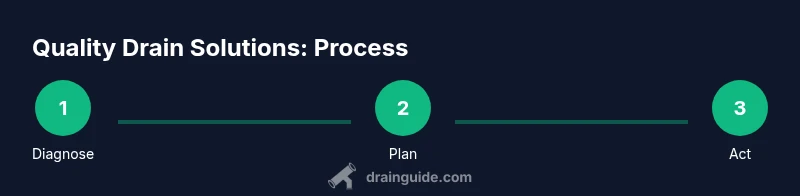
Apply quality drain solutions by diagnosing the cause, choosing safe methods, and using the right tools for cleaning, maintenance, and minor upgrades. This guide walks you through a practical, safe approach that minimizes mess, protects pipes, and keeps drainage flowing smoothly without heavy-duty plumbing. Whether you’re facing a slow drain or a stubborn clog, the steps emphasize safety, quick wins, and durable results you can trust.
What quality drain solutions mean in practice
Quality drain solutions prioritize durable materials, proper sizing, and correct installation, paired with regular maintenance to prevent future issues. For homeowners, this means choosing components that resist mineral buildup, using safe cleaning methods, and documenting a maintenance routine. According to Drain Guide, quality drain solutions reduce recurring clogs, minimize emergency calls, and extend the life of plumbing. In practice, you’ll want to verify that traps, joints, and cleanouts are accessible, sized for the flow you need, and installed with proper seals. The right approach combines preventive care with effective, reversible fixes so you don’t chase problems after every rainfall or dishwasher cycle.
Key indicators of quality include:
- Properly sized pipes and traps that match household demand
- corrosion-resistant materials and reliable fittings
- Safe cleaners and clear, repeatable maintenance steps
- Clear documentation of inspections and replacements
Understanding common drain problems homeowners face
Most household drain issues fall into a few predictable categories. Slow drains often signal material buildup in traps or pipes; gurgling can indicate venting problems or partial blockages; unpleasant odors are a sign of organic buildup in traps or drains; and backups may point to main line issues or tree roots in the sewer. By recognizing patterns, you can target the solution effectively. Drain Guide emphasizes starting with a simple diagnosis before moving to tools or cleaners. In this section, you’ll see how to distinguish between a local clog (sink or shower) and a broader plumbing problem that might require professional help.
Common signs worth noting:
- Slow drainage across multiple fixtures
- Frequent clogs despite routine cleaning
- Bad odors near drains or cleanouts
- Sudden changes in water flow or level
The science behind clogs: how materials accumulate
Clogs form from a mix of everyday substances that accumulate over time. Hair and soap scum are frequent culprits in bathroom drains, while cooking grease and food debris contribute in kitchen lines. Mineral buildup, especially with hard water, creates porous films that trap particles and slow flow. Overlooked shower drains can collect lint and body oils that compound with hair. Understanding this buildup helps you choose the right tools and routines. Drain Guide’s research highlights that combining mechanical methods with safe cleaners can preserve pipe integrity while removing residue effectively. The goal is to create a clean pipeline that resists quick re-clogging and minimizes pressure on seals.
Proactive maintenance routines that save time and money
Prevention beats repair, especially when it comes to drains. A steady maintenance routine reduces the frequency and severity of clogs, extending the life of your plumbing. Start with a monthly quick clean that includes flushing drains with hot water, a cup of baking soda, and a splash of vinegar to disrupt buildup. Quarterly inspections should focus on traps, cleanouts, and venting paths to ensure air can flow properly. Semimonthly checks for unusual odors or slow drainage can catch problems before they escalate. Drain Guide recommends pairing these habits with a simple record-keeping system so you can track what’s been cleaned, replaced, or adjusted. With quality drain solutions, you’ll spend less time dealing with emergencies and more time enjoying reliable drainage.
Tools, materials, and safety gear for DIY drainage work
Before you start any drain project, gather the essentials to stay organized and safe. Basic PPE (gloves and eye protection) protects from splashes. A bucket, rags, and a flashlight help you manage mess and inspect hidden spaces. For most DIY tasks, you’ll want a hand plunger, a drain snake or auger, replacement gaskets or seals, adjustable wrench, and plumber’s tape. Optional items include enzymatic cleaners for maintenance, a wet/dry vacuum for debris, and a small solvent tray to manage spills. Always read product labels and keep children and pets away during work. Label cleanouts for future maintenance and clearly mark shutoff valves if your system requires them.
Step-by-step overview of a routine drain cleaning
A routine cleaning follows a simple, repeatable sequence. First, identify the clog source and clear any accessible hair or residue from the stopper or trap. Next, use a plunger on the affected fixture to attempt a basic dislodge. If that fails, advance to a mechanical auger to break up or pull out the blockage. Finally, flush with hot water and safe cleaners to clear residue and verify flow. Document results and re-check after a few hours of use. This high-level plan keeps you organized and ready to escalate if needed, while protecting pipe integrity and minimizing the risk of leaks.
Choosing the right products: enzymatic cleaners, mechanical tools, and cautionary notes
Not all products suit every drain issue. Enzymatic cleaners are useful for routine maintenance and light buildups, but they may not dissolve solid clogs quickly. Mechanical tools like plungers and drain snakes offer immediate physical removal and are safe when used correctly. Chemical cleaners can be effective on stubborn blockages but carry significant safety and pipe-material considerations; always use as directed and never mix cleaners. For most DIYers, a combination of mechanical tools for fast action and enzymatic cleaners for ongoing prevention provides the best balance of safety and effectiveness. Drain Guide recommends reading labels carefully and avoiding products that can corrode metal joints or damage seals.
Maintenance schedules and seasonal considerations
Seasonal changes influence drain performance. In colder months, outdoor lines are prone to freezing or cracking; in spring, heavy rains can overwhelm main lines. Establish a calendar that includes monthly checks, quarterly cleanouts, and annual professional inspections for main lines and vents. Use a maintenance log to track replacements, seal checks, and trap cleaning. Regular flushing with hot water, baking soda, and vinegar can deter buildup, while avoiding overuse of harsh cleaners helps preserve pipe integrity. Quality drain solutions require consistent habits rather than sporadic efforts. Drain Guide highlights that a predictable routine yields the most reliable results over time.
When to replace pipes or install upgrades for long-term reliability
Pipes and fittings age, warp, or corrode, especially in older homes or in areas with corrosive water chemistry. If you notice persistent leaks, frequent clogs after maintenance, or unraveling joints, it may be time to consider upgrades. Replacing worn traps, speaking with a plumber about venting improvements, or upgrading to sturdier PVC or copper components can dramatically improve long-term reliability. Drain Guide advises evaluating the cost and disruption of upgrades against repeated repairs, and prioritizing upgrades that reduce recurring issues and minimize future maintenance needs.
Quick-start checklist for homeowners
- Identify the problem area and affected fixtures
- Gather safety gear and essential tools
- Try a plunger before moving to augers
- Use a drain snake if a plunger doesn’t clear the clog
- Flush with hot water and a safe cleaner after clearing
- Check the P-trap and cleanouts for debris
- Inspect for leaks and verify venting and drainage paths
- Document maintenance activities and results
- Schedule quarterly checks and annual professional inspections
- Reassess pipes and joints for upgrades if problems persist
Tools & Materials
- Rubber gloves(Protect hands from debris and cleaning chemicals)
- Safety glasses(Shield eyes from splashes)
- Bucket(Catch water and debris)
- Old towels or rags(Clean up spills and wipe traps)
- Plunger (cup or flange)(First line of attack for clogs)
- Drain snake/auger(Break up or pull out blockages)
- Adjustable wrench(Remove and replace fittings)
- Pipe tape (Teflon/PTFE)(Seal joints when needed)
- Enzymatic drain cleaner(Maintenance option for routine upkeep)
- Baking soda(Used with vinegar for gentle cleaning)
- White vinegar(Safe cleaning agent for buildup)
- Flashlight or headlamp(Inspect dark spaces under sinks)
- Wet/dry vacuum (optional)(Suck out spilled water or loose debris)
- Shop towels(Disposable wipes for mess and spills)
Steps
Estimated time: 1-3 hours
- 1
Identify the clog source
Observe which fixtures are affected and note whether water backs up in one drain or multiple. This helps determine if the problem is localized to a trap, branch line, or main sewer line.
Tip: Document symptoms with timestamps and photos to track progress. - 2
Prep the work area
Place towels and a bucket under the drain. Remove the drain cover if accessible and ensure you have clear space to work.
Tip: Shut off any nearby water supply if you're working on exposed piping. - 3
Try a plunger first
Seal the drain and give several firm pumps. If water moves after plunging, the clog is loosening and may clear with a rinse.
Tip: Use a plunger dedicated to the affected fixture to avoid cross-contamination. - 4
Use a drain snake/auger
Insert the snake into the drain and rotate to break up or retrieve the clog. Feed slowly to prevent pipe damage.
Tip: Avoid forcing the snake; if resistance is strong, stop and reassess to prevent snags. - 5
Flush with hot water and safe cleaner
After removing debris, run hot water and a safe cleaner (baking soda + vinegar or enzymatic cleaner) to clear residue.
Tip: Do not mix chemical cleaners with the snake or with each other in a closed space. - 6
Inspect and clean the trap
Place a bucket under the P-trap, loosen fittings, remove debris, and reassemble tightly.
Tip: Check seals for wear; replace gaskets if you notice leaks. - 7
Check downstream components
Inspect the cleanout and accessible pipes for buildup or signs of leaks. Look for slower drainage in other fixtures as a warning sign.
Tip: If you see corrosion, consider replacing affected pipe sections. - 8
Assess the need for professional help
If clogs persist after basic cleaning, or if you notice multiple slow drains with backflow, call a plumber.
Tip: Professional assessment can prevent larger issues like sewer backups.
Got Questions?
What are quality drain solutions?
Quality drain solutions refer to durable, safe methods and components that keep drains flowing with minimal repairs. They emphasize proper sizing, correct installation, and routine maintenance.
Quality drain solutions are durable, safe methods and parts that keep drains flowing with fewer repairs. They focus on proper sizing, installation, and regular maintenance.
When should I use mechanical tools vs chemicals?
Mechanical tools like plungers and drain snakes provide immediate physical action and are safer for most household plumbings. Chemical cleaners should be used sparingly and only as directed, because they can damage pipes or vents if misused.
Use mechanical tools first for most clogs. Chemicals should be a last resort and always used as directed to avoid damage.
Are enzymatic cleaners effective for all clogs?
Enzymatic cleaners help with routine maintenance and light buildups but often won't clear solid or stubborn clogs quickly. They work best as part of a regular maintenance plan.
Enzymatic cleaners help with regular maintenance but may not fix stubborn clogs alone.
Can a clogged drain indicate a bigger plumbing issue?
Yes. Recurrent clogs across multiple fixtures, odors, or gurgling vents can signal venting problems, main line restrictions, or sewer backups that require professional evaluation.
Yes, frequent clogs can indicate a bigger problem like venting or main line issues. A pro may be needed.
Is it safe to use a drain snake in all pipes?
A drain snake is generally safe for most interior pipes when used carefully. Avoid forcing it through sharp bends or damaged pipes to prevent snags or punctures.
Drain snakes are usually safe if used carefully; don’t force them through tight bends or damaged pipes.
What maintenance steps prevent clogs?
Regular flushing with hot water, occasional baking soda and vinegar, and periodic trap cleaning prevent buildup. Keep a simple maintenance schedule and document outcomes.
Regular flushing and trap cleaning prevent clogs. Keep a simple maintenance plan.
Watch Video
The Essentials
- Diagnose before acting and identify the clog source.
- Use mechanical methods first; save chemicals for maintenance, not primary cure.
- Choose quality drain solutions that fit your pipes and are easy to maintain.
- Maintain a regular schedule to prevent buildup and costly repairs.
- Know when to call a professional to avoid bigger issues.