How to Replace a Drain Trap: Step-by-Step Guide
Learn to replace a drain trap safely with a clear, practical guide. Includes tool lists, measurements, step-by-step installation, tips to avoid leaks, and maintenance to prevent odors. Drain Guide provides expert, homeowner-friendly instructions for a durable, leak-free fix.


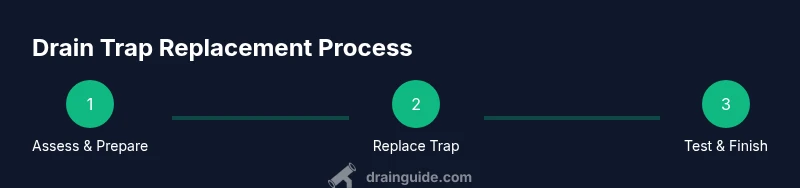
Replacing a drain trap is a straightforward DIY task. Start by turning off the water, catching the existing water, and loosening the slip nuts to remove the old trap. Measure the drain openings (1-1/4" or 1-1/2"), choose a compatible PVC or metal replacement, assemble with washers, and snug the nuts before testing for leaks.
What is a drain trap and why replace it?
A drain trap (typically a P-trap or U-bend) sits just below your sink and holds a small amount of water. This water barrier blocks sewer gases from entering your home while letting waste flow through. Over time, traps wear, corrode, or accumulate debris, which can cause odors, leaks, or slow drainage. Replacing the drain trap is a common DIY task and helps maintain proper drainage and air quality in your kitchen or bathroom.
According to Drain Guide, understanding the trap’s role is the first step toward a durable repair. A properly chosen replacement ensures a tight seal and reduces the risk of future clogs or leaks, keeping your sink functioning smoothly.
Types of drain traps and sizing guidelines
Drain traps come in several materials, most commonly PVC (white or gray plastic) and metal (brass or chrome-plated brass). The choice depends on compatibility with your pipes, budget, and durability preferences. Size is typically determined by the drain opening: 1-1/4" for many bathroom sinks and 1-1/2" for kitchen sinks. Some installations use adjustable slip-joint traps that fit multiple sizes. When replacing, match the trap size to the pipe diameter and choose a design with compatible slip-nut washers for a reliable seal.
Drain Guide notes that a correct fit reduces the likelihood of leaks and emissions. If you’re unsure, bring the old trap to a hardware store to compare sizes and thread types. Remember that some homes use flexible hoses or additional fittings near a disposal, which may require a specific trap kit or adapters.
How to measure trap size and choose replacement
To identify the correct replacement, measure the inner diameter of the drain outlet or the slip-joint nut you’ll be connecting to. Most residential sinks use 1-1/4" or 1-1/2" traps, but exact sizing can vary by country and pipe age. When shopping, look for a trap kit that matches the measured size and material (PVC or metal). If you have a garbage disposal, you may need a trap that accommodates a discharge outlet or a disposer-specific adapter. Always verify that the new trap’s length fits between the sink drain and the wall pipe.
Drain Guide emphasizes the importance of accurate measurements to avoid rework. If in doubt, measure twice and test the fit with dry assembly before applying any sealant or tightening joints.
Safety and prep steps before you begin
Safety comes first. Clear the area under the sink, place a bucket to catch water, and wear gloves if you’re handling old, rusty parts. Shut off the cold water supply to avoid splashes, then run a small amount of water to confirm there’s no residual pressure in the lines. Keep towels handy for spills and use a flashlight to inspect tight spaces. Disconnecting hot water is unnecessary for most traps, but ensure you won’t accidentally pull wiring or power cords in the cabinet.
Proper prep minimizes mess and reduces the risk of injury. Drain Guide’s guidance highlights that a clean workspace leads to a faster, more confident repair.
Removing the old trap and installing the new one
Begin by placing a bucket under the trap and loosening the slip nuts with adjustable pliers. Carefully disconnect the trap from the drain tailpiece and the outlet pipe, catching any standing water. Clean the washer seats and the pipe ends, then dry-fit the new trap to ensure proper alignment. If using PVC, ensure slip joints are clean and insert the washers before tightening. For metal traps, hand-tighten first, then snug with a wrench—avoid overtightening, which can crack fittings.
Dry fitting is key to prevent leaks. Once the fit is correct, reassemble with the slip-nut washers and snug securely. Drain Guide recommends checking for alignment and ensuring the trap sits level so the water stays in the bend to seal against sewer gas.
Testing for leaks and odor after replacement
Turn the water back on and run both hot and cold water through the sink for several minutes. Inspect all joints for moisture; if you see a signature damp spot, tighten the corresponding nut slightly and retest. If a persistent odor lingers, recheck the P-trap fill level—the trap must always hold water to block gases. If you notice gurgling, the venting may be compromised elsewhere in the system.
Testing is the final gatekeeper: a leak-free, odor-free installation confirms a successful replacement. Drain Guide advises meticulous testing as part of the project finish to prevent future callbacks.
Maintenance tips to extend life and prevent future issues
Periodically inspect the trap for signs of wear, corrosion, or loosened nuts. Clean the trap’s interior if you notice slow drainage or debris buildup. Use a gentle drain cleaner or a natural method (baking soda and vinegar followed by hot water) sparingly to avoid degrading seals. If you have hard water, mineral buildup can accelerate wear, so consider replacing metal traps with corrosion-resistant options. Keep a small maintenance kit handy for quick at-home fixes.
Regular checks reduce the risk of sudden leaks and odors. Drain Guide’s ongoing maintenance philosophy focuses on proactive upkeep rather than reactive fixes.
Authority sources
- https://www.osha.gov
- https://www.cdc.gov
- https://www.epa.gov
Tools & Materials
- Bucket(To catch water and prevent spills during trap removal and replacement)
- Old rags or towels(For cleaning and drying connections)
- Adjustable pliers(Loosen slip nuts and clamps without damage)
- Pipe wrench(Helpful for stubborn fittings or metal traps)
- Replacement P-trap kit (PVC or metal)(Match size to pipe diameter (common are 1-1/4" or 1-1/2") and ensure it fits slip joints)
- Measuring tape(Measure drain openings and trap length to ensure fit)
- Silicone sealant or plumber’s tape(Optional for extra seal on some threads or joints)
- Clean cloth(Wipe surfaces and dry connections before reassembly)
- Flashlight(Illumination for tight under-sink spaces)
Steps
Estimated time: 30-45 minutes
- 1
Shut off water and prep area
Turn off the cold water supply under the sink and open the tap to relieve pressure. Place a bucket and towels under the area, and clear the counter so you can access the pipes easily.
Tip: Having towels ready prevents a mess and keeps the workspace clear. - 2
Loosen slip nuts and remove existing trap
Place adjustable pliers on the nuts that connect the trap to the tailpiece and drain pipe. Loosen counterclockwise, and carefully slide the trap away from both connections.
Tip: Do not yank—the trap can be heavy when full of water. - 3
Clean and inspect pipe ends
Wipe away old sealant and residue from the tailpiece and wall pipe with a clean cloth. Inspect washers for wear and replace if they appear cracked or stiff.
Tip: Worn washers cause leaks; replace every time you replace the trap. - 4
Dry-fit the new trap
Before fastening, assemble the new trap in a dry run to ensure proper alignment and fit between the sink tailpiece and the drain line.
Tip: Dry-fitting saves time and reduces rework. - 5
Install the new trap with washers
Attach the new trap using slip-nut washers; hand-tighten first, then snug with pliers without overtightening.
Tip: Over-tightening can crack fittings or strip threads. - 6
Check alignment and clearance
Ensure the trap sits level and the pipe lengths allow a proper bend without kinks. Adjust if necessary.
Tip: A misaligned trap can leak or siphon air. - 7
Reconnect to drain and tailpiece
Reconnect the trap to the tailpiece and wall drain, ensuring a clean, snug fit on both ends.
Tip: Verify that the washers sit flush against the joint surfaces. - 8
Test for leaks with water
Run cold and hot water for several minutes to test all joints. Look for moisture and dampness at every connection.
Tip: If leaks appear, tighten the corresponding nut slightly and re-test. - 9
Finalize and tidy up
Wipe up any residual water, store tools, and ensure there’s no dripping. Keep spare washers on hand for future maintenance.
Tip: A clean workspace helps you catch problems early.
Got Questions?
What is the purpose of a drain trap and why replace it?
The trap acts as a water seal that blocks sewer gases while allowing wastewater to flow. Replacing a worn or leaking trap restores proper drainage and odor control.
The trap blocks sewer gases and keeps your home smelling fresh. If it leaks or dries out, replace it to restore proper drainage.
What sizes do drain traps typically come in?
Most residential traps come in 1-1/4" or 1-1/2" sizes. Check the tailpiece and existing trap to choose the correct size and ensure compatible fittings.
Most sinks use 1-1/4 or 1-1/2 inch traps; measure to confirm the right size for your setup.
Can I reuse old washers when replacing a trap?
No. Worn washers can leak. Replace with fresh washers that match the new trap’s joints for a reliable seal.
Avoid reusing old washers; new washers help prevent leaks.
Is it safe to replace a trap if I have a garbage disposal?
Yes, but use the correct trap adapter designed for disposals to ensure a proper connection and seal.
Yes, but you may need a disposer-compatible adapter to connect the trap.
What if I still smell sewer gas after replacement?
Check for dry trap, verify all joints are tight, and ensure proper venting in the plumbing system; replace any cracked parts.
If odor sticks around, double-check the seal and venting and fix any loose joints.
How long does a typical drain trap replacement take?
Most homeowners complete it in 30 to 60 minutes, depending on accessibility and fittings.
Most people finish in half an hour to an hour.
Watch Video
The Essentials
- Replace a damaged trap with a matching size for a secure seal
- Measure before buying to avoid misfits and leaks
- Tighten joints gradually and test with water to confirm a leak-free install
- Regular checks prevent odors and slow drainage over time