Tips for Snaking a Tub Drain: A DIY Guide
Practical, step-by-step tips for snaking a tub drain to clear clogs safely and effectively. Learn tools, techniques, and common mistakes from Drain Guide.


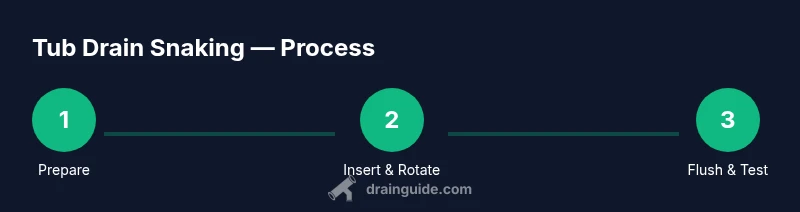
In 3 simple steps, snaking a tub drain clears clogs and restores flow: 1) gather the right tool and PPE, 2) insert and rotate the auger to break up the blockage, and 3) run water to test clarity. Before you begin, unplug the drain, protect the area with towels, and work slowly to avoid pipe damage.
Understanding tub drain clogs and when to snake
If your tub drain drains slowly or pools water after use, it's time to consider snaking. According to Drain Guide, many tub drains clog from hair, soap scum, and mineral buildup; snaking is an effective DIY approach when used with care. The Drain Guide team found that using a flexible auger with slow, steady twists reduces the chance of pipe damage and debris getting pushed further into the line. This guide helps you explore tips for snaking a tub drain to restore flow, minimize mess, and avoid unnecessary service calls. Read on to learn when to tackle the job yourself and how to do it safely.
Choosing the right tool and PPE
Selecting the correct tool and protective gear matters as much as technique. A handheld drain snake (auger) with a 1/4-inch to 1/2-inch coil is typically enough for most residential tubs. Avoid cordless power augers in tight bathroom spaces to prevent rapid, uncontrolled movements. Always wear gloves, eye protection, and old clothing; a knee pad can help when kneeling on wet floors. Keep a towel and a bucket handy for catching water and debris. The right kit minimizes slips and protects the tub finish and tiles.
Preparation: setting up a safe workspace
Before you insert the snake, set up a dry, well-lit workspace. Remove loose items from the tub surround, place towels on the floor to absorb spills, and position a bucket nearby for dirty water. If your tub has an overflow cover, remove it according to the manufacturer's instructions to access the drain. Check that nearby electrical outlets are dry and keep children and pets away while you work. A clean, organized area reduces accidents and makes the process smoother.
Step-by-step overview of tub drain snaking
The snaking process is a careful sequence of insertion, rotation, and extraction. Start by loosening any visible hair near the drain opening, then feed the coil into the drain until you feel resistance. Rotate the snake as you advance to break up hair and soap scum, then slowly pull back and clean the coil as it exits. Finally, flush the drain with hot water to verify clearance and rinse away loosened debris.
Common pitfalls and how to avoid them
Common mistakes include forcing the snake, which can kink or damage the pipe; using too much force can shove debris deeper or crack fittings. Work slowly with consistent pressure, and frequently pull back to remove caught hair. If you encounter a stubborn clog, pause and assess whether you should widen your approach or stop to protect the trap and venting. Always finish by testing the drain with several buckets of water to confirm reliable flow.
When to call a professional
If the tub drain remains clogged after a careful snaking attempt, if you notice sewer gas smells, or if water backs up into fixtures, it’s time to seek professional help. Snaking can solve many hair and soap scum clogs, but deeper blockages in the main line or venting issues require licensed plumbers. The Drain Guide team recommends scheduling a professional evaluation when you’re unsure or when the blockage recurs frequently.
Tools & Materials
- Handheld drain snake (auger)(Choose a 1/4-inch to 1/2-inch coil for most tubs.)
- Gloves(Nitrile or rubber gloves; protect hands from hair and grit.)
- Safety goggles(Shield eyes from splashes and debris.)
- Bucket(Catch dirty water and debris during snaking.)
- Old towels or rags(Contain spills and protect the tub surround.)
- Flashlight or headlamp(Better visibility in the drain area.)
- Pliers or adjustable wrench(Optional: for removing overflow cover if needed.)
- Dish soap or light lubricant(Optional: helps with inserting the snake.)
Steps
Estimated time: 30-60 minutes
- 1
Prepare the workspace
Clear the area around the tub and set towels on the floor. Place a bucket within reach and choose protective clothing and gloves. Take a quick inventory of tools so you won’t have to pause mid-task, which reduces the risk of damaging the pipe.
Tip: Lay towels both inside and around the tub to contain splashes before you begin. - 2
Insert the snake into the drain
Begin feeding the coil into the drain, guiding it past any visible hair. Stop when you meet resistance, which indicates you’ve reached the clog. Keep the snake straight and steady to avoid kinking the coil.
Tip: Do not push through resistance with brute force; instead, retract slightly and reattempt. - 3
Rotate and advance to break the clog
Rotate the handle gradually as you push forward about an inch at a time. This action helps break up hair and soap scum as you work deeper into the blockage.
Tip: Small, controlled rotations are more effective and safer than hard twists. - 4
Retract and clean the coil
Slowly pull the snake back while continuing to rotate, so debris clings to the coil and is removed. Inspect the coil for hair or gunk that may have collected.
Tip: Wipe debris off the coil with a towel before continuing. - 5
Flush the drain and test
Run hot water or a kettle of water to wash away loosened material. Reinsert water gradually and observe flow to confirm clearance.
Tip: If water still stands, repeat the process or move to a longer snake. - 6
Clean up and reassess
Wipe down the work area, dry the tub, and store tools properly. If the drain remains slow after a second attempt, evaluate whether professional help is needed.
Tip: Document any recurring clogs to discuss with a plumber later.
Got Questions?
What if the tub still drains slowly after snaking?
If the drain remains slow, the clog may be deeper in the plumbing or in the main line. You can try a longer snake, re-check the trap, and ensure the overflow doesn’t still trap debris. If there’s no improvement, contact a licensed plumber.
If it’s still slow after snaking, the clog might be deeper; consider a longer snake or a pro.
Is it safe to snake a tub drain without removing the trap?
In many cases you can snake through the overflow pathway or access the drain without removing the trap. If you can’t reach the clog from the drain opening, removing the trap or calling a pro is advisable.
You can often snake without removing the trap, but if access is blocked, you may need to remove the trap or call a pro.
Can I use baking soda and vinegar instead of snaking to clear a tub drain?
Baking soda and vinegar can help with minor buildups, but they are usually not effective for hair clogs. Mechanical snaking remains the most reliable method for stubborn blockages.
Baking soda and vinegar help a little, but for hair clogs you want a snake.
What safety precautions should I take when snaking?
Wear gloves and safety goggles, keep children away, and work slowly to avoid splashing. Turn off any nearby power sources or unplug electrical devices to minimize risk around water.
Wear gloves and eye protection, work slowly, and keep kids away.
What tools do I need for tub drain snaking?
A handheld drain snake (auger), gloves, a bucket, towels, and a flashlight are essentials. Optional items include pliers for overflow covers and a small amount of dish soap for lubrication.
You’ll need a hand auger, gloves, a bucket, towels, and a flashlight.
How do I know when I’m done snaking?
You’re done when the drain flows freely with minimal resistance and water clears after flushing. If water backs up again within minutes, repeat or seek professional help.
Finish when water flows freely after a flush, and test a couple more times.
Watch Video
The Essentials
- Identify the clog early and choose the right tool.
- Feed gently, rotate slowly, and avoid forcing past resistance.
- Test the drain after each pass to confirm clearance.
- If problems persist, don’t hesitate to seek professional help.