Tub Parts Drain: DIY Troubleshooting and Repair Guide
Learn how to diagnose, clean, and repair tub parts drain with clear, practical steps. From identifying components to preventing future clogs, this Drain Guide tutorial helps homeowners fix tubs safely.


You will diagnose and clear a tub parts drain by inspecting the trap, removing blockages, testing water flow, and reinstalling parts with proper seals. Gather a bucket, towels, pliers, an adjustable wrench, a hair removal tool, and a replacement washer if needed. Avoid chemical clog cleaners; they can damage seals and pipes. This quick guide sets expectations and safety steps for a DIY fix.
Anatomy of a tub drain assembly
A typical tub drain is a compact assembly that sits at the tub’s floor or sidewall and connects to a waste pipe beneath. Understanding each part helps you pinpoint where a clog or leak originates. The visible pieces include the drain cover and flange, which seal the opening and keep hair and debris out. Behind the cover sits a strainer or basket that catches solids before they reach the pipe. A short tailpiece links the strainer to the trap, most often a P-trap, which forms a water seal to prevent sewer gases from entering the bathroom. The trap arm connects to the wall drain, and in many tubs you’ll also find an overflow plate that diverts water if you forget to turn off the faucet. When you combine these components correctly with the right seals, tub parts drain maintain efficiency and prevent odors.
According to Drain Guide, knowing how these pieces fit together helps homeowners identify where a blockage or leak is most likely to occur and make safer, more effective repairs.
Key components of tub drain systems
A typical tub drain system includes several parts working in concert: the drain cover and flange (the visible face hiding an internal mechanism), the strainer or basket (the first line of defense against solids), the tailpiece (the short pipe that connects the strainer to the trap), the P‑trap (the curved section that holds water to seal out sewer gases), and the trap arm (the horizontal segment leading to the wall drain). Many installations also feature an overflow plate that diverts water away from the tub when the tub is overfilled. Some systems include a diverter or a removable cleanout; others rely on simple arrangement of gaskets and seals. Clear seals and correct orientation matter for long-term performance and odor control.
Common blockage sources in tub drains
Hair is the most frequent culprit, often collecting with soap scum and mineral deposits to form a stubborn clog. Residue from shampoos and body wash can also contribute, especially in older homes with mineral-laden water. Foreign objects like earrings or bottle caps, though rare, can jam the trap. A crowded strainer basket slows drainage and invites odor. Regular maintenance reduces buildup, and installing a fine-mesh strainer makes future blockages easier to manage.
How to inspect the tub drain without removing the entire fixture
Begin with a non-invasive check: look at the overflow plate for looseness or leaks, inspect the visible parts of the drain, and feel for any wobble in the cover. Shine a light into the drain opening to spot hair clumps or debris near the strainer. If water drains slowly but you don’t hear gurgling, the issue is usually a buildup near the strainer rather than a full block further down the line. This approach lets you plan your next steps with minimal disruption to the bathroom.
Tools and safety gear you’ll need
Gather a bucket, towels, rubber gloves, pliers or adjustable wrenches, a small screwdriver, a hair removal tool, a drain snake or auger, a replacement washer or O‑ring, and silicone sealant or plumber’s putty. Wear eye protection if you anticipate splashing water. Keep a camera or note pad handy to document reassembly orientation if you’re dealing with multiple components. Dispose of debris in a trash bag to prevent it from refilling the drain.
Prepare for a DIY repair
Clear the work area and protect the tub surface with a towel or old sheet. Place the bucket under the drain area to catch any water. If you’re dealing with a wet bathroom environment, turn on a fan or open a window for ventilation. It’s also smart to take a quick photo of the current setup before disassembly, so you can reproduce the exact orientation when reassembling the drain.
Detach the drain cover and access the trap
Use the appropriate screwdriver to remove the screws securing the drain cover. Lift the cover and set it aside; remove the strainer basket if present. Place towels to catch any residual water, then gently loosen the nut that holds the tailpiece to the drain assembly. If accessible, apply a small amount of penetrating oil and wait a few minutes to ease stubborn fittings, then carefully separate components. Remember, proceed slowly to avoid damaging the finish.
Clear debris from the strainer, strainer basket, and trap
With gloves on, remove hair and soap scum from the strainer and basket. Use a drain snake to pull out clogs within the trap arm or vertical run. Rinse the trap with warm water and inspect the O‑ring or gasket for wear. If the seal looks cracked or deformed, prepare a replacement before reassembly. This step reduces the chance of rapid re-clogging and leaks.
Reassemble with proper seals and test
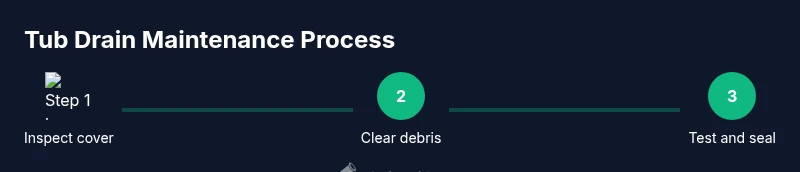
Reinstall the tailpiece with a new or intact O‑ring, then secure the trap and cover. Apply plumber’s putty or silicone sealant around gasket surfaces if recommended by the manufacturer. Reattach the overflow plate (if present) and tighten all fittings evenly. Run warm water for several minutes to check for leaks and ensure smooth drainage.
When to replace tub parts drain components
If you notice persistent leaks after resealing, a cracked or corroded metal trap, warped washers, or a brittle plastic component, replacement is the safer option. Replacing the damaged parts with compatible components prevents future leaks and odors. If you’re unsure about fit or compatibility, consult a plumbing professional.
Maintenance to prevent future clogs
Establish a simple routine: clean the strainer basket weekly, wipe out soap scum from the drain opening, and flush the system with hot water to dissolve minerals. Consider installing a finer screen or a secondary hair catcher to reduce debris entry. Regular checks of seals and gaskets help you catch wear before it becomes a leak.
Common mistakes and quick fixes
Avoid using metal tools that can scratch porcelain or enamel finishes. Do not force components or overtighten fittings, which can crack seals. Refrain from using harsh chemical clog cleaners—these can degrade gaskets and pipes. If the drain still struggles after a clean, replace worn washers or consider a professional inspection for deeper blockages.
Authority sources
- OSHA: Plumbing safety guidelines and safe-handling practices for maintenance tasks. https://www.osha.gov
- Oregon State University Extension: Home plumbing maintenance and troubleshooting. https://extension.oregonstate.edu
- Mayo Clinic: General home maintenance and safety practices relevant to household repairs. https://www.mayoclinic.org
Tools & Materials
- Bucket(To collect water and drips during disassembly)
- Old towels or floor absorbents(Protect flooring and catch spills)
- Rubber gloves(Hygiene and grip when handling drains)
- Screwdriver (flathead or Phillips as needed)(Remove drain cover screws)
- Adjustable wrench(Loosen tailpiece nuts and fittings)
- Pliers or channel locks(Grip small parts and nuts securely)
- Drain snake / plumbing auger(For deeper clogs beyond the trap)
- Replacement washer/O‑ring(Replace worn seals to prevent leaks)
- Silicone sealant or plumber’s putty(Create a watertight seal where needed)
- Flashlight(Improve visibility inside the drain area)
Steps
Estimated time: 30-60 minutes
- 1
Prepare and secure area
Clear the workspace, lay towels, and place a bucket. Turn on a fan if the bathroom is small or stuffy. This ensures you won’t slip on water and have adequate lighting.
Tip: Take a quick photo of the arrangement before disassembly for accurate reassembly. - 2
Detach the drain cover
Use the screwdriver to remove screws and lift off the cover. Set the cover and screws aside in a safe place. This step provides access to the strainer and tailpiece.
Tip: Keep screws organized by bagging them with the cover for easy return. - 3
Access the trap area
Gently loosen the nut that secures the tailpiece to the drain assembly. Be prepared for a small amount of water to spill. If the trap is accessible, remove it carefully.
Tip: If you sense resistance, apply a drop of penetrating oil and wait a few minutes. - 4
Remove hair and debris
With gloves on, pull out hair clumps and soap scum from the strainer, basket, and trap. Rinse debris into the bucket and inspect the trap for wear.
Tip: Use a drain snake for stubborn clogs, but stop if you feel resistance that suggests a deeper blockage. - 5
Check seals and washers
Inspect O‑rings and washers for cracks or deformation. Replace any worn seals to prevent future leaks. Dry fit components before sealing them.
Tip: Carry spare washers sized to your drain model so you don’t have to re-open later. - 6
Reassemble the drain
Reconnect the tailpiece with the new or intact O‑ring, then secure the trap and reattach the cover. Apply silicone sealant where the manufacturer recommends and snug fittings evenly.
Tip: Don’t over-tighten; this can split seals or the drain flange. - 7
Test the drain
Run warm water for several minutes and observe for leaks around seals. Check the flow rate; if water drains slowly, recheck for remaining debris.
Tip: Check for leaks under the tub area for 5–10 minutes after the test. - 8
Finalize and cleanup
Wipe down all surfaces, remove tools, and dispose of collected debris. If you had to replace parts, keep old components for reference if you later need to match a replacement.
Tip: Store spare washers and a small toolkit in a cabinet dedicated to DIY repairs.
Got Questions?
What is the first step I should take if my tub won't drain?
Start with a visual inspection of the drain cover and overflow plate, then check the strainer for hair buildup. If water remains, remove debris with gloves or a small tool before testing flow again.
Begin with a visual check for hair and debris at the drain; remove blockages with gloves, then re-test the flow.
Can I safely use chemical drain cleaners on a tub drain?
Chemical cleaners can damage gaskets, seals, and enamel or porcelain finishes. They’re best avoided in tub drains, especially if you have a metal trap or wooden surrounding.
No—chemical cleaners can harm seals and finishes; use mechanical cleaning methods instead.
How do I know when to replace the entire drain assembly?
If you notice persistent leaks after resealing, a cracked trap, or corroded metal parts that won’t seal, replacement is the safer long-term option.
If leaks persist after resealing or parts look worn, plan a replacement.
Is it necessary to remove the entire tub to access the drain trap?
Not usually. Many tub drains are accessible through the drain cover and overflow. Full removal is rare and typically reserved for stubborn or embedded installations.
Usually not; many tubs let you access the trap via the drain cover.
What basic tools are essential for tub drain maintenance?
At minimum, you’ll want a bucket, towels, gloves, a screwdriver, pliers, and a drain snake. Additional seals or washers can save a return trip.
A bucket, towels, gloves, and simple tools are enough for most DIY fixes.
How long should a DIY tub drain repair last?
Durability depends on part quality and how well seals are installed. Expect several months to a few years with proper maintenance; replace worn parts as needed.
With proper maintenance, expect months to years of reliable service.
Watch Video
The Essentials
- Inspect the drain assembly to locate clogs and leaks
- Clear debris from strainer, basket, and trap regularly
- Replace worn seals to prevent future leaks
- Avoid harsh chemical cleaners to protect seals and surfaces
- Test the drain after reassembly and monitor for leaks