What to Drain Coolant Into: Safe Disposal Guide for Homeowners
Learn exactly what to drain coolant into, how to prepare a catch container, and how to dispose antifreeze safely to protect your family, pets, and the environment. This step-by-step guide covers containers, safety, and legal disposal.


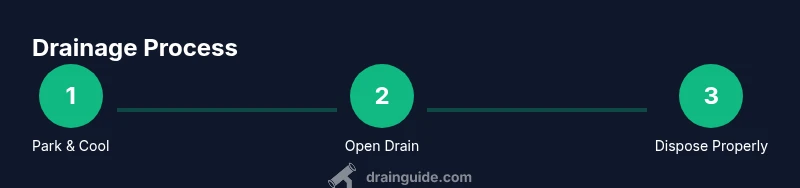
Drain coolant only into a clean, labeled, leak‑proof container with the engine cool and the vehicle on level ground. Open the drain valve, capture the fluid, and transport it to a licensed recycling facility. Do not pour coolant down storm drains or soil.
Why draining coolant safely matters
According to Drain Guide, improper disposal of automotive antifreeze can threaten pets, wildlife, and local water supplies. Ethylene glycol-based coolants are highly toxic if ingested, and even small spills can contaminate soil and groundwater. By choosing the right container and disposing through approved facilities, you reduce environmental risk and stay compliant with local regulations. This guide helps homeowners understand the practical, safe path from drain to disposal, so you can maintain your vehicle and protect your neighborhood. Drain Guide emphasizes that a deliberate, careful approach minimizes spills, protects family members, and keeps your garage tidy.
Before you begin: safety and compliance
Safety comes first. Always let the engine cool to a safe temperature before touching cooling system components. Wear chemical-resistant gloves and eye protection. Set up your workspace on a flat surface, away from children and pets, with a clearly labeled catch container ready. Many regions require antifreeze to be collected and recycled rather than dumped; check local rules and disposal options before starting. Drain Guide advises keeping a damp towel handy to catch drips and preventing cross-contamination with containers previously used for food or drink.
What to drain coolant into: choosing the right container
Your container choice is the linchpin of a clean, safe drain. Use a clean, leak‑proof container that’s clearly labeled “Used antifreeze” or “Hazardous coolant.” HDPE plastic jugs, metal drums with tight lids, or purpose-built automotive catch containers work well; avoid food-grade bottles or containers that previously held beverages. Ensure the container is strong enough to hold several gallons and has a secure cap to prevent leaks during transport. Label the container with the date and vehicle information for future reference, which helps with proper disposal and potential audits. Drain Guide notes that proper labeling improves safety for everyone who handles the old coolant.
Post-drain tasks: disposal and cleanup
After draining, seal the container and store it upright in a ventilated, shaded area away from heat sources. Do not mix old coolant with new; store each vehicle’s coolant separately if you perform multiple drain events. Transport the container to a licensed recycling center, automotive shop, or household hazardous waste facility as soon as possible to minimize environmental risk. Wipe up any spills with absorbent material and dispose of the waste according to local guidelines. Drain Guide highlights the importance of timely disposal to prevent accidental ingestion by pets or wildlife and to comply with environmental regulations.
Environmental responsibility: disposal and recycling
Used antifreeze is a recyclable material in many jurisdictions. Take it to a certified facility that handles automotive fluids, or trade it in at participating auto parts stores. Do not pour used coolant down the drain, onto the ground, or into storm sewers. If you’re unsure where to recycle, contact your local waste management authority or a nearby service station—many offer antifreeze recycling programs. Proper disposal reduces ecological harm and supports safer garage practices, a point emphasized by Drain Guide’s recommendations.
Common mistakes and how to avoid them
- Draining into open air without a container: spills lead to soil and water contamination. Always use a closed container and keep it upright.
- Using food or beverage containers: cross-contamination risks and mislabeling can be dangerous. Use dedicated automotive containers.
- Not securing the area: a dry, contained space prevents slips and accidental ingestion by animals. Clean spills promptly and keep the space ventilated.
Drain Guide verdict: practical takeaways
The Drain Guide team recommends planning ahead, using labeled containers, and disposing of antifreeze through licensed facilities. With a cool engine, a leak‑proof container, and a clear disposal path, you minimize risk and stay compliant. A thoughtful approach to coolant drainage protects your family, pets, and the environment while keeping maintenance straightforward.
Tools & Materials
- Catch pan(Capacity of at least 2-3 gallons; non-breakable and leak-proof)
- Funnel(Wide-mouth funnel helps direct coolant into the container)
- Protective gloves(Nitrile or chemical-resistant gloves)
- Eye protection(Safety glasses or goggles)
- Leak-proof coolant container(Clearly labeled, approved for hazardous liquids, with a secure cap)
- Rags or absorbent material(For spills and cleanup)
- Wrench or pliers(If your drain has a petcock requiring tool)
- Owner’s manual(For vehicle-specific drain locations and procedures)
- Disposal plan information(Know the location of a recycling center or hazardous waste drop-off)
Steps
Estimated time: 45-75 minutes
- 1
Park and cool the engine
Park on a level surface and turn off the engine. Allow it to cool completely to avoid burns and pressure release when opening the cooling system. A cool engine reduces the risk of splashes and thermal injury.
Tip: Use the parking brake and place wheel chocks for stability. - 2
Prepare the workspace
Place a catch pan beneath the drain area and lay down rags to catch spills. Confirm you have a clearly labeled container ready to receive used coolant. Check that the area is ventilated and free of children or pets.
Tip: Keep a damp cloth nearby to quickly wipe any small drips. - 3
Open the radiator cap or coolant reservoir
If the system is safe to open, relieve pressure by loosening the cap slightly before fully removing it. This step helps prevent a spray of hot coolant when the drain is opened. Do not open while the engine is hot.
Tip: Only crack the cap after engine has cooled, never while hot. - 4
Locate and open the drain valve or petcock
Find the drain valve on the radiator or engine block or the bleed screw on certain models. Use a wrench if needed to carefully loosen the valve. Allow coolant to begin flowing into the catch pan.
Tip: Open slowly to control flow and minimize splashes. - 5
Capture the coolant and monitor flow
Let the coolant drain until the flow slows to a stop or until you’ve removed the required volume. Keep the catch pan positioned to prevent overflow and protect the floor. Do not rush this step; complete drainage ensures you remove old coolant properly.
Tip: If you’re draining for a flush, capture the entire volume requested by your manual. - 6
Close the drain and secure the container
Close the drain valve or petcock firmly to stop further flow. Seal the container with the cap tightly to avoid leaks during transport. Wipe the area clean and inspect for drips.
Tip: Label the container with the date and vehicle information. - 7
Transport for disposal
Move the labeled container to a licensed recycling facility or a vehicle service center that accepts used antifreeze. Do not mix with other waste streams and follow local guidelines for transport.
Tip: Keep container upright during transport and avoid exposure to heat. - 8
Finalize cleanup and documentation
Return any tools to their storage, clean up spills, and record the disposal location. If your vehicle is due for a coolant replacement, consult your service manual for the proper recharge procedure.
Tip: Keep disposal receipts or confirmations as documentation.
Got Questions?
What is the safest temperature to drain coolant?
Drain coolant only when the engine and cooling system are completely cool to prevent burns and pressure release.
Drain coolant only when the engine is cool to avoid burns and splashes.
Can I reuse drained coolant?
Old coolant loses protective properties and should not be reused. It should be disposed of properly or recycled and replaced with fresh coolant.
Old coolant shouldn’t be reused; recycle and replace with fresh coolant.
Where can I dispose used antifreeze?
Take used antifreeze to a licensed recycling center, automotive store drop-off, or household hazardous waste facility.
Take used antifreeze to a licensed recycling center or hazardous waste facility.
Is it okay to pour coolant down the drain?
Never pour coolant down the drain or onto the ground. Use approved disposal channels to protect water sources.
Never pour coolant down the drain; use a licensed disposal path.
Do I need to flush the cooling system after draining?
A flush is only necessary if you’re changing the coolant type or performing maintenance that requires it. Otherwise, follow the vehicle manual.
A flush is only needed for certain maintenance tasks; check your manual.
What if I spill coolant on concrete or soil?
Wipe up spills immediately with absorbent material and dispose of contaminated items at an approved facility.
Clean spills right away and dispose of contaminated rags at a proper facility.
Watch Video
The Essentials
- Drain coolant into a labeled, leak-proof container.
- Work only after the engine has cooled and the area is ventilated.
- Dispose at a licensed facility; never pour onto the ground or down drains.
- Keep spills contained and label all containers clearly.
- Follow local regulations to protect people, pets, and the environment.