Drain Coolant: Safe DIY Radiator Maintenance
Learn how to safely drain and replace engine coolant with a step-by-step approach, safety tips, and disposal guidance from Drain Guide. Perfect for homeowners and DIY enthusiasts tackling radiator maintenance.


You will learn how to safely drain coolant from a vehicle's cooling system, including planning, tool preparation, draining, flushing (if needed), refilling with the correct coolant mix, and proper disposal. Follow the steps to avoid spills and burns, protect the environment, and prevent overheating.
What draining coolant involves and why it matters
Drain coolant is a routine maintenance task that helps prevent overheating and corrosion in your vehicle’s cooling system. For DIY enthusiasts, understanding the process—drain, flush if needed, then refill with the correct coolant type and ratio—reduces the odds of costly repairs later. The Drain Guide team emphasizes taking a methodical approach, using the right tools, and disposing of old coolant responsibly to protect pets and wildlife.
Safety basics you must follow
Coolant is toxic if ingested or absorbed through skin. Always wear chemical-resistant gloves, splash goggles, and long sleeves. Work in a well-ventilated area away from children and pets, and never open the radiator cap when the engine is hot. Have a plan to contain spills and a dedicated container for used coolant. Drain Guide also notes that proper PPE and careful handling reduce common DIY risks.
Planning your coolant drainage project
Before you start, consult your vehicle’s manual for the correct coolant type and mixture ratio. Identify the drain location (often a valve or plug at the bottom of the radiator or engine block) and decide where you’ll siphon or collect the coolant. Prepare the workspace, verify the vehicle is cool, and organize your tools and disposal container. This planning step minimizes surprises and keeps the project efficient.
Understanding coolant types and disposal
Most modern vehicles use a specific ethylene glycol or propylene glycol coolant with a defined ratio. Mixing different coolant types can cause phase separation and cooling inefficiency. Gather the exact coolant brand and color for your vehicle, and plan to dispose of used coolant at a certified recycling facility or automotive shop. Do not pour coolant down the drain or onto the ground.
Step-by-step overview: what to expect during drain work
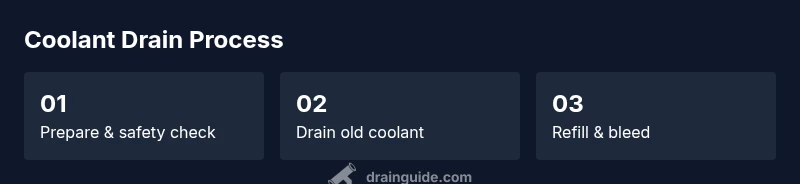
You’ll locate the drain plug or petcock, place a drain pan, open the drain to let old coolant flow out, and then open the reservoir to vent air and speed drainage. If you plan a flush, you’ll run small amounts of cleaner through the system and drain again. Finally, you’ll reinstall plugs, refill with new coolant, and bleed the system to remove air pockets.
Post-drain steps: refill, bleed, and test
After draining, mix the coolant to the vehicle’s specification, pour slowly into the reservoir, and bleed air by running the engine with the radiator cap off until steady flow and no air bubbles appear in the reservoir. Re-check levels at the coolant recovery tank and top up as needed. Start the engine and monitor for leaks and overheating.
Common mistakes and how to avoid them
Avoid mixing coolant types, skipping the bleed step, or neglecting proper disposal. Do not reuse old coolant; it loses efficiency and can clog passages. Keep a clean work area and wipe up any spills immediately to prevent slips and environmental harm.
Environmental and disposal best practices
Always dispose of used coolant at an authorized facility. Used coolant is hazardous to animals and water sources; never dispose of it with household waste. Transport it in a sealed container and follow local regulations for disposal or recycling.
Tools & Materials
- Vehicle owner's manual(Identify correct coolant type and drain locations per manufacturer guidance.)
- Drain pan (minimum 5–7 liters)(Place under drain location to catch old coolant.)
- Wrench set or socket set(Loosen drain plug or hose clamps; size depends on vehicle.)
- Screwdrivers (flat and Phillips)(Loosen hose clamps and access ports.)
- Pliers(Release hose clamps and grips securely.)
- Funnel(Helpful for pouring new coolant into reservoir.)
- Protective gloves and safety goggles(Chemically resistant PPE to prevent skin/eye exposure.)
- New coolant (correct type and mix ratio)(Buy the exact coolant specified by the manual; prepare the correct mixture.)
- Distilled water (optional for flushing)(Used if performing a flush or dilution as advised by manual.)
- Coolant-safe disposal container or recycling bag(Contain and transport used coolant responsibly.)
Steps
Estimated time: 60-90 minutes
- 1
Prepare the vehicle and workspace
Park on a flat surface and allow the engine to cool completely. Engage the parking brake, disconnect the battery if recommended by the manual, and gather all tools and a drain pan. This initial setup prevents accidents and ensures smooth access to the drain port.
Tip: Double-check that the engine is cold before touching coolant components. - 2
Locate drain point and vent path
Find the radiator drain plug or petcock and identify any bleed ports to vent air during draining. If your car uses a heater core drain or a block drain, consult the manual for exact locations. Proper identification prevents incomplete draining and air pockets.
Tip: Take photos of ports before disconnecting so you can reassemble correctly. - 3
Position the drain pan and ready the system
Place the drain pan directly under the drain plug. If there is a radiator hose, have a clamp or hose ready to control flow. Ensure you can safely reach the drain without spillage onto hot components.
Tip: A secondary tray can catch drips from hoses and clamps. - 4
Open the drain and let coolant flow
Carefully loosen the drain plug or clamp to allow old coolant to flow into the pan. Release gradually to avoid splashes and observe the flow rate. If you have a closed system, you may need to open the radiator cap after allowing the system to vent.
Tip: Do not open a hot drain, which can cause burns and steam burns. - 5
Vent and drain the remaining coolant
Open the reservoir cap or pressure-relief valve to vent air and speed drainage. Some vehicles require running the engine slightly to dislodge air pockets—follow the manual for timing. This step helps ensure you drain as much coolant as possible.
Tip: Vent balloons may occur; keep hands and face clear. - 6
Flush the cooling system (optional)
If you plan a flush, run a coolant cleaner through the system per product directions, then drain again. Rinse with distilled water and drain once more. Flushing helps remove sediment and improves cooling efficiency.
Tip: Do not run a flush more than the product recommends. - 7
Refill with new coolant
Mix coolant to the exact ratio stated by the vehicle manufacturer and pour slowly into the reservoir using a funnel. Stop occasionally to check for spills and maintain the correct level.
Tip: Use a clean container to avoid introducing contaminants. - 8
Bleed air and test for leaks
Start the engine with the radiator cap off and monitor the coolant level as air bubbles disappear. Refill as needed and check around hoses and the drain plug for leaks. Once stable, tighten the drain plug and recap the system.
Tip: Avoid running the engine long if you detect leaks; address promptly. - 9
Clean up and disposal
Wipe up spills immediately and seal the used coolant in a labeled container for recycling. Do not pour coolant down the drain or onto soil. Dispose through an appropriate facility or shop.
Tip: Label the container clearly and keep it away from children and pets.
Got Questions?
Is it safe to drain coolant myself, or should I hire a professional?
Drain coolant as a DIY step-by-step task is possible for many vehicles if you follow the manufacturer’s guidelines and observe safety precautions. If you’re unsure or the system shows complex components, consult a professional. Always wear PPE and work calmly to minimize spills and burns.
Yes, you can drain coolant yourself if you follow the steps carefully and wear proper protective gear.
What coolant type should I use after draining?
Use the coolant type and mixture recommended by your vehicle’s manual. Mixing different coolant types can cause gelling, deposits, and cooling inefficiency.
Use the exact coolant type and ratio your manual specifies.
How should I dispose of used coolant?
Used coolant must be recycled at an approved facility or automotive shop. Do not pour it down the drain, onto the ground, or into the trash. Store it in a sealed, labeled container until you drop it off.
Dispose of used coolant at a licensed recycling facility and never pour it on the ground.
Do I need to flush the entire cooling system?
A coolant flush is optional and depends on coolant condition and manufacturer recommendations. If you do flush, follow product directions and ensure you drain and rinse thoroughly.
A flush is optional; follow your manual if you choose to do it.
What are signs of trouble after draining and refilling?
Look for persistent leaks, overheating, milky oil indicating gasket damage, or low coolant levels after a full cycle. If any occur, stop driving and inspect or seek help.
Watch for leaks or overheating after fill and have it checked if symptoms continue.
Watch Video
The Essentials
- Plan ahead with the right tools and coolant type
- Drain and vent safely to avoid burns and spills
- Bleed air fully and test for leaks after refill
- Dispose of coolant responsibly at a licensed facility