When Not to Use Drain Cleaner: A Homeowner's Guide to Safe Clogs Solutions
Learn when not to use drain cleaner, common hazards, and safer methods for clearing clogs. Practical guidance for sewer-safe DIY fixes and professional help.


Using chemical drain cleaners is often unnecessary and risky. You should avoid them when you have PVC or older metal pipes, a suspected septic or sewer issue, a clog caused by non-organic items that may require mechanical removal, or a recurring clog that resists safer methods. In these cases, safer methods should be explored first and a professional consulted if needed.
Why not to use drain cleaners in certain scenarios
Chemical drain cleaners are powerful, but they’re not appropriate for every clog or every home. The guidance on when not to use drain cleaner is important for protecting plumbing and your family. Here are the main scenarios homeowners should consider before reaching for a bottle: PVC or older metal pipes, a suspected septic or sewer issue, a clog caused by non-organic items, or a recurring clog that resists safer methods. Understanding these cases helps you avoid costly damage and unsafe exposures.
- Old or improper pipe materials (PVC can crack, metal pipes can corrode) may be damaged by harsh chemicals.
- Septic or sewer problems can be worsened by chemical cleaners that disrupt beneficial bacteria.
- Clogs caused by non-organic items (wipes, napkins) or hardened grease may require mechanical removal rather than chemicals.
- Frequent or stubborn clogs often signal venting problems, broken pipes, or building-wide drainage issues needing expert attention.
If you’re unsure, start with non-chemical methods and seek professional help for persistent issues to protect your home.
Safer alternatives to chemical drain cleaners
Safer methods can clear many clogs without risking pipe damage or exposure to harsh chemicals. Start with mechanical options like plungers and hand augers, then consider enzyme-based products that target organics without aggressive acids or caustics. Hot water flushing from a faucet or kettle can help clear light grease buildups when used carefully. Regular maintenance, such as strainers and hair catchers, prevents recurring clogs.
- Mechanical methods: plunger first, then a drain auger if needed.
- Enzyme-based cleaners: safer for pipes and septic systems, slower-acting but effective for organic buildup.
- Hot water flush: a gentle option for routine grease and soap scum, never using boiling water on PVC if it’s brittle.
- Prevention: screen drains, avoid pouring fats or fibrous scraps down disposal, and schedule regular maintenance.
When used correctly, these approaches reduce risk while keeping drains flowing smoothly.
Understanding pipe materials and why that matters
Pipe age and material influence how you should approach a clog. PVC pipes tolerate certain cleaners but can crack under aggressive chemicals, while older galvanized metal can corrode or develop pinhole leaks if exposed to harsh compounds. Septic systems also react to chemical cleaners, potentially killing the beneficial bacteria that keep solids breaking down. Knowing your home’s plumbing makeup helps you choose safe methods and avoid tempting but damaging shortcuts.
- PVC is common in modern homes but can crack under repeated exposure to strong solvents.
- Galvanized steel and older copper can corrode, leading to leaks or reduced flow.
- Septic systems rely on bacterial action; harsh chemicals can disrupt this balance.
- If you’re unsure of pipe material, consult a professional before using strong cleaners.
Correct assessment prevents costly repairs later.
Recognizing signs that chemical cleaners are not the right choice
Not every clog is a candidate for chemical treatment. Signs that a cleaner may not be appropriate include clogs affecting multiple fixtures, slow drainage across the entire home, strong chemical odors, or backups that suggest a sewer line issue. Visual clues like corroded metal pipes, old plumbing joints, or repeated clogs after using cleaners are red flags. In these cases, mechanical methods or professional inspection is safer than chemical use.
- A home-wide slowdown indicates a broader drainage problem.
- Backups or gurgling in multiple traps suggest sewer line issues rather than a single blockage.
- Strong chemical odors can signal improper mixing or reaction products that require ventilation and cleanup.
- Old or damaged pipes increase the risk of leaks or catastrophic failure when cleaners are used.
If any of these signs appear, pause chemical usage and pursue mechanical clearing or a professional evaluation.
How to use drain cleaners safely if you must
If you absolutely must use a drain cleaner, follow the label exactly and prioritize safety. Ensure good ventilation, wear gloves and eye protection, and never mix different cleaners. Use the smallest effective amount and avoid contacting skin. After treatment, flush the line with plenty of water to clear residues and monitor for renewed drainage issues. If the problem persists, stop and seek professional help rather than repeating chemical applications.
- Read and follow product directions without improvising.
- Ventilate the area and wear PPE (gloves, goggles).
- Do not mix products; this can create dangerous gases.
- Use the minimum effective amount and flush with water after treatment.
- If you’re unsure about the outcome, stop and consult a professional.
Non-chemical methods that work for common clogs
For many common clogs, non-chemical approaches are effective and safer for both people and pipes. Mechanical methods often succeed where chemicals fail, and they avoid harmful discharge. Techniques include physical removal of hair and debris from traps, using a plunger with proper technique, and employing a drain auger for deeper blockages. Regular maintenance reduces future buildups significantly.
- Clear the trap and remove visible debris to restore flow.
- Use a plunger with a seal and controlled, vertical strokes.
- If needed, insert a drain snake carefully and rotate to break up the clog.
- Clean the trap after clearing to prevent residual buildup.
When to call a professional
If you’re unable to clear the clog after a cautious, methodical attempt, seek professional help. A licensed plumber can assess sewer line health, venting, and pipe integrity, and they can use specialized tools to clear stubborn blockages without damaging pipes. If multiple fixtures are slow or back up, or you notice gurgling sounds or foul odors, call a pro promptly to prevent costly water damage or sewer problems.
- If self-help attempts fail after reasonable effort, contact a professional.
- Consider potential sewer line issues or venting problems that require inspection.
- Avoid repeated chemical treatments; they can mask deeper problems.
Environmental and home safety considerations
Chemical drain cleaners can pose environmental and health risks if misused. Spills, splashes, or improper disposal can harm household members and ecosystems. Septic systems can be disrupted by certain formulations, reducing their effectiveness. Always store cleaners safely, out of reach of children, and avoid mixing with other cleaning products to prevent toxic gases.
- Store products in a secure, ventilated area away from kids and pets.
- Never mix cleaners with bleach, ammonia, or other solvents.
- Consider eco-friendly alternatives when possible to minimize environmental impact.
- If you have a septic system, prefer enzyme-based products or mechanical methods over harsh cleaners.
Maintenance and prevention to avoid future clogs
Prevention is the best cure for drain issues. Implement a simple routine that protects your drains from buildup and blockages. Use screens on sinks and the shower to catch hair and solids. Avoid pouring grease down the drain; let it cool and solidify before disposing in the trash. Run hot water after using the garbage disposal or cleaning dishes, and perform periodic flushes with hot water or a mild enzyme-based cleaner to maintain flow.
- Install drain screens on all sinks and showers.
- Pour fats and oils into the trash, not the sink.
- Run hot water regularly to prevent soap scum buildup.
- Schedule periodic enzyme-based maintenance to keep organics at bay.
Regulation and labeling you should know
Regulatory labeling on cleaners informs you about hazards, safe usage, and disposal. Look for products with explicit safety warnings, recommended PPE, and clear instructions. Be cautious of products that promise rapid results with aggressive chemicals; safer, slower-acting options can achieve similar outcomes with less risk. Always check local disposal guidelines for chemical waste.
- Read hazard statements and first-aid measures on the label.
- Follow disposal instructions to minimize environmental impact.
- Choose products designed for your pipe material and septic system compatibility.
- Keep a copy of the product label in case you need guidance later.
toolsMaterials_quickBlock_explanation_needed_for_json_missing?":true?},
Tools & Materials
- Plunger(Classic first-line tool for many clogs with a proper rubber cup.)
- Drain Snake / Auger(Flexible tool to reach deeper blockages; use carefully to avoid pipe damage.)
- Bucket(Catch water and debris during clearing.)
- Rubber gloves(Protect hands from contamination and splash.)
- Goggles(Eye protection recommended for splash risk.)
- Flashlight(Better visibility under sinks or behind appliances.)
- Enzyme-based cleaner(Safer alternative for routine maintenance; label-specific use.)
- Old towels or rags(Contain spills and protect surfaces.)
Steps
Estimated time: 45-90 minutes
- 1
Identify the clog and assess risk
Examine visible signs of the clog and determine whether it affects a single fixture or the whole drain system. Note whether you see standing water, odors, or backups in multiple fixtures, as these details guide your approach and safety precautions.
Tip: Document what you observe with photos for reference if you decide to seek professional help later. - 2
Prepare the workspace and safety gear
Clear the area, place towels to catch spills, and put on gloves and eye protection. Having a clean, well-lit workspace reduces the chance of slips and splash injuries.
Tip: Ventilate the space by opening a window or turning on a vent fan before any work begins. - 3
Try a mechanical clearing first
With the sink or drain open, use a plunger to apply pressure with firm, even strokes. If the clog resists, switch to a drain auger and rotate gently to avoid harming the pipe.
Tip: Maintain a tight seal around the drain to maximize suction efficiency. - 4
Decide if a cleaner is truly necessary
If you consider a chemical cleaner, read the label carefully and prepare to follow all safety and dilution instructions. Ensure the space is ventilated and no children or pets are nearby.
Tip: Use the smallest effective amount and never mix cleaners with other products. - 5
Rinse and re-test the drain
Flush the line with plenty of water after treatment to clear residues. Re-test by running water to confirm improved flow. If the drain remains slow, stop and seek professional help.
Tip: Avoid repeating chemical treatments in quick succession; repeated applications can damage pipes. - 6
Clean up and evaluate next steps
Wipe surfaces, safely dispose of any used materials, and review prevention steps to reduce future clogs. If issues persist, schedule a professional inspection to prevent damage.
Tip: Consider preventive measures like screens and greases disposal to minimize future blockages.
Got Questions?
When should I avoid using drain cleaners entirely?
Avoid cleaners if you have septic system concerns, pipe materials that may react to chemicals, or clogs affecting more than one fixture. In these cases, mechanical clearing or professional assessment is safer.
Avoid cleaners when you have septic concerns, multiple fixtures, or fragile pipes.
Can drain cleaners damage pipes or septic systems?
Yes. Chemical cleaners can corrode pipes, degrade seals, and disrupt septic bacteria. This can lead to leaks or reduced septic function over time.
Yes, cleaners can damage pipes and septic systems.
What are safer alternatives to chemical drain cleaners?
Mechanical methods like plungers and augers, plus enzyme-based cleaners, hot water flushes, and preventive measures such as screens, are safer options for many clogs.
Mechanical methods and enzyme cleaners are safer alternatives.
Is it safe to use drain cleaners with a septic system?
Most chemical cleaners are not ideal for septic systems; they can disrupt bacteria. Use non-chemical methods or enzyme-based products designed for septic-friendly use.
Better to avoid chemical cleaners with septic systems; prefer non-chemical or enzyme products.
When should I call a professional for a clog?
If the clog persists after safe, methodical attempts or involves multiple fixtures, backflow, or sewer odors, a licensed plumber should evaluate the situation.
Call a professional if the clog won’t clear or you notice sewer odors.
Watch Video
The Essentials
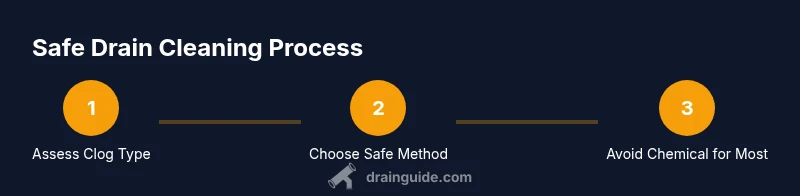
- Assess the clog before acting
- Prioritize non-chemical methods first
- Avoid mixing cleaners or using on sensitive pipes
- Call a professional if the clog persists across fixtures