How to Clean a Kitchen Drain with Baking Soda
Master a safe, effective DIY method to clean a kitchen drain using baking soda. This guide covers prep, step-by-step technique, safety tips, and maintenance for clear drains.


To clean a kitchen drain with baking soda, you'll use a simple, chemical-friendly DIY method that clears grease and buildup. Start by boiling water and flushing the drain, then pour 1/2 cup baking soda into the drain. Add 1 cup vinegar (optional), wait 15 minutes, and flush with another pot of hot water. Repeat if needed for stubborn clogs.
The science behind clean kitchen drain with baking soda
Baking soda, or sodium bicarbonate, is a gentle alkali that helps soften and dislodge grease, soap scum, and organic buildup that line kitchen drains. When mixed with hot water, it becomes a mild abrasive that helps scrub away residues without harsh chemicals. If you choose to add vinegar, you create a fizzing reaction that can lift smaller blockages and deodorize the pipe surface. This approach is particularly appealing for homeowners who want a cost-effective, low-toxicity method that minimizes chemical exposure in the home. Drain systems differ, but most PVC and metal pipes tolerate baking soda well when used as directed. For drains that routinely clog, this routine supports maintenance rather than heavy-duty repair. Remember, consistency is key: regular, gentle cleanings prevent buildup more effectively than sporadic, aggressive attempts.
Benefits of baking soda for kitchen drains
Baking soda offers several practical benefits for kitchen drains. It helps break down grease and soap scum that cling to the inside of pipes, reduces foul odors by neutralizing acids, and is widely available at low cost. Because it is relatively mild, baking soda is safer for households with children and pets compared to strong chemical drain cleaners. It also poses fewer environmental concerns, especially when used as part of a regular maintenance routine. When paired with hot water, it can flush loose material through the trap and into the main waste line, improving overall drainage flow. For many DIYers, this method is a reliable first line of defense against slow drains and minor clogs.
Safety considerations and why it's DIY-friendly
This technique is generally safe for typical residential plumbing, but it does require sensible precautions. Never mix baking soda with bleach or other household cleaners, as dangerous gases can form. Always wear gloves if you have sensitive skin, and keep children and pets away from the work area. Use caution when handling boiling water to prevent burns. If you have an older or unfamiliar pipe material, perform a small patch test by applying the baking soda slurry and watching for any adverse reaction. If you notice significant leaks, corrosion, or unusual odors, stop and consult a licensed plumber. The method is DIY-friendly because it relies on common household materials and does not require specialized tools.
Before you start: gather supplies and prep your space
Preparation is essential for a smooth cleaning session. Clear the countertop around the sink, place an old towel or bucket to catch splashes, and ensure you have a heat-safe container for boiling water. If you use vinegar, measure a standard cupful and have it ready, but remember that it is optional. Keep a clear path to the drain and avoid mixing chemicals. For those with septic systems, this approach is generally compatible as long as you avoid introducing large quantities of non-biodegradable materials and always follow up with plenty of clean water.
How baking soda interacts with grease and soap residues
Grease is sticky and tends to cling to pipe walls, while soap scum forms a film that traps debris. Baking soda helps to loosen these layers when heated, allowing water to push them through the trap more effectively. The alkaline nature of baking soda can also reduce odors by neutralizing acidic compounds produced by decomposing organic matter. This makes it not only functional but also pleasant for a kitchen environment. For stubborn residue, combine with hot water for added flushing power.
The role of vinegar: fizz, and when to use it safely
Vinegar can be a helpful companion to baking soda, creating a fizzing reaction that helps lift matter from the pipe interior. If you choose to use vinegar, splash 1 cup into the drain after adding baking soda, then cover the drain to contain the foam. Allow the mixture to fizz for about 5-15 minutes before pouring in hot water. Do not mix vinegar with bleach or other cleaners, as dangerous gases can form. If you prefer a purely baking-soda approach, you can skip vinegar entirely and still achieve meaningful results.
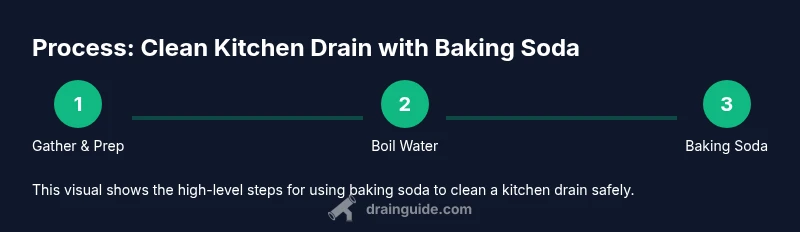
Step-by-step overview for using baking soda to clean drains (high-level)
- Start with hot water and a careful flush to loosen loose debris.
- Pour baking soda into the drain gradually to avoid splashing.
- If using vinegar, add after baking soda for a fizzing effect, then wait.
- Rinse with hot water to push deposits through the system.
- If the drain remains slow, repeat once or consider mechanical assistance.
These steps form a safe, repeatable routine that supports ongoing drain health without harsh chemicals.
Common issues and how to troubleshoot
Not all clogs respond to baking soda. If you notice a strong odor but little drainage improvement, the blockage may be deeper in the pipe or caused by a more substantial accumulation. A clogged p-trap or a buildup in the waste line often requires mechanical cleaning (a drain snake) or professional help. If you detect leaks or unusual noises after a cleaning attempt, stop and reassess. Regular maintenance, rather than one-off solutions, yields the best long-term results.
Maintenance routines to keep drains clear
Establish a monthly maintenance ritual that includes a warm water flush and a modest baking soda treatment. This practice reduces the likelihood of grease and soap buildup, prevents odors, and promotes smoother flow. Keep a simple log of cleaning dates to track durability and plan reminders. Pair this routine with proper disposal habits—scrape grease into the trash, not the sink—and consider a quarterly vinegar flush if odors persist, always ensuring thorough rinsing with fresh water afterward.
When to call a plumber or consider professional cleaning
If repeated baking soda sessions fail to restore normal drainage, the problem likely lies beyond routine buildup—such as a deeper pipe obstruction, a damaged trap, or improper venting. In such cases, a licensed plumber can perform a camera inspection, diagnose the root cause, and provide targeted solutions. Don’t delay professional help if you experience persistent backups, gurgling sounds, or sewage odors that return after attempts at DIY cleaning.
Tools & Materials
- Boiling water(Have at least 2-3 quarts ready; use caution to prevent burns.)
- Baking soda(1/2 to 1 cup depending on drain length and blockage severity)
- White vinegar(Optional for fizz and deodorizing; avoid mixing with bleach)
- Measuring cup(A 1-cup measure for baking soda)
- Gloves(Protect hands from splashes)
- Old towel or bucket(Catch splashes and keep the area dry)
- Drain snake or plunger(Useful if gentle methods fail)
Steps
Estimated time: 30-45 minutes
- 1
Gather and prep
Collect all materials and clear the workspace. Place a towel or bucket under the sink to catch spills. Confirm you have access to boiling water and safety gear before you start.
Tip: Lay a towel to protect the counter and have a water source ready. - 2
Boil water and flush
Boil water in a kettle or pot and carefully flush the drain to loosen surface residue. A hot initial flush helps soften grease and soap scum.
Tip: Use a heat-safe container and avoid splashes on skin. - 3
Add baking soda
Slowly pour 1/2 to 1 cup baking soda into the drain, aiming for the trap area. The dry powder helps lift greasy buildup as it contacts hot water.
Tip: Pour gradually to minimize splashes and ensure even distribution. - 4
Optionally add vinegar
If using vinegar, pour 1 cup into the drain after baking soda. Let it fizz for 5-15 minutes, then cover the drain to keep the reaction contained.
Tip: Avoid mixing with other cleaners to prevent harmful gases. - 5
Rinse with hot water
Flush the drain again with hot water for 60-90 seconds to push deposits through the pipe.
Tip: A thorough rinse helps prevent immediate resettling of debris. - 6
Assess results
Check if drainage improved. If water still drains slowly, repeat once or consider mechanical aid if allowed.
Tip: Do not overdo the baking soda dose—stick to recommended amounts. - 7
Optional mechanical aid
If the clog persists, use a drain snake or plunger to clear the remaining blockage cautiously.
Tip: Rotate the snake slowly and stop if you meet resistance. - 8
Cleanup and maintenance
Wipe surfaces, store materials, and note the date of cleaning for future reference. Consider a monthly routine to prevent buildup.
Tip: Regular maintenance reduces the need for drastic measures.
Got Questions?
Is baking soda safe for septic systems?
In most homes, baking soda is safe for septic systems when used in moderation as part of a maintenance routine. Do not overdo it and always follow up with plenty of water to keep the system balanced.
Baking soda is generally safe for septic systems if used in moderation and followed by lots of water.
Can baking soda damage pipes?
Baking soda is mild and unlikely to damage standard PVC or metal pipes when used as directed. Aggressive use or mixing with other cleaners can cause issues, so stick to the recommended amounts and avoid harsh combinations.
It's generally safe for common pipes when used properly, but avoid mixing with strong chemicals.
Will baking soda remove hair clogs?
Baking soda helps with grease and soap scum but is not a guaranteed fix for hair clogs. If hair is the primary blockage, a mechanical tool like a drain snake may be required.
Baking soda helps with grease, but hair clogs may need a snake.
How many times should I repeat this method?
If the drain remains slow after the first cycle, repeat once more. Do not repeat indefinitely; persistent clogs may indicate a deeper issue.
If it’s still slow after one try, you can repeat once, but seek help if it doesn’t clear.
Can I use baking soda with bleach or other cleaners?
No. Mixing baking soda with bleach or ammonia produces dangerous gases. Use baking soda with water or optionally with vinegar, but never mix with bleach.
Don't mix baking soda with bleach or ammonia; it can be dangerous.
Watch Video
The Essentials
- Use baking soda as a safe, DIY-friendly drain cleaner.
- Hot water is essential for flushing residues.
- Vinegar is optional but can aid in grease removal.
- If clogs persist, consider mechanical tools or a plumber.
- Maintain drains monthly to prevent buildup.