Drain Field Cleaning: A Practical Guide for Homeowners
Learn how to assess, plan, and safely perform drain field cleaning for septic systems. This guide covers signs of field trouble, preventative care, and when to involve a professional.


Drain field cleaning helps restore septic performance by removing accumulated solids and reducing hydraulic stress on the soil. In this guide, you’ll learn how to identify when cleaning is needed, what safety precautions to take, and the basic steps you can perform—or prepare for—before calling a pro. Essential prerequisites include access to the field, a functioning pump, and awareness of local regulations.
Understanding Drain Field Cleaning and Septic Drainage
Your drain field is the final stage of a septic system where liquid effluent is dispersed into the soil. Drain field cleaning refers to the maintenance actions that reduce solids buildup, prevent clogging of soil pores, and restore proper drainage. This process is not a substitute for regular septic pumping, but a complementary step that helps protect soil structure and groundwater quality. When done correctly, drain field cleaning minimizes gurgling, slow drainage, and mysterious wastewater odors. It also lowers the risk of overland wastewater surfacing after heavy rains. In rural and urban settings alike, understanding how your field works helps you choose safe, effective maintenance strategies and avoid unnecessary chemical treatments. Drain field cleaning is most effective as part of a broader maintenance plan that includes regular pumping, water-use awareness, and periodic inspections. Use this guide to learn when cleaning is appropriate, what to expect, and how to coordinate with licensed professionals.
Signs Your Drain Field Needs Cleaning
Watching for early signs can prevent a full system failure. Persistent wet spots above the drain field, a noticeable sewage odor in the yard, slow drainage in sinks and toilets, or gurgling sounds in pipes can indicate excessive solids or poor infiltration in the soil. If you notice surface dampness after a rainfall, or your leach bed has lush vegetation that seems unhealthy, these can be clues to consider a drain field cleaning. Keep in mind that these symptoms may also point to other septic problems, so paired diagnostics such as a septic-tank inspection, soil tests, and a professional assessment are wise. Regular inspections by a licensed pro help confirm whether a cleaning is needed rather than relying on odor alone. Addressing issues early reduces risks to groundwater and minimizes costly repairs later.
Safety, Planning, and Regulatory Considerations
Drain field cleaning involves working around potentially hazardous waste and heavy equipment. Before you start, verify that your local health department requires permits or notifications for maintenance work on septic systems, and ensure contractors are licensed. Protective gear—gloves, eye protection, and sturdy clothing—reduces exposure to contaminated materials. Mark off the work area, restrict access, and plan for wastewater containment to avoid runoff. If you live in a flood-prone area, coordinate with professionals to avoid contamination during wet seasons. Always discuss discharge options with the hauler or service provider and follow label directions for any cleaning products used. Document the service visit for future reference and compliance checks.
DIY vs Professional: Making the Right Call
Some aspects of drain field cleaning can be supervised by a knowledgeable homeowner, such as prepping the site or helping coordinate pump-out. However, many tasks require a licensed septic contractor or hauler, especially when pumping the tank, inspecting the distribution system, or performing soil evaluations. DIY actions that involve entering the tank or altering groundwater flow can be dangerous and are generally not recommended. When in doubt, schedule a professional assessment before proceeding. A pro brings equipment, permits if needed, and regionally specific guidance that minimizes risk to your family and the environment.
Non-Chemical Approaches to Reduce Buildup and Extend Field Life
Preventive habits play a major role in delaying the need for cleaning. Reduce water usage during peak times, install water-saving fixtures, and spread out high-flow activities to avoid overwhelming the septic system. Avoid flushing solids, grease, and non-degradable items that contribute to solids accumulation in the tank and field. Use septic-safe products and limit yard irrigation near the field, which can saturate the soil and hinder infiltration. Regularly inspect your drains for warnings like backups and slow drainage. A well-structured maintenance plan, aligned with a local septic professional, helps you minimize cleaning frequency while preserving soil health and groundwater quality.
What to Expect During and After a Cleaning Service
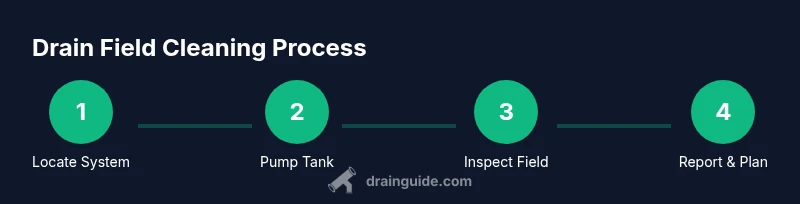
A typical drain field cleaning sequence starts with pumping the septic tank to remove accumulated solids, followed by a site assessment of the distribution network and soil saturation. If the field shows signs of failure, repairs or replacement may be discussed. Many clients notice improvements in drainage within days after the service; however, soil recovery can take longer depending on weather and soil type. The contractor should provide a written report detailing findings, work performed, and any recommended follow-up. Aftercare often includes watching for new signs of distress and adjusting water use while the soil re-stabilizes.
Tools & Materials
- Safety gloves(Durable, chemical-resistant; nitrile or rubber preferred)
- Safety goggles(Eye protection against splashes)
- Waterproof boots(Ground near field is often wet and uneven)
- Flashlight/headlamp(Access lids can be dark or obscured)
- Shovel or digging tool(Only if clearing debris near access points)
- Measuring tape(For mapping field features and distances)
- Camera or smartphone(Document system layout and conditions)
- Licensed septic hauler contact(Have vendor info ready for pumping or field inspection)
Steps
Estimated time: 2-3 hours
- 1
Identify the system layout
Begin by locating the septic tank and drain field using as-built plans, old permits, or by hiring a professional to map the system. Mark all access lids and the field boundary so you know where work will occur. Confirm nearby wells, streams, or gardens to assess potential contamination risk.
Tip: Use a concrete marker or spray paint to clearly label each access point for the duration of the project. - 2
Schedule septic tank pumping
Arrange pumping by a licensed septic hauler to remove settled solids before field work. Pumping reduces solids that can clog distribution lines and helps the field infiltrate effluent more evenly. Coordinate timing with weather and any permitting steps.
Tip: Ask the hauler to provide a before/after solids report for your records. - 3
Inspect distribution lines and soil conditions
Have the contractor inspect the distribution pipes, valves, and soil moisture in the field. Look for signs of standing water, cracking, or unusually wet areas that indicate poor drainage. Document observations for future maintenance decisions.
Tip: Take photos from several angles to track changes over time. - 4
Decide on the cleaning approach with a pro
Based on pumping and inspection results, choose an appropriate approach with the contractor. Options may include enhanced filtration, soil aeration strategies, or targeted repairs rather than full-scale field replacement. Rely on professional guidance for safety and effectiveness.
Tip: Avoid DIY chemical treatments that claim to “refresh” a field without professional oversight. - 5
Implement temporary water management
Reduce irrigation and high-water activities near the field during and after cleaning to prevent re-saturation. Space laundry, dishwashing, and showers to avoid overwhelming the system. Proper timing helps the soil reestablish infiltration more quickly.
Tip: Run small, evenly spaced water uses rather than large loads at once. - 6
Post-cleaning performance check
Have the pro re-check drainage after the service to verify improved infiltration. Monitor for residual wet spots, odors, or slow drainage in the days following. Ask for a written report summarizing outcomes and recommended follow-up.
Tip: Keep a maintenance log with dates, observations, and any corrective actions. - 7
Document findings and plan follow-up
Store the service report with system diagrams and pumping records. Schedule the next inspection and pumping per your pro’s guidance to maintain field health and avoid surprise failures.
Tip: Set reminders for annual inspections or every few years as advised by your contractor. - 8
Return to regular maintenance
Once stabilized, continue routine septic care: conserve water, avoid flushing non-degradables, and monitor for changes in drainage. Regular maintenance reduces the likelihood of urgent interventions and keeps the drain field healthy.
Tip: Treat your septic system as a living ecosystem—consistent care pays off.
Got Questions?
What is drain field cleaning?
Drain field cleaning is a maintenance activity that helps remove solids and ensure proper soil infiltration in the drain field portion of a septic system. It is typically performed alongside septic pumping and site inspections to prevent clogging and groundwater contamination.
Drain field cleaning is a maintenance step to keep the drainage area working properly by reducing solids and improving soil infiltration.
Can I perform drain field cleaning myself?
Some tasks, like coordinating pumping and preparing the site, can be done under supervision. However, many critical tasks—pumping, field inspection, and soil evaluation—require a licensed septic professional to ensure safety and prevent environmental harm.
Some prep work can be DIY, but pumping and field evaluation should be done by a licensed pro for safety and effectiveness.
How long does drain field cleaning take?
The duration depends on the size of the system and the extent of work. Simple maintenance can take a few hours, while comprehensive inspections and repairs may span a day or more.
It usually takes a few hours for routine cleaning, but larger or complicated systems can take longer.
What are the risks of postponing drain field cleaning?
Delaying maintenance increases the chance of sudden field failure, groundwater contamination, and expensive repairs. Early signs of distress should prompt professional assessment.
Putting it off can lead to bigger problems later and higher repair costs.
How often should I schedule maintenance?
A professional will tailor a schedule based on usage, tank size, and soil conditions. Regular inspections and pump-outs help catch problems early.
Your pro will suggest a maintenance rhythm based on your system and usage.
Watch Video
The Essentials
- Identify signs early to avoid costly failures
- Prioritize safety and professional guidance
- Coordinate pumping and field work for best results
- Maintain a regular service schedule to protect soil health