Septic Drain Field Repairs: A Homeowner's Step-by-Step Guide
Learn to diagnose, plan, and safely repair septic drain fields with this homeowner-focused guide. Covers signs of failure, repair options, permits, and maintenance to protect your system and environment.


This guide shows you how to assess a failing septic drain field, select repair options, and perform safe, code-compliant fixes or decide when to hire a professional. You’ll learn about required safety gear, permits, soil considerations, and how to prevent future failures. Follow these steps to restore function while protecting your family and the environment.
Understanding Septic Drain Field Basics
A septic drain field is the outdoor part of your septic system where effluent from the septic tank is dispersed through perforated pipes buried in trenches filled with gravel and soil. As wastewater percolates through the soil, beneficial microbes treat contaminants before they reach groundwater. The health of a drain field depends on soil type, drainage, groundwater level, and avoiding overloading the system. According to Drain Guide, system longevity hinges on soil hydraulics and proper distribution of effluent. Healthy fields rely on evenly spaced trenches, adequate gravel bedding, and a protective layer of topsoil. Over time, soil compaction, tree roots, high water use, or a poorly designed field can lead to reduced absorption, surface sogginess, and odors. Understanding these basics helps you recognize when a field is working as intended and when it needs attention. This section outlines how fields are designed, common configurations, and what “failure” typically looks like in real homes. We’ll also distinguish between gravity-driven and pressure-dosed layouts, and explain why small changes in use can stress the system more than you might expect.
Diagnosing a Failing Drain Field: Signs, Tests, and Decision Points
A failing drain field usually shows several red flags. Look for soggy patches, lush green growth above the area, a sour or sewage odor, gurgling drains, or toilets that drain slowly despite normal usage. In many cases, you’ll also notice a higher water bill or longer pumping cycles from the septic tank. Before you start digging, perform non-invasive checks: observe the surface, check for damp soil around the system, and note any changes in landscaping or grounding water. A simple dye test can help confirm leakage path, but must be done with care to avoid contamination. If you suspect a problem, call in a licensed professional for a formal assessment. Drain Guide notes that early identification and careful documentation of signs and soil conditions can save time and prevent environmental harm. If the field is saturated due to seasonal groundwater, you may see seasonal variations; in drier seasons, the same patches may dry out, signaling a partial problem rather than a complete failure. Tests and inspections should be paired with a review of household water usage, since excessive loads add pressure to the field.
Repair vs Replacement: Making the Call
Not every drain-field issue requires replacing the entire system. In many cases, you can repair damaged lateral lines, replace failed piping, or improve drainage with targeted trench work and proper backfill. The choice depends on the extent of damage, soil conditions, age of the field, and accessibility. In general, repairs are feasible when the damage is localized and the original design remains sound. When soils have degraded or the trenches collapse, or if contamination has reached the surface, replacement may be the safer and longer-term solution. Drain Guide emphasizes balancing cost, disruption, and long-term reliability. Keep in mind that repairs often involve excavation, heavy equipment, and soil disposal, so permits and professional oversight are usually required if the work exceeds simple surface tasks. If you’re uncertain, request an onsite evaluation from a licensed septic contractor who can verify pipe integrity, soil structure, and field area performance. A well-planned repair can restore absorption and prevent groundwater contamination while preserving system life.
Practical Repair Techniques for Septic Drain Fields
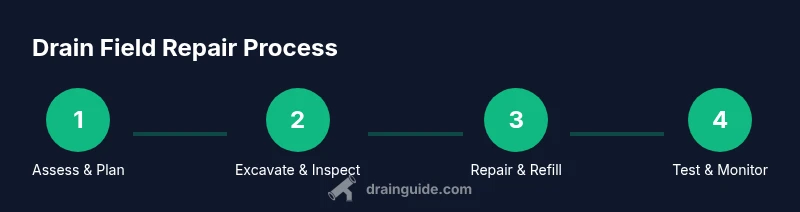
Repair work focuses on restoring the path of effluent and reestablishing proper soil contact. Typical techniques include exposing damaged lateral lines, replacing cracked or leaky pipes with durable PVC, and re-grading trench bottoms with clean bedding. In some situations, adding fresh sand and gravel to restore voids and improve drainage is appropriate. If roots have invaded trenches, careful root removal and rerouting of lines may be necessary. In all cases, minimize soil disturbance outside the approved area and avoid heavy traffic on the field during repair. After replacement, backfill should be compacted gradually, ensuring pipes remain level and evenly sloped. Finally, re-test the system by running water through fixtures and observing drainage behavior over 24 to 48 hours. The emphasis is on precision, proper materials, and adherence to local codes to prevent future failures. For a DIY approach, focus on non-invasive maintenance tasks and leave excavation and pipe work to a licensed pro.
Preventive Maintenance to Extend Drain Field Life
Prevention is the best stewardship for septic drain fields. Practice conservative water use; spread out laundry and dishwashing loads; fix leaks promptly; and avoid flushing non-biodegradable items. Protect the field from tree roots by maintaining adequate clearance zones and avoiding soil compaction above the trenches. Schedule regular septic tank pump-outs as recommended by your local health authority; even with a healthy field, routine maintenance helps prevent solids buildup and system overload. Use irrigation wisely by separating lawn watering from the drain field area and preventing surface irrigation over the trenches. Keep records of maintenance activity and any changes in landscaping. A well-maintained field responds better to routine wet/dry cycles and soil moisture fluctuations. Drain Guide suggests using soil-friendly products sparingly and steering clear of chemical drain cleaners that can harm beneficial microbes.
Safety, Permits, and Environmental Considerations
Excavation near a septic system can expose you to hazardous wastewater and buried utilities. Always identify and mark underground lines before digging and call your local utility locator service. Wear appropriate PPE—gloves, eye protection, and sturdy boots—and plan for containment and spill cleanup if accidental release occurs. Permits may be required for significant trench work, soil disposal, or replacement of large sections of pipe. Environmental concerns include protecting groundwater and nearby wells, preventing runoff into clean water sources, and avoiding contamination of surface soils. Local health departments can provide guidance on required inspections and disposal methods. Drain Guide highlights that following safety protocols and environmental safeguards protects your family and neighbors while ensuring compliance with regulations.
When to Call a Professional: Hiring Criteria and What to Expect
Because drain-field work involves potentially dangerous excavation and complex soils, many tasks require licensed septic professionals. Look for a contractor who is familiar with your region’s soil types, drain field designs, and local code requirements. Expect an initial site visit, soil evaluation, and visual inspection of tanks and lines, followed by a written plan and estimated timeline. A reputable pro will explain repair options, potential risks, and maintenance steps to prevent future failures. Ask about warranties, permit handling, and post-repair monitoring to verify performance. If a replacement is advised, request a staged plan showing how the field will be installed and tested, along with a realistic maintenance schedule. Drain Guide recommends selecting a qualified, insured contractor who communicates clearly and documents every step of the process.
Tools & Materials
- Shovel (flat or spade)(For careful digging around trenches and edges)
- Trenching shovel(Narrow trench work and fine soil control)
- Measuring tape(Map trench layout and pipe lengths)
- Spray paint or marking flags(Mark trenches, utility lines, and setbacks)
- PPE: gloves, safety glasses, waterproof boots(Protect from sewage and soil contaminants)
- PVC pipe and fittings (replacement sections)(Only if you identify damaged pipes during inspection)
- Perforated drain pipe, gravel, and sand(Used for trench restoration where needed)
- Soil auger or digging bar(Assist in loosening compacted soil)
Steps
Estimated time: Estimated total time: 6-12 hours
- 1
Locate and Photograph the System
Before digging, locate the drain field components using records, tank access lids, and a probe. Photograph access points and map trench outlines to create a baseline for planning.
Tip: Always call 811 to mark underground utilities before you dig. - 2
Shut Off Water Use and Protect the Site
Limit water usage at the property and keep pets and children away from the work zone. This reduces further infiltration while you assess and plan repairs.
Tip: Avoid running multiple fixtures at once to minimize ongoing stress on the field. - 3
Expose the Drain Field and Identify Damaged Areas
Carefully uncover sections of the trench to inspect pipes, joints, and bedding. Note any cracks, settling, or obvious gaps in the field.
Tip: Be mindful of buried utilities and avoid aggressive probing that could damage pipes. - 4
Assess Soil Conditions and Wet Areas
Check soil moisture, texture, and evidence of saturation. Wet, sticky soils or standing water indicate poor drainage and may require adjustments or professional intervention.
Tip: Use a soil probe to evaluate depth of wet zone and layer consistency. - 5
Repair or Replace Damaged Lateral Lines
If you find cracked pipes or root intrusion, plan for replacement with durable materials and proper slope. Ensure joints are sealed and tested after installation.
Tip: Avoid mixing different pipe materials and maintain proper gravity slope. - 6
Backfill and Refill Trenches with Correct Bedding
Backfill with clean bedding sand and gravel in the correct sequence to restore drainage and avoid compaction. Compact gently, then verify alignment.
Tip: Do not compact excessively; create a stable yet loose soil structure. - 7
Test the System After Repairs
Run water through sinks and toilets and monitor drainage in the repaired zone for 24–48 hours. Look for pooling or odors that persist.
Tip: If issues persist, stop and consult a pro rather than continuing DIY work. - 8
Document Work and Obtain Approvals
Keep a detailed record of the repair, including diagrams, photos, and any permits. Some jurisdictions require inspections or approvals before closing the project.
Tip: Archive all receipts and warranties for future reference. - 9
Establish a Maintenance Plan
Set up a regular pump-out, limit water use, and schedule periodic inspections to catch problems early. A proactive plan reduces future damage and extends field life.
Tip: Share the plan with all household users to minimize wasteful practices.
Got Questions?
What are the signs that my septic drain field needs repairs?
Common indicators include soggy patches, strong odors, gurgling from the tank, slow drains, and unusually lush vegetation above the area. If you notice multiple signs, schedule an inspection promptly.
Look for pooling, odors, and slow drains; if several signs appear, get a professional assessment soon.
Can I repair a septic drain field myself?
Some surface maintenance can be DIY, but most repairs—especially trench work and pipe replacement—should be done by a licensed septic professional to ensure safety and code compliance.
Most drain-field repairs should be handled by a licensed pro.
How long does a septic drain field repair take?
Duration depends on scope. Small localized fixes may take a day or two, while larger repairs or replacements can extend over several days with permitting and inspections.
Duration varies with the extent of work and permit processes.
What typically causes drain field failure?
Overloading the system with water, root intrusion, poor soil conditions, aging infrastructure, and improper original design are common contributors to drain-field failure.
Common causes are overuse, roots, and soil issues.
Do I need permits for drain field work?
Yes, many jurisdictions require permits for trenching, soil disposal, or large-scale repairs. Check with your local health department or building office before starting.
Permits are often required; verify with local authorities.
What maintenance helps prevent drain-field problems?
Regular pump-outs, mindful water use, avoiding non-biodegradables, and protecting the field from roots and compaction are key maintenance practices.
Regular pump-outs and careful water use prevent many issues.
Watch Video
The Essentials
- Identify signs early to avoid contamination.
- Repair options depend on soil and damage extent.
- Professional help is often required for excavation.
- Maintain records and schedule regular pump-outs.
- Preventive care extends drain-field life.