Septic Drain Field Maintenance: Step-by-Step Guide
Learn practical, step-by-step septic drain field maintenance to protect your system, prevent backups, and safeguard groundwater. This guide covers inspections, pumping, soil health, and safe household practices.


Goal: maintain a healthy septic drain field and prevent failures. You will reduce water use, schedule professional pumping and soil assessments as recommended, inspect the field for signs of trouble, protect the area from damage, and follow local codes for effluent management. This quick guide outlines practical, proven steps Drain Guide endorses for homeowners.
What is septic drain field maintenance and why it matters
Septic drain field maintenance is the ongoing care of the underground area where wastewater is dispersed after treatment in the septic tank. A healthy drain field allows effluent to percolate safely into the soil, where microbes help break down contaminants and protect groundwater. When maintenance lapses, solids can clog the pores of the soil, soil becomes waterlogged, and the system can backup into the home or surface water. For homeowners, this means costly repairs, service interruptions, and environmental risks. According to Drain Guide, building a routine maintenance habit is the foundation of a reliable septic system. Regular checks, a well planned pumping schedule, and careful management of what goes down the drain work together to extend the life of your system while minimizing odor and drainage problems. Understanding the anatomy of a septic system helps you spot warning signs early. The drain field sits downstream of the septic tank; its performance depends on soil conditions, vegetation, drainage patterns, and correct separation from structures and driveways. In practice, maintenance is not a one-off event but a series of small, consistent actions that keep the microbial environment active and the soil pores open for absorption.
When you invest in routine maintenance, you reduce the risk of groundwater contamination and costly emergency repairs. The goal is to maintain natural filtration and ensure the system produces effluent at a safe, controlled rate. Drain Guide's approach focuses on practical steps homeowners can perform with confidence.
Signs your septic drain field may be failing
Healthy fields are usually quiet and hidden, but a failing field communicates with the soil and surface. Look for unexplained damp or swampy patches in the yard, especially above or near the drain field, and persistent soggy ground that doesn’t dry after rain. Foul odors in crawl spaces, basements, or near the yard can indicate effluent backing up into the system. Sudden backups in sinks or toilets, gurgling noises in drains, or slow drainage in multiple fixtures often point to a problem in the drain field or septic tank. Lush, unusually green grass or plants over the field can be a sign of nutrient leakage, and dark, saturated soil may become compacted, reducing absorption. Physical signs such as crumbling pavement, tiles pulling away, or slumping ground near the field should prompt an inspection by a professional. If you notice any of these indicators, avoid digging or driving heavy equipment over the field, and contact a licensed septic service promptly. Early detection can prevent expensive repairs and minimize environmental impact. Drain Guide emphasizes that regular observation and timely action are your best defenses against costly field failures. Remember that events like heavy rains, nearby construction, or large households with high water use can exacerbate issues, making even a healthy field appear stressed. Document changes with photos and dates; this helps the technician diagnose root causes more quickly.
Planning and baseline inspection: creating your maintenance plan
A solid maintenance plan starts with a baseline assessment of the current system and a clear timeline for future actions. Begin by locating and labeling all access points and noting the tank size, baffles, and last pumping date if available. Review local regulations or HOA rules that may apply to septic systems in your area. Create a simple maintenance calendar that includes annual visual inspections, quarterly water-use checks, and a professional pumping schedule based on tank size and household demand. A baseline inspection should include checking for signs of surface settlement, odors, or unusual vegetation over the drain field. If you detect anything unusual, document it immediately and consult a licensed septic professional. Drain Guide recommends working with a qualified technician to perform a formal tank inspection, measure percolation rates if needed, and verify that the absorption area remains within design specifications. Keeping a detailed log of all actions helps you track progress, anticipate service needs, and communicate with service providers. A proactive maintenance plan reduces the risk of emergencies and extends the life of the drain field by preserving soil structure and microbial activity.
Water-use management and household practices to protect the drain field
Water use is the primary driver of drain field health. High daily flow can flood the absorption area, preventing proper treatment and accelerating failure. Start with a household water audit: fix leaks, install high-efficiency fixtures, and spread out laundry and dishwashing loads across the week. Use low-flow toilets and aerated faucets, and consider short, mindful showers to reduce total wastewater. Be mindful of what goes down the drain: avoid flushing nonbiodegradable items, grease, solvents, pesticides, or hazardous cleaners. Household chemicals can disrupt the natural bacterial balance in the septic tank, reducing breakdown efficiency and increasing solids buildup. If you have a large irrigation system, install a separate water source or use approved effluent-distribution practices to prevent direct drainage onto the drain field. Regular maintenance also means corrallying water use in seasons with high outdoor activity. The result is a steadier, slower flow that gives the system more time to treat wastewater and a reduced chance of field failure. Drain Guide notes that simple behavior changes often yield significant improvements in drain field health over time.
Site protection and landscaping: keeping the field accessible and undisturbed
The area above and around the drain field should remain free of heavy equipment, traffic, and root intrusion. Mark the boundary with stakes or markers and avoid driving vehicles across the field or parking on the soil. Plant only shallow-rooted grasses or groundcovers that do not encroach on the absorption area; avoid trees with aggressive roots that can disrupt pipes and reduce soil porosity. In some climates, seasonal mowing and careful weed control help keep the surface from hiding signs of distress like damp spots or odor. If you must landscape near the field, use mulch beds or decorative rocks rather than heavy structures, and plan for soil amendments only after a professional assessment. Physical disturbances and changes to drainage patterns can disturb the soil matrix and compromise performance. Drain Guide emphasizes that conservative, field-conscious landscaping preserves soil structure, preserves microbial activity, and minimizes risk of damage during routine yard maintenance.
Pumping, soil health, and professional evaluations: when and why to call a pro
A licensed septic professional performs the essential pump-out, checks tank integrity, and assesses the soil's absorption capacity. Pumping reduces sludge and scum layers that would otherwise clog the outlet or reduce effluent treatment efficiency. After pumping, a soil test or percolation evaluation may be recommended to verify that the absorption area remains functional. Do not attempt to perform advanced tests or accesses beyond your training; septic systems can be hazardous. A professional will also check for gas and odor levels, verify baffles in the tank, and ensure that the field lines are not blocked or damaged. The frequency of professional service depends on tank size, household size, and observed performance; your local regulations and the technician's guidance will shape the schedule. Drain Guide highlights that a proactive maintenance plan with regular professional input yields the most reliable outcomes, safeguarding your family and the environment while reducing the likelihood of emergency repairs.
Authority references and credible sources
Reliable maintenance relies on trusted references. The following sources provide guidelines for septic drain field maintenance that complement the steps in this guide:
- https://www.epa.gov/septic
- https://extension.illinois.edu/housing/septic-systems-maintenance
- https://extension.umd.edu/hgic/topics/septic-systems
Drain Guide notes that implementing these practices along with professional advice yields the best outcomes for homeowners and the environment. Drain Guide analysis shows that regular inspections and timely pumping reduce risk of field failures over time. The Drain Guide team recommends following a documented maintenance plan and keeping records for all service events to support long term system health.
Tools & Materials
- Gloves (rubber, chemical-resistant)(to protect hands during inspection and sampling)
- Safety glasses(eye protection during inspections and handling materials)
- Measuring tape(to measure area and distances for marking or layout)
- Soil probe or garden trowel(to check soil moisture and compaction near the field)
- Drain field marker flags(to delineate limit of the absorption area)
- Shovel (optional)(for light soil exposure if needed in safe areas)
- Flashlight(for inspections in dim areas or early morning/late evening)
- Notepad and pencil(to log observations, dates, and actions)
- Water usage log(optional tool to track daily drainage load)
Steps
Estimated time: Total time: 2-4 hours
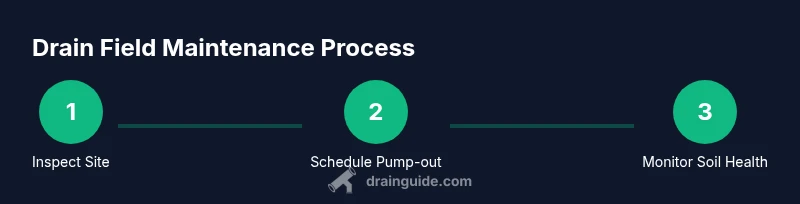
- 1
Inspect the drain field site and access points
Walk the area around the field and identify any damp ground, odors, or signs of distress. Check that all access points and markers are visible and unobstructed. Note vegetation health and any changes in surface grade that could affect drainage.
Tip: Do not step on wet soil; foot traffic can compact the absorption area and worsen problems. - 2
Assess water usage and household loads
Review recent water bills and daily usage patterns. Look for leaks or unusually high water use that could overwhelm the system. Plan to spread out heavy loads and repair leaks before the next inspection.
Tip: Small changes in daily use can significantly reduce field loading over time. - 3
Check septic tank pumping records and system status
Ask for the latest pumping date and any notes from the service provider. If accessible, verify that baffles are intact and there are no obvious signs of tank leakage. Do not attempt to open the tank without professional guidance.
Tip: Keep pumping records in a single file for quick reference by future technicians. - 4
Schedule professional pump-out and soil evaluation
Contact a licensed septic service to arrange a pump-out and, if needed, a soil absorption evaluation to confirm field health. Coordinate timelines to minimize disruption and ensure all safety procedures are followed.
Tip: Ask for a written maintenance plan with recommended intervals tailored to your home. - 5
Protect the drain field during maintenance and landscaping
Keep heavy equipment away from the field, and use markers to prevent accidental intrusion. Maintain vegetation with shallow roots and avoid trees whose roots may seek the drain lines.
Tip: Use mulch or grass to stabilize soil without compacting it. - 6
Post-pump field observation and record-keeping
After pumping, monitor the area for several weeks for signs of drying, continued odor, or flushing issues. Update your maintenance log with dates and observations to guide future visits.
Tip: Set reminders for the next inspection date and pump-out window.
Got Questions?
What is drain field maintenance and why is it important?
Drain field maintenance is the regular care of the underground absorption area after wastewater leaves the tank. It matters because a healthy field prevents backups, protects groundwater, and lowers repair costs over time.
Drain field maintenance is regular care of the absorption area to prevent backups and protect groundwater.
How often should a septic drain field be pumped?
Pumping frequency depends on tank size and household usage. Consult a licensed professional to determine a schedule tailored to your home.
Frequency depends on tank size and household use; a pro will tailor a plan for you.
What are common signs of drain field trouble?
Wet, soggy areas over the field, persistent odor, gurgling drains, slow fixtures, or unusually lush vegetation can indicate a problem.
Look for soggy spots, odor, gurgling drains, or slow fixtures.
Can I use additives to improve drain field performance?
Most experts discourage relying on additives. Focus on proper maintenance, water management, and professional evaluation instead.
Don't rely on additives; maintain properly and consult a pro.
Who should perform maintenance on a septic system?
Hire a licensed septic service provider with experience in field design and soil health. Verify licensing and insurance before work.
A licensed septic professional should perform maintenance.
Is landscaping near the drain field safe?
Choose shallow-rooted plants and keep heavy equipment away. Avoid trees with aggressive roots that can damage pipes.
Use shallow-rooted plants and avoid heavy activity near the field.
Watch Video
The Essentials
- Document maintenance actions and dates
- Limit daily water usage to protect the field
- Schedule professional pump-outs and soil assessments
- Protect the field from compaction and disturbance