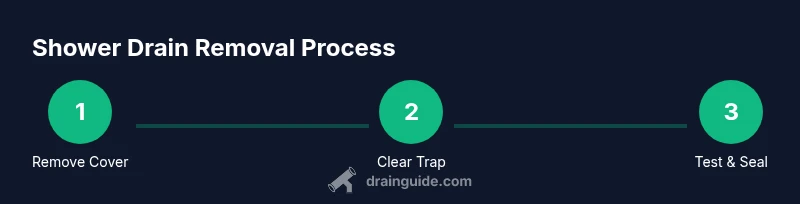
How to Remove a Shower Drain: Step-by-Step Guide
A practical, step-by-step guide to safely remove a shower drain, clear clogs, reseal, and maintain your drain to prevent future issues. Includes tools, safety tips, and troubleshooting for DIY homeowners.


You’ll learn how to safely remove a shower drain, diagnose the clog, and reassemble the drain with a secure seal. This guide covers essential tools, a clear step-by-step process, and maintenance tips to prevent future blockages. It also outlines safety precautions and what to do if the clog is stubborn.
What You’ll Accomplish and When to Proceed
Removing a shower drain is a practical DIY task that helps restore drainage speed and prevent water backup. You’ll learn to safely remove the drain cover, access the trap, clear hair and debris, and reseal the assembly to prevent leaks. If you encounter persistent odors, leaks, or a metal-on-metal screech during reassembly, slow down and reassess to avoid damage to the surround or pipework. This section sets expectations for a typical 45–60 minute session for a standard shower drain.
Safety First: Prep and Environment
Before you touch the drain, protect the area with towels or a drop cloth to catch any loose debris. Wear rubber gloves and eye protection in case of splashes. Ensure the room is well-lit and the water supply is off to prevent accidental flooding if the valve is opened during the process. Keep a bucket handy for catching water and a towel for quick cleanup. If you’re working on an outdoor or tile floor, consider a non-slip mat to reduce the chance of slips.
Accessing and Removing the Drain Cover
Most shower drains use a metal or plastic cover held by a central screw or a friction-fit cap. Use the appropriate screwdriver (flathead for slot screws or a coin/special tool for slotted caps) to loosen and remove the cover. Once removed, inspect the strainer and the drain opening for visible hair, soap scum, and mineral buildup. If the cover is difficult to remove, apply a small amount of penetrating oil around the edge and let it sit for a few minutes before attempting again.
Inspecting the Trap and Debris Removal
Under the cover, you’ll typically find a strainer and an accessible trap (the U-shaped section of pipe). Use gloves and a damp cloth to pull out hair and large debris. For finer clogs, a pair of needle-nose pliers or a small snake can extract hair from deep in the trap. Be careful not to push debris further down the line. If the trap is full of standing water, you may need to scoop it out first so you can see what you’re removing.
Clearing the Clog Without Damaging the Pipe
A toilet plunger is generally not recommended for shower drains, but a drain snake or a hook tool can be effective for dislodging hair blocks. Carefully feed the snake into the drain, turning the handle to break up the clog. If you encounter a hard obstruction, avoid forcing it, which could damage the pipe. For mineral buildup, a mixture of hot water and mild detergent can help loosen deposits around the trap.
Cleaning, Inspecting, and Reassembling the Drain
Once the clog is clear, rinse the trap with warm water to flush out remaining debris. Inspect the gasket or seal for cracks; replace if necessary. Reinsert the trap and snap on the cover or screw in the cap securely. Wipe away any residue and ensure the cover sits flush. A proper seal helps prevent leaks and water damage behind the shower enclosure.
Testing for Leaks and Proper Drainage
Turn the water back on and run a steady stream to test drainage. Watch for slow drainage or gurgling sounds, which could indicate a hidden blockage or a poor seal. Check around the drain cover for any signs of leaking water. If leaks appear, reseal the cover with plumber’s silicone sealant and tighten the cap as needed. Keep an eye on the drain over the next 24–48 hours for any further signs of trouble.
Maintenance Tips to Prevent Future Clogs
Install a hair catcher or drain screen to minimize hair entering the trap. Clean the screen weekly and run hot water with a splash of vinegar or mild cleaner every few weeks to reduce soap scum buildup. Periodically inspect the trap for standing water or corrosion and clean as needed. If you notice recurring clogs despite maintenance, consider a preventative cleaning with a snake every 6–12 months.
When to Call a Pro: Red Flags to Watch For
If you cannot access the trap, the drain still backs up after cleaning, or you notice persistent odors or leaks behind the wall, professional help may be required. A licensed plumber can diagnose if the issue extends beyond the trap, such as a venting problem or a deeper obstruction in the drain line. Don’t delay if you smell sewage or see water damage in the shower enclosure.
Common Mistakes to Avoid and How to Fix Them
Avoid forcing tools into the drain, which can crack the tile or bend the pipe. Do not mix chemical cleaners with mechanical cleaning steps; the chemical can react with metal parts or create dangerous fumes. Always dry the area after cleaning to prevent mold growth and test for leaks before finishing.
Quick Recap: What You’ve Learned
You’ve learned how to safely remove a shower drain, access and clear the trap, reseal the assembly, and test for leaks. You’ve also gained practical tips for maintenance to prevent future clogs and know when to call a professional. This knowledge helps maintain a healthy, efficient drainage system and reduces the risk of water damage.
Tools & Materials
- Flathead screwdriver(Fits slot screws or drain caps with a single slot)
- Phillips screwdriver(Only if your drain uses a Phillips-head fastener)
- Rubber gloves(Protect hands from hair and grime)
- Drain snake / auger(Piece that fits into the drain to break up hair clogs)
- Needle-nose pliers(Grasp and pull out hair from the trap)
- Bucket or shallow container(Catch water and debris during removal)
- Shop towels or rags(Clean up and wipe the drain area)
- Old toothbrush or small brush(Dislodge residue around the trap edges)
- Silicone sealant or replacement gasket(Use if resealing is required for a leak-free fit)
- Mild cleaner or vinegar, hot water(Flush and deodorize after clearing the clog)
Steps
Estimated time: 45-60 minutes
- 1
Remove the drain cover
Loosen and lift off the drain cover using the appropriate screwdriver or tool. Set the cover aside in a safe place. This exposes the strainer and trap for inspection.
Tip: If the cover is stubborn, apply a small amount of penetrating oil around the edge and let it sit for a few minutes before retrying. - 2
Take out the strainer
Carefully lift the strainer out of the opening. Check for hair and debris trapped under the strainer and remove with gloved fingers or pliers.
Tip: Be gentle to avoid bending the strainer or damaging the lip of the drain. - 3
Inspect the trap and remove debris
Reach into the drain to remove hair and buildup from the trap. If needed, use a snake or small hook to pull debris without forcing it deeper.
Tip: Take measured, small pulls rather than yanking to minimize pipe damage. - 4
Dislodge stubborn clogs
Insert the drain snake and rotate to break up the blockage. Withdraw slowly, cleaning the debris from the snake as you go.
Tip: Don’t force the snake; a gentle, deliberate approach reduces the risk of pipe damage. - 5
Flush and inspect
Run hot water with detergent or vinegar to flush the trap and remove residue. Reinspect the trap for remaining buildup.
Tip: Use a brush to scrub mineral buildup around the trap edges for a deeper clean. - 6
Reassemble the drain
Replace the strainer, secure the drain cover, and ensure the seal is intact. Use silicone sealant if the existing gasket shows signs of wear.
Tip: Ensure the cover sits flush to prevent water pooling and leaks. - 7
Test drainage and leaks
Turn the shower water on and observe whether water drains quickly and cleanly. Check for leaks around the edge of the cover.
Tip: If leaks appear, reseal and re-tighten the cover until the moisture stops. - 8
Document maintenance plan
Make a simple note about your last cleaning date and any parts replaced. Schedule a preventive clean in 6–12 months.
Tip: A written plan helps you stay consistent and extends drain life.
Got Questions?
What tools do I need to remove a shower drain?
A flathead screwdriver or appropriate tool for the drain cap, rubber gloves, a drain snake or auger, pliers, a bucket, and a cloth. Depending on the model, you may also need a silicone sealant and a replacement gasket.
You’ll need a screwdriver, gloves, a snake or pliers, a bucket, and a cloth; add silicone sealant if you replace seals.
What should I do if the drain is stubborn and won’t budge?
Apply gentle threading with a snake or use a hair-removal tool to pull debris from the trap. Do not force the tool, as this can damage the pipe. If resistance persists, pause and reassess before continuing.
If it’s stubborn, try a snake carefully and don’t force it; stop if it resists and reassess.
Can I reuse the old drain seal?
If the seal is cracked, deformed, or shows signs of wear, replace it with a new gasket or silicone sealant. A damaged seal can cause leaks and mold growth.
If the seal looks worn or cracked, replace it to prevent leaks and mold.
How long does it take to remove and clean a shower drain?
Most homeowners complete the removal, cleaning, and reassembly in about 45–60 minutes, depending on access and clog severity.
Most people finish in under an hour, depending on access and how stubborn the clog is.
Is it safe to use chemical drain cleaners after removal?
Chemical cleaners can damage seals and corrode pipes if used improperly. It’s best to rely on mechanical clearing methods and flush with water.
Avoid chemical cleaners after removal; mechanical clearing and flushing are safer.
When should I call a plumber for a shower drain problem?
If the drain repeatedly clogs despite cleaning, you notice sewage odor, or there’s leakage behind walls, a plumber should diagnose potential venting or pipe issues.
Call a plumber if clogs persist or you detect sewer odors or leaks.
The Essentials
- Identify the drain type and access the trap safely.
- Use the right tool for the job to avoid damage.
- Test the drain thoroughly for leaks and proper flow after reassembly.
- Implement preventative maintenance to reduce future clogs.