Shower Drain Odors: What to Do When There’s No Visible Clog
Learn how to diagnose and fix a shower drain that smells but isn’t clogged. Practical checks, a clear diagnostic flow, a step-by-step repair, safety tips, and prevention to keep your bathroom smelling fresh.


A dry P-trap or venting issue is the most common reason for a shower drain smell with no visible clog. Refill the trap by running warm water, clean the drain screen, and consider an enzymatic cleaner for odor control. If the odor persists, schedule a vent inspection with a plumber.
Why shower drain smells but not clogged
If your shower drain smells but you don’t see a clog, you’re not alone. The odor is usually a signal from the water seal, venting, or a biofilm layer that has built up in the trap or pipe. According to Drain Guide, a dry P-trap is the most common culprit in many homes, especially after periods of infrequent use. Sewer gases can back up through an uncovered vent or a cracked seal, producing a sour or sulfur-like aroma that seems to come from the drain even though water still flows freely. The fix is usually simple and non-destructive: restore the water seal, clean the accessible components, and ensure the venting path is clear. If the smell lingers after these steps, there’s a higher chance of more complex issues in the drain line or vent stack that may require professional assessment.
Common causes you should know
Odors can come from several non-clog related sources. A dry P-trap is the top culprit, especially in bathrooms that aren’t used daily. Venting problems—blocked or undersized vent stacks—allow gases to escape back into the bathroom. Biofilm formed by bacteria and organic matter inside the drain can also produce a rotten smell even when water flows freely. Hair, soap scum, and grease create a slimy coating that harbors odor-producing bacteria. In some cases, sewer gas can enter through a cracked seal or loose connection in the drain line. Understanding these causes helps you tailor your fixes and avoid unnecessary chemical cleaners.
Safety and cleaning basics
Always use gloves when handling drains and never mix household cleaners. Harsh chemical cleaners can damage pipes or septic systems and can create dangerous fumes when combined. Start with the least invasive steps: pour hot water to refresh the trap seal, remove visible hair from the screen, and rinse with plain water. If you decide to use cleaners, choose enzymatic or probiotic cleaners that break down organic residue without harming pipes. Venting issues require caution: climbing onto a roof or attic may be needed, and if you’re unsure, it’s safest to call a pro.
Simple checks you can perform today
First, run hot water in the shower for 60–90 seconds to refill the P-trap. Check the drain screen for hair and debris and remove any buildup. Inspect the visible connections around the shower drain for cracks or gaps and reseal if you find anything suspicious. Look for signs of poor drainage on other fixtures as this could indicate a venting problem. If your home has a vent line that’s accessible (for instance, nearby roof vent), ensure it isn’t blocked by lint or debris. Finally, consider an enzymatic cleaner as a maintenance step to reduce biofilm without harming the trap seal.
Diagnostic flow: how to test each possibility
Use a logical flow to isolate the cause. Start with the water seal (trap) test, then examine the vent path, and finally evaluate biofilm buildup. If after these steps the odor remains, you may be dealing with a more complex issue in the sewer line or vent stack that requires professional inspection. For each step, document what you observe and test with simple actions before moving forward.
When to use enzymatic cleaners and how to apply safely
Enzymatic cleaners can safely break down organic residues that feed odor-causing bacteria. Use them as a follow-up after you’ve cleared obvious blockages and refreshed the trap. Do not mix enzymatic cleaners with bleach or ammonia-laden products. Apply per label directions, typically letting the solution sit for a specified period before flushing with plenty of water. Enzymatic cleaners are generally safe for septic systems and won’t harm metal pipes when used as directed.
Prevention tips to keep odors away
Create a regular maintenance routine that includes flushing the shower drain with hot water after use, especially in bathrooms that aren’t used every day. Keep the drain screen clean to minimize organic buildup. Periodically check the P-trap for standing water and re-fill as needed. If you notice recurring odors, consider a yearly vent inspection or camera check for hidden blockages. Keeping a consistent cleaning schedule dramatically reduces the chance of future smells.
What to do next if the smell returns
If the odor reappears after completing the above steps, re-evaluate the vent system and trap seals or involve a licensed plumber for a vent-line inspection. A persistent odor may indicate a more serious issue in the main sewer line or a compromised trap seal that requires professional repair. Keep a log of when odors occur and any actions you’ve taken to help the technician diagnose faster.
Steps
Estimated time: 60-90 minutes
- 1
Check the trap water level
Inspect the P-trap visually and feel the water level in the U-shaped bend. If it’s low or absent, the seal is compromised and sewer gas can escape.
Tip: Run hot water for 60 seconds to restore the seal and observe for any renewed odor. - 2
Refill the trap with water
Let hot water run continuously for 60–90 seconds to ensure the trap is fully filled. A steady water seal blocks gases from escaping into the bathroom.
Tip: If the odor returns quickly after refill, the trap may be leaking or the seal is damaged. - 3
Clean the drain screen and hair catcher
Remove the cover and clear visible hair and gunk. A clean screen reduces buildup that can trap odor-causing organisms.
Tip: Use a small brush or rag to wipe the screen and rinse with warm water. - 4
Inspect for venting issues
Check accessible vent paths for blockages. A blocked vent can force sewer gases back into the bathroom even with a good trap.
Tip: If you’re uncomfortable on a roof or attic, contact a plumber for vent inspection. - 5
Use enzymatic cleaners safely
Apply a recommended enzymatic cleaner following package directions to reduce biofilm without damaging seals.
Tip: Avoid bleach-based cleaners that can corrode metal parts over time. - 6
Re-test drainage and odors
Run the shower, observe the presence of odors over the next day, and repeat steps if needed.
Tip: Note if odors are linked to specific times or activities (like high water usage). - 7
Know when to call a professional
If odors persist after trap refills and vent checks, a professional assessment is warranted to evaluate sewer lines.
Tip: Persistent odors may indicate a vent, stack, or sewer issue beyond simple maintenance.
Diagnosis: Shower drain smells but not clogged
Possible Causes
- highDry P-trap seal
- highVent stack blockage or poor venting
- mediumBiofilm buildup inside the drain
- lowCracked seal or loose connections letting sewer gas in
Fixes
- easyRefill the P-trap by running hot water for 60-90 seconds
- hardInspect and clear vent path if accessible (rooftop or ventilated area)
- easyRemove hair/debris from drain screen and rinse
- easyUse a safe enzymatic cleaner to reduce biofilm buildup
Got Questions?
Why does a shower drain smell if it isn’t clogged?
Odors often come from a dry P-trap, venting issues, or biofilm buildup in the drain. These problems let sewer gases escape even when water flows. Restoring the water seal and clearing the vent path usually resolves the odor.
Odors without a clog usually come from a dry trap or vent problems. Fix by refilling the trap and checking the vent.
Are enzyme cleaners safe for septic systems?
Yes. Enzymatic cleaners break down organic residues and are generally safe for septic systems when used as directed. They’re a good maintenance option and less harsh than chemical drain cleaners.
Yes, enzymatic cleaners are typically safe for septic systems when used as directed.
Can baking soda and vinegar fix shower odors?
Baking soda and vinegar can help with minor buildup but won’t fix venting or dry-trap issues. They may provide a temporary improvement but aren’t a substitute for proper trap and vent checks.
Baking soda and vinegar might help a little, but they aren’t a real fix for vent or trap problems.
When should I call a plumber for odor issues?
If refilling the trap and inspecting the screen and vent doesn’t remove the odor, or you suspect vent or sewer line problems, a licensed plumber should assess the system.
If odors persist after basic checks, it’s time to call a plumber for a vent or sewer line evaluation.
How do I test if the P-trap is actually dry?
Pour water into the drain and listen for the water seal. If you notice the odor returning quickly, the seal may be compromised and needs refilling or replacement.
Pour water to test the trap, and check if the odor sticks around after refilling.
Can a blocked vent cause odors even with a good trap?
Yes. A blocked vent can trap sewer gases in the system, causing odors to appear from the shower drain even when the trap is full. Clearing the vent fixes the issue.
Yes, a blocked vent can cause smells even when the trap is fine. A vent clean can fix it.
Watch Video
The Essentials
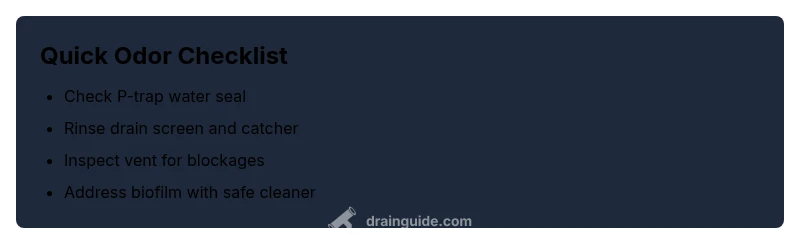
- Restore the water seal first (P-trap),
- Check and clear the drain screen for buildup
- Evaluate venting and call a pro if odor persists
- Use enzymatic cleaners safely and avoid mixing chemicals
- Regular maintenance prevents future shower odors