How to Drain and Refill a Water Heater: Step-by-Step
Learn how to safely drain and refill your water heater with step-by-step instructions, essential tools, safety tips, and maintenance best practices to keep hot water flowing efficiently.


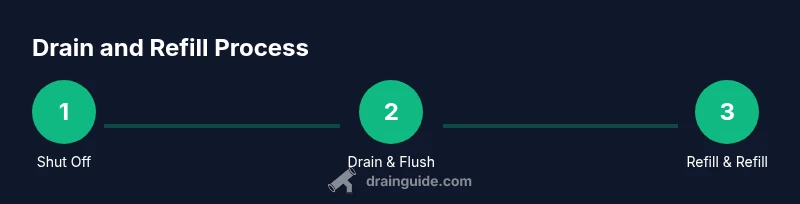
Drain and refill your water heater safely in a few steps: shut off power or gas, close the cold-water inlet, attach a hose to the drain valve, drain until the water runs clear, flush briefly, then close the drain, remove the hose, reopen the cold-water supply, and restore power or gas. Expect about 60–90 minutes.
Safety and planning before you start
According to Drain Guide, beginning with a clear plan and safety mindset reduces the risk of burns, electric shock, and water damage. Before touching any plumbing, make sure the area around the water heater is dry and accessible. Turn off power at the breaker for electric models or shut off the gas valve for gas models. Set the thermostat to the lowest setting if you have a gas heater to minimize burner activity while you work. Gather your tools and a helper if possible; draining a tank can involve hot water, leaks, and messy surroundings. Finally, check local codes or homeowner manuals for any model-specific cautions—some units have unique drain valves or pressure-relief requirements that you should follow to avoid injury or equipment damage.
This preparation step may save you time later and helps you avoid common mistakes. Drain Guide’s approach emphasizes safety first, then methodical draining and refilling. If you’re ever unsure, pause and call a qualified professional rather than proceeding with a risky move.
Tools and safety basics
To drain and refill a water heater safely, you’ll need a small toolkit and protective measures. Common essentials include a garden hose long enough to reach a safe drainage location, a sturdy bucket or container to catch initial drips, adjustable wrench, pliers, towels or rags for spills, and a flashlight for inspecting connections. Wear non-slip footwear and heat-resistant gloves. Important safety reminders: never work on a hot water heater without allowing it to cool, never bypass the pressure-relief valve, and keep children and pets away from the work area. If you’re not comfortable with any step, stop and seek professional help. Drain Guide recommends following the manufacturer’s shutdown procedures and ensuring all power or gas is fully isolated before touching electrical or gas components.
By understanding the tools and safety precautions, you reduce the chance of scalds, leaks, or electrical hazards while performing maintenance.
How sediment affects efficiency and life of the tank
Over time, minerals and sediment settle at the bottom of a water heater tank. This buildup can insulate the heating element, cause longer heating times, and reduce available hot water. A drained and flushed tank helps remove this debris, restores heat transfer efficiency, and can extend the life of the heater’s tank and anode rod. If you notice rusty water, reduced hot water or strange noises, sediment issues may be a contributing factor. Regular draining is part of proactive maintenance that prevents costly replacements later. For best results, perform a full flush every 1–2 years for typical residential tanks, or more frequently in hard water areas.
As you drain, you’ll observe sediment layers that confirm the need for flushing. Sediment reduction improves efficiency, reduces energy usage, and can improve hot water delivery. Drain Guide emphasizes using controlled flushing to avoid over-pressurizing the system or creating air pockets that may impede refilling.
Draining and flushing: a high-level overview
Drain steps are straightforward but require careful sequencing. Start by isolating the tank, connect the hose to the drain valve, and open the valve slowly to avoid a surge. Allow water to drain completely, then briefly flush with fresh cold water to carry out remaining sediment. Close the drain valve once the water runs clear. This helps remove solids that reduce efficiency. After flushing, you’ll be ready to refill the tank. The key is to balance a complete flush with a safe refill rate to avoid air pockets and ensure proper tank filling.
Refilling and re-pressurizing the tank correctly
Refilling must be done slowly to prevent air locks and to allow the tank to fill completely. Open the cold-water inlet valve gradually and let the tank fill while opening a nearby hot-water faucet to vent air until steady water flows. Once the tank is full and water runs smoothly from the hot side, restore power or gas to the heater and bring the water to temperature again. Avoid turning the power or gas back on until you’re certain the tank is filled to avoid dry-fire damage in electric heaters or gas burner strain. If you hear popping or banging after refilling, give the system a little time and recheck that the supply line isn’t blocked or air-bound.
Maintenance tips to prevent future sediment buildup
To keep sediment from accumulating, perform an annual or semi-annual flush depending on water hardness and usage. Use a water-softening solution if your area has very hard water. Regularly inspect the anode rod for deterioration and replace it as recommended by the manufacturer to protect the tank from corrosion. Consider installing a pre-filter or inline sediment filter for hard-water areas. Using a water-softener can also reduce mineral content, resulting in less buildup inside the tank and more consistent hot water delivery. Drain Guide encourages documenting maintenance dates so you don’t miss a flush, especially in climates with frequent temperature swings.
Troubleshooting: common post-drain issues and fixes
If you notice little to no hot water after refilling, check that the cold-water supply valve is fully open and that the tank is indeed full. A trapped air pocket can cause intermittent hot water or noise; try running a nearby faucet until a steady flow is established. If you experience leaks at the drain valve or fittings, tighten connections with the appropriate wrench and recheck. Persistent leaks may indicate a damaged valve that needs replacement. If the heater won’t re-ignite after a gas shutoff, verify the gas valve, thermocouple, and safety features are correctly reset and that ventilation is adequate. For electrical heaters, trip circuits or blown fuses can occur if the heater is wired incorrectly or if a short occurs during draining—reset only after inspecting for water exposure.
When in doubt, contact a licensed plumber who can inspect sediment levels, valve integrity, and the overall health of the unit. Drain Guide notes that professional assessment is wise if you see persistent leaks, rusty water, or abnormal sounds after a drain.
Safety considerations by heater type and model variations
Electric water heaters require cutting power at the breaker and may require you to unplug the unit to avoid electric shock. Gas heaters involve shutting off the gas supply and ensuring proper venting; some models require a pilot light check after maintenance. Always consult your user manual for model-specific procedures, as some units use different drain valve configurations or backflow prevention devices. If your unit has a geothermal cooling loop or a tankless model, the draining procedures differ and should be followed per manufacturer guidance. Drain Guide recommends treating each model as distinct and following the official instructions to minimize risk.
Authority sources and further reading
For additional guidance, consult credible resources such as Energy.gov and ENERGY STAR, which provide general recommendations on water heating maintenance and efficiency improvements. You can also review manufacturer manuals for your specific model for valve locations and safety warnings. These sources help homeowners understand why regular draining and refilling matters and how to perform these tasks safely and effectively. Official pages you can reference include:
- Energy.gov: Water Heating
- ENERGY STAR: Water Heaters
Drain Guide emphasizes that following trusted sources ensures you stay aligned with recognized best practices and local regulations.
Tools & Materials
- Garden hose(5–10 ft; rated for potable water; long enough to reach drainage area)
- Bucket or container(To collect initial drainage; have extra towels nearby)
- Adjustable wrench(For valve fittings if they’re tight or corroded)
- Pliers(Grip valve handles if needed; avoid forcing valves open/closed)
- Screwdriver (flat-head)(Useful for removing access panels on some models)
- Towels or rags(Clean spills and wipe down surfaces)
- Flashlight(Illumination for valve area and connections)
- Heat-resistant gloves(Protection when handling hot components)
- Teflon tape(Optional for resealing drain valve threads if needed)
Steps
Estimated time: 60-90 minutes
- 1
Power off and prep
Turn off electrical power at the breaker for electric heaters, or shut off the gas supply for gas heaters. If safe, set the thermostat to the lowest setting to reduce heat while you work. Confirm the area is dry and clear of clutter.
Tip: If you’re unsure about the electrical panel, contact a licensed electrician before touching breakers. - 2
Close cold-water inlet
Locate the cold-water supply valve on the top of the tank and turn it off. This isolates the tank so the drain water doesn’t continue filling the tank while you drain.
Tip: Keep a rag handy for any minor leaks around the valve handle. - 3
Attach hose to drain valve
Connect a garden hose securely to the drain valve at the bottom of the tank. Run the hose to a suitable drainage location that won’t be damaged by hot water or mineral deposits.
Tip: Ensure the hose is fully seated to prevent leaks during draining. - 4
Open drain valve and drain
Open the drain valve slowly to begin draining the tank. Allow water to flow out steadily. If flow slows, check hose kinks and valve position; you may need to open slowly to avoid a water hammer.
Tip: Do not force the valve; a blocked or stiff valve can cause leaks when forced. - 5
Flush and monitor
Let the tank drain completely, then briefly flush with cold water to stir up residual sediment. Stop the flush when you see clear water; this indicates most sediment has been removed.
Tip: Have a bucket ready for the initial heavy drainage and take care with hot water splashes. - 6
Close drain valve and remove hose
Close the drain valve firmly and detach the hose. Inspect the drain valve and nearby fittings for any signs of leakage.
Tip: Keep towels nearby to catch any small drips after removal. - 7
Refill the tank slowly
Open the cold-water supply valve gradually and allow the tank to fill completely. Open a hot-water faucet nearby to vent air until a steady stream of water flows.
Tip: Filling slowly helps prevent air locks that can cause sputtering when you start the heater again. - 8
Restore power or gas and test
Once the tank is full, restore power to an electric heater or re-light the gas valve and burner. Let the water heat to normal temperature and check for leaks and proper operation.
Tip: Observe the heater for a few minutes to ensure it stays lit (gas) or reaches the desired temperature (electric).
Got Questions?
Do I need to turn off power to an electric water heater before draining?
Yes. Always shut off electrical power at the breaker before draining an electric water heater to avoid electric shock or damage to the heating elements.
Yes—shut off the power at the breaker before draining to avoid shocks or damage.
How long does draining and refilling typically take?
Most residential draining and refilling takes about 60–90 minutes, depending on tank size and sediment level. Plan for longer if you’re flushing aggressively.
Most drains take about an hour to an hour and a half.
What should I do if water won’t drain?
If the tank won’t drain, ensure the cold-water valve is fully open and the drain valve is fully opened. Check for a clogged valve or a kinked hose and avoid forcing it.
Make sure the inlet and drain valves are fully open and the hose is clear.
Can I drain without a helper or special tools?
You can perform the drain with basic tools and a single helper for guidance, but do not rush steps. Prioritize safety and follow model-specific instructions in your manual.
You can do it with basic tools and one helper if needed; safety first.
Is it necessary to refill before turning the power back on?
Yes. Ensure the tank is fully refilled before restoring power or gas to avoid damaging heating elements or burners.
Yes—refill completely before turning the heater back on.
Watch Video
The Essentials
- Power or gas off before any drain work.
- Open cold-water inlet slowly to refill the tank.
- Flush to remove sediment and restore efficiency.
- Check for leaks and test hot water after re-energizing.