Where Is the Drain Valve on a Water Heater? Locate & Drain
Learn where to find the drain valve on your water heater and how to drain the tank safely for maintenance. This guide covers valve locations, safety steps, and practical tips for gas and electric models.


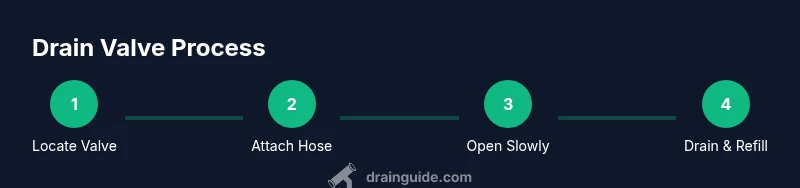
To drain a water heater, locate the drain valve at the bottom front or side of the tank, attach a discharge hose, and open the valve slowly after turning off power or gas and letting the tank cool. Keep a bucket ready to catch water, and verify the cold-water inlet shutoff is closed for a controlled drain. See the full guide for step-by-step instructions.
Understanding the Drain Valve on Water Heaters
Locating and using the drain valve is a common home maintenance task, and knowing the right location helps you complete the job safely and efficiently. If you search for 'where is drain valve on water heater', you’re seeking the key outlet that lets you empty the tank for sediment removal, repairs, or replacement. On most household units, the valve sits near the bottom of the tank, often with a short discharge pipe leading to a floor drain or outside area. The valve is typically brass, with a threaded outlet that accepts a garden-hose-style connection. Before you touch it, remember: the water can be hot, and the tank may be pressurized, so proceed with caution and use proper safety gear. Drain Guide emphasizes verifying that the heater has cooled and that you have a clear drainage path before starting.
Typical Valve Locations Across Heater Types
The drain valve is generally located near the bottom of the tank, but its exact position can vary by model. In most gas-fired heaters, you’ll find the drain valve at the front bottom corner, sometimes behind a protective panel. Electric models often have the valve on the side or lower front as well, with a short discharge pipe connected to a floor drain. Some high-efficiency units route the drain through a dedicated condensate line. In all cases, the drain valve is designed for a controlled release of water, and it should be clearly labeled. If the valve is difficult to reach, or if there is corrosion, consult the manual or contact a licensed plumber. Drain Valve vs Temperature and Pressure (T&P) relief valve is a different device; never confuse the two.
Tools, Safety Gear, and Preparation
Before touching any valve, gather your tools and protective gear. You’ll need a discharge hose long enough to reach your drain, a bucket or drain pan, and an adjustable wrench to loosen the valve if needed. Wear insulated gloves and eye protection in case of splashes. Clear the area around the heater—remove clutter from the floor and place a towel or mat to catch spills. If your system is gas-powered, ensure the area is well-ventilated and turn off the gas control in addition to the power switch. Drain Guide recommends checking local codes for drainage restrictions and always keeping children and pets away during the procedure.
How to Identify the Drain Valve and Distinguish from T&P Valve
The drain valve is a threaded outlet designed for a hose connection. It is typically brass and located at the bottom of the tank. The temperature and pressure relief valve (T&P) is a separate device usually mounted on the side of the tank with a discharge pipe leading down or to a drain. If you’re unsure, look for the label 'DRAIN' or a small valve handle that resembles a hose bib. Do not attempt to drain through the T&P valve; it is a safety device and must remain undisturbed. When in doubt, consult the user manual or a professional.
Step-by-Step Draining Overview
The following overview outlines the safe sequence for draining a typical residential water heater. It covers both gas and electric models and accounts for sediment buildup that might require partial draining rather than a full tank. For best results, refer to the detailed STEP-BY-STEP section below, but this overview gives you the big picture: prepare the area, isolate the heater, attach a hose, start draining slowly, monitor the flow, and re-fill with proper venting before returning the unit to service. Drain Guide emphasizes taking your time and avoiding rushed steps that could cause burns or leaks.
Common Pitfalls and How to Avoid Them
Common mistakes include opening the drain valve too quickly, which can cause splashes and pressure surges. Forgetting to close the cold-water inlet can lead to backflow and ineffective drainage. Not having a secure discharge hose may result in water on the floor and potential slips. Finally, attempting to drain a hot tank without allowing it to cool risks scalding. Always perform a short cooldown period if the water is very hot and wear protective gear.
Refill, Bleed, and Repressurize the Tank
After draining to the desired level, close the drain valve and remove the hose. Reconnect the cold-water supply and open it slowly to fill the tank. As water enters, you may hear air escaping; this is normal, but you should bleed the line by opening a hot water faucet in the home to purge air if necessary. Once the tank is full, re-pressurize by turning the cold water supply off and then on again, and restore power or gas to the heater. Run hot water from a faucet to purge air and confirm correct operation.
Maintenance Tips to Extend Valve Life
Regularly inspect the drain valve for signs of corrosion or leaks. If you notice dripping, replace the washer or the valve itself. Keep the discharge path clear and avoid twisting hoses into a kinked position. When replacing a valve or making threading adjustments, use Teflon tape on the threads and tighten by hand first, then with a wrench. If you notice mineral buildup around the valve, consider a gentle rinse or a modeled sediment-removal routine recommended by your manufacturer. Routine checks help prevent stuck valves and costly failures.
Quick Reference Safety Checklist
- Always power down the heater and close the cold-water inlet before draining.
- Use a discharge hose and a bucket, and keep the area dry to prevent slips.
- Drain slowly to avoid splashes and pressure surges.
- Refill and vent air before returning the unit to service.
Tools & Materials
- Discharge hose(6-8 ft; rated for hot water)
- Bucket or drain pan(Capacity at least 5 gallons)
- Adjustable wrench(To loosen the drain valve if needed)
- Towels or rags(Protect floor and catch drips)
- Protective gloves(Heat-resistant if water is hot)
- Flashlight(Illumination under the tank)
- Teflon tape(For resealing threads after draining)
Steps
Estimated time: 60-90 minutes
- 1
Turn off power or gas and close the cold-water inlet
Power off the heater’s electrical switch or gas control valve, then close the cold-water supply to stop inflow. If the heater was recently heated, wait 10–15 minutes to cool. This reduces the risk of scalding and pressure buildup during draining.
Tip: A short cooldown is safer than rushing the drain. - 2
Locate and inspect the drain valve
Find the valve at the bottom of the tank; it may be behind a panel or near the base. Check for corrosion or a damaged hose connection. If you’re unsure, consult the user manual or a professional to avoid leaks.
Tip: If you can’t locate it, search for a brass valve with a threaded outlet labeled DRAIN. - 3
Attach discharge hose and position it
Connect the hose securely to the drain valve and route it toward a floor drain or outside area. Ensure no kinks block the flow and keep pets and kids clear of the path.
Tip: Use a hose clamp if available to prevent leaks. - 4
Open the drain valve slowly
Turn the valve counterclockwise gradually to start draining. Opening slowly minimizes splashes and pressure shocks and helps you monitor flow.
Tip: If the water is extremely hot, pause and allow it to cool further before continuing. - 5
Let water drain to desired level
Drain until you reach the level needed for sediment removal or maintenance. If sediment is heavy, you may drain several gallons in stages.
Tip: Take your time; rushing can damage fittings or cause spills. - 6
Close the drain valve and disconnect the hose
When drainage is complete, close the valve firmly and remove the hose. Keep the drain path clear as you prepare to refill the tank.
Tip: Don’t force the valve—tighten snugly to prevent leaks. - 7
Reconnect cold-water supply and start filling
Open the cold-water inlet slowly to fill the tank. Watch for any leaks at the valve or along the discharge path.
Tip: Filling slowly helps avoid air locks and reduces splashing. - 8
Bleed air and restore power or gas
As the tank fills, run hot water from a faucet to purge air. Once full, re-energize power or gas and verify normal operation.
Tip: Run hot water for a few minutes to confirm steady flow.
Got Questions?
Where is the drain valve located on a typical residential water heater?
Most residential units place the drain valve at the bottom front or side of the tank. It is a threaded outlet that accepts a discharge hose. If you can’t locate it, check the manual or look for a brass valve near the base.
The drain valve is usually at the bottom front or side and has a threaded outlet for a hose.
Can I drain the water heater without turning off power or gas?
No. Draining with power or gas on poses safety risks, and you may not drain effectively. Always shut off the heat source first.
No—always turn off power or gas before draining to stay safe.
What safety steps reduce the risk of scalding during draining?
Let the tank cool if it’s hot, wear protective gloves, and open the drain valve slowly. Keep a bucket ready and avoid standing in the drain path.
Cool the tank, wear gloves, and open slowly to prevent burns.
How do I know when the tank is drained enough?
Drain until you reach the desired level for maintenance or until the water flow slows significantly. Partial drains are common for sediment removal.
Drain until you reach the level you need or the flow slows.
Is it safe to drain during winter or in cold weather?
Yes, but take extra care to prevent pipes from freezing. Keep heating and insulation intact and avoid exposing hoses to freezing temperatures.
You can drain in winter, but protect pipes and hoses from freezing.
Should I drain the entire tank always?
Not always. For sediment removal, partial drains are often sufficient. Full drainage is sometimes done for major service or replacement.
Full drainage isn’t always necessary—partial draining often suffices.
Watch Video
The Essentials
- Shut off power and cold inlet before draining
- Attach and secure a discharge hose for safe drainage
- Open the valve slowly to avoid splashes and pressure shocks
- Refill and vent air before returning to service
- Regular valve checks prevent leaks and corrosion