How to Get Rid of Drain Flies in Bathroom – A Practical Guide
Learn practical, safe methods to eliminate drain flies from your bathroom. This step-by-step guide covers identification, cleaning, moisture control, and prevention for a lasting solution for DIY homeowners.


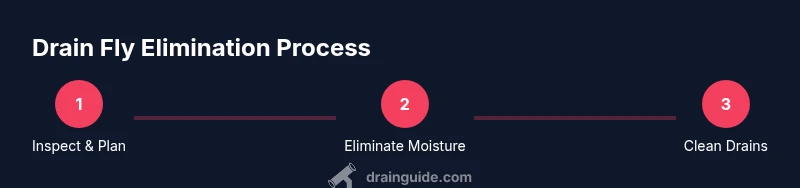
This guide shows how to get rid of drain flies in bathroom and prevent a recurrence. You’ll start with a quick assessment of breeding sites, then perform an organized cleaning routine and targeted treatments. The key requirements are to clear moisture sources, scrub visible drains, and use enzyme cleaners or boiling water rather than relying on sprays alone.
What are drain flies and why they show up in bathrooms
Drain flies, also known as phorid flies or sewer gnats, are tiny moth-like insects that breed in the organic film that lines drains. In bathrooms, they commonly appear when sinks, showers, or floor drains stay damp and accumulate hair, soap scum, and mineral deposits. The breeding cycle can be rapid in warm, humid environments, meaning a small buildup can support a thriving colony. According to Drain Guide, addressing both adult presence and the breeding environment is essential to stop the infestation at the source. Inside your bathroom, you’ll often notice small black or gray flies hovering near sinks, trapping them with light or catching them in a flypaper trap. The key is to break the life cycle by removing standing water, cleaning the drain interior, and using enzyme-based cleaners that digest organic matter. This approach targets both the adults and the hidden larvae that keep the problem alive, reducing the chance of a quick rebound.
Quick assessment: signs and where to look
Identify the signs first: small, fast-flying flies around damp drains, a lingering odor of organic material, and a persistent presence even after cleaning visible surfaces. Check all potential breeding sites in the bathroom, including the sink drain, tub and shower drains, floor drains, and any vent or vented trap areas where moisture collects. Look for a slimy, discolored film inside the drain, hair accumulation, soap scum buildup, and standing water in the P-trap. Inspect under the sink, behind the plumbing, and around caulking where moisture may escape. If you see more than a few adult flies each day, treat the drainage system as the primary source rather than only chasing the adults. This stage sets the foundation for an effective, targeted plan, and it helps determine which drains deserve immediate attention versus those that can be monitored for a short period. Drain Guide notes that a careful inspection is often the most revealing part of the process and can save time later on.
Immediate cleanup you can start today
Begin with a rapid sanitation to disrupt the breeding cycle. Flush each drain with boiling water several times to loosen and wash away slime and organic matter. Follow with an enzyme-based drain cleaner, which digests organic buildup without harming surrounding surfaces or septic systems. For drains that tolerate it, apply a heavier-duty cleaner according to the label, then rinse with hot water. Use a drain brush or flexible bottle brush to scrub inside the drain bore, paying attention to the sides and bottom where biofilm tends to accumulate. After cleaning, remove standing water from any accessible surface, wipe down nearby counters, and run the bathroom fan or dehumidifier to reduce humidity. This multi-pronged cleanup not only kills adult flies but also removes the substrate that larvae feed on, making future infestations less likely.
Breeding sites and moisture control strategies
Drain flies thrive where moisture meets organic debris. In bathrooms, common breeding sites include damp P-traps, clogged drain lines, and areas with poor air circulation. Address leaks and condensation by tightening fixtures, replacing worn washers, and insulating cold pipes to reduce condensation. Improve ventilation by running an exhaust fan during and after showers, or install a lightweight dehumidifier if the space stays humid. Clean and maintain the P-trap by flushing with hot water and a mild cleaner monthly, and ensure traps are filled with water when not in use to prevent air gaps that allow odors and pests to travel. Replace any caulking that shows mold or cracking where moisture can seep behind tiles. By eliminating moisture and organic buildup, you reduce the habitat that drain flies need to reproduce.
Cleaning routines and safe sanitizers
Combination cleaning with enzyme cleaners and mechanical scrubbing is typically the most effective. Enzyme cleaners target biofilm without harsh chemical residues. For a more aggressive approach, you can use a small amount of household bleach only if your plumbing and surfaces tolerate it; never mix bleach with ammonia or other cleaners. If your bathroom has a septic system, minimize chlorine use to protect beneficial bacteria; enzyme-based cleaners are a safer first choice. After cleaning, rinse drains thoroughly and dry accessible surfaces. Periodically reapply enzyme cleaners according to the product directions, and keep the bathroom dry and well-ventilated to deter rebleeding infestations. In many cases, a combination of routine cleaning and moisture control yields the best long-term results.
Traps, baits, and limited chemical options
Sticky traps placed near the drain can capture adults and help you monitor activity. Do not rely solely on sprays; use these as a last resort and in a well-ventilated space. If you choose chemical options, use products labeled for drain flies and follow all safety instructions, including wearing gloves and eye protection. Consider pyrethrin-based aerosols only if the room is unoccupied and after removing people and pets. Targeted treatments at the source—drain interiors and P-traps—are more effective than broad, room-wide sprays. Remember that chemical controls address adults; you must also remove the breeding substrate if you want lasting control.
Long-term prevention: maintenance plan and monitoring
Create a simple maintenance schedule to prevent recurrence. Weekly tasks include visual inspections of all drains, cleaning with enzyme cleaners every 2–4 weeks, and running the bathroom fan after use. Monthly checks should include inspecting caulking, seals, and leaks, as well as clearing hair from drain outlets. If you notice ongoing activity after two to four weeks of a consistent plan, re-evaluate moisture sources and consider replacing old pipes or increasing ventilation. Maintain a dry environment by addressing ongoing water use issues promptly and by keeping drains clean of organic buildup. Drain Guide’s approach emphasizes a proactive, steady routine to keep drain flies from returning, rather than chasing outbreaks after they appear.
Authority sources
Official guidance from public health and environmental bodies supports practical, non-toxic strategies for drain management. For foundational information on reducing indoor pests and moisture-related issues, consult trusted authorities such as the CDC, the EPA, and university extension programs. These sources offer general principles for home sanitation, moisture control, and pest prevention that align with effective drain fly mitigation. Always cross-check product labels and local regulations when selecting cleaners or treatments for your home.
Tools & Materials
- Rubber gloves(Protect hands during cleaning and when handling cleaners)
- Enzyme-based drain cleaner(Digest organic buildup without harsh chemicals)
- Kettle or pot for boiling water(Boiled water for flushing drains)
- Drain brush or flexible bottle brush(Scrub the interior walls of drains)
- Hot water source(Follow with enzyme cleaner for best results)
- Dehumidifier or bathroom fan(Helps reduce humidity and deter breeding)
- Sticky traps or flypaper(Monitor adult activity)
- Mild bleach (optional, only if compatible with plumbing)(Use sparingly and never with ammonia)
Steps
Estimated time: 2-3 hours
- 1
Inspect drains and prep tools
Survey all bathroom drains (sink, tub, shower, floor) for slime, residue, and moisture. Gather cleaning supplies and wear gloves. Identify which drains have the most buildup to prioritize.
Tip: Take notes on problem areas to tailor your plan. - 2
Eliminate obvious moisture and leaks
Repair any visible leaks and reduce condensation by improving ventilation. Dry the area as much as possible before cleaning.
Tip: Even small leaks fuel drain fly breeding. - 3
Clear and rinse P-traps
Place a bucket beneath each P-trap and loosen the trap to flush out debris. Reassemble carefully to prevent leaks.
Tip: Keep a photo of the piping before disassembly to assist reassembly. - 4
Flush drains with boiling water
Carefully pour boiling water into each drain to loosen organic films and kill surface larvae.
Tip: Do not pour boiling water directly onto porcelain if cracked. - 5
Apply enzyme-based cleaner
Follow label directions to apply enzyme cleaner into each drain, allowing it to sit and digest biofilm.
Tip: Enzyme cleaners are safer for septic systems than strong chemicals. - 6
Scrub the drain bore
Use a drain brush to scrub the interior walls of each drain, focusing on the curve where biofilm collects.
Tip: Avoid aggressive scraping that could damage seals. - 7
Set monitoring traps
Place sticky traps near the drains to gauge ongoing activity and measure progress.
Tip: Record daily counts to observe trends. - 8
Ventilate and dry the space
Run the exhaust fan or a dehumidifier after cleaning to keep humidity low and deter re-infestation.
Tip: A dry bathroom is less inviting to drain flies. - 9
Schedule ongoing maintenance
Create a weekly check routine and a monthly deep-clean cycle to prevent recurrence.
Tip: Consistency beats one-off treatments.
Got Questions?
What are drain flies and why do they appear in bathrooms?
Drain flies are small insects that breed in the organic residue inside drains. In bathrooms, persistent moisture and soap scum provide ideal breeding spots, leading to quick infestations if not addressed.
Drain flies breed in the slime inside drains. Moist bathrooms can quickly sustain an infestation if moisture and residue aren’t controlled.
Can I just use chemical sprays to fix a drain fly problem?
Sprays kill some adults but don’t remove the breeding habitat. The most effective approach targets both adults and the biofilm inside drains, combined with moisture control.
Sprays alone don’t solve the root cause. Combine them with cleaning and moisture control for real results.
Will bleach or strong chemicals damage septic systems?
High-strength cleaners can disrupt septic bacteria. If you have a septic system, prefer enzyme cleaners and consult product labels before using bleach.
Bleach can upset septic systems, so use enzyme cleaners when possible and check labels.
How long does it take to see an improvement?
Improvements can appear in days with consistent cleaning and moisture control, but a stubborn buildup may take a few weeks of persistent effort.
You should start seeing fewer flies within days, with full results over a few weeks if you stay consistent.
Are there natural or home remedies that work?
Vinegar and baking soda can help reduce residue, but they’re usually less effective alone. Combine with mechanical cleaning and enzyme cleaners for best results.
They help, but they work best when paired with thorough cleaning and moisture control.
When should I call a professional?
If flies persist after a thorough home treatment and moisture management, consider a professional inspection to identify hidden moisture or plumbing issues.
If you still see flies after a proper cleanup, a pro can check for leaks and hidden breeding sites.
Watch Video
The Essentials
- Eliminate moisture to break the life cycle
- Use enzyme cleaners to target biofilm
- Clean and flush drains regularly to prevent recurrence
- Monitor with traps to gauge progress
- Ventilate bathrooms to reduce humidity long-term