How to Get Rid of Fruit Flies in Drain
Learn science-backed, step-by-step methods to remove fruit flies from drains, prevent reinfestation, and keep your kitchen clean with safe, practical steps from Drain Guide.


By following these steps, you can eliminate fruit flies breeding in your drain and prevent future outbreaks. Start with a quick drain flush and a cleansing routine, then trap existing flies and seal entry points. No harsh chemicals needed—often, a combination of heat, enzyme cleaners, and DIY traps does the job.
What attracts fruit flies to drains
Fruit flies breed in organic residue that accumulates in sinks, drains, and P-traps. Over time, tiny particles of food, fruit residues, soap scum, and microbial biofilms create a warm, sugary environment that fruit flies love. They lay eggs in this film, and the larvae mature quickly, giving the illusion of a small, persistent population. According to Drain Guide, drain-related fruit fly infestations are usually driven by this buildup rather than flying in from outside. Even a thin layer on the sides of a drain can sustain a brood for days. Regular scrubbing, flushing, and targeted cleaners interrupt this lifecycle. If you notice repeated sightings near the kitchen sink or bathroom drain, you’re likely dealing with a breeding site rather than a random fly. Recognizing the source helps you choose the right approach, rather than chasing individual flies with pads or sprays that do not reach the breeding zone. In this guide, we’ll outline practical, humane, and safe methods to eliminate the source and prevent return.
Quick win strategies you can start today
Some effects can be achieved within minutes by addressing the most accessible drains first. Start by running very hot water down each suspect drain, then flush with a simple baking soda and vinegar fizz to disrupt organic films. Place a few shallow bowls with apple cider vinegar and a drop of dish soap near the sink to trap adults while you work. Wipe down the surrounding countertop and the sink rim to remove sugary residues that attract flies. These quick-win steps reduce immediate activity and set the stage for deeper cleaning. Throughout the process, keep doors and windows closed to minimize new arrivals. Drain Guide emphasizes patience and consistency: this is often a multi-step routine, not a one-off flush. If you maintain a regular schedule and combine heat, cleaners, traps, and prevention, you’ll make the drain a less attractive home for fruit flies. This approach aligns with safe, home-friendly practices.
Step 1: Inspect and clear the immediate drain area
Begin by visually inspecting all drains in the kitchen and nearby rooms. Look for slimy film, dark organic residues, and detached gunk around the drain cover. Remove standing water from catch basins and wipe the rim. If you can access the trap, check for a clog or build-up of organic material in the U-bend. This step helps confirm the breeding ground and prepares you for effective cleaning. Pro tip: wear gloves, have a bucket ready for waste, and document what you find to tailor the next steps. Clearing the area reduces the amount of debris that can feed fruit flies and makes subsequent steps faster and safer.
Step 2: Flush with hot water, baking soda, and vinegar
Pour a kettle of boiling water or very hot tap water directly into the drain to loosen grime. Immediately follow with 1/2 cup of baking soda, then a cup of white vinegar to create a fizz that helps lift debris from the pipe walls. Let the mixture sit for 5–10 minutes if you can, then flush again with hot water. For stubborn residues, repeat once more. This combination is a gentle, chemical-friendly way to disrupt the biofilm that fruit flies rely on. Safety note: avoid splashing and wear heat-resistant gloves. If you don't have baking soda on hand, plain hot water still helps, but the fizzing action improves cleaning.
Step 3: Remove and clean the P-trap
Place a bucket under the P-trap and carefully unscrew the nuts to detach it. Clean out any gunk using a small brush, then rinse the trap with hot water before reattaching. If you find a heavy clog, use a drain snake to help break it up. Reassemble securely and run water to check for leaks. This step eliminates the primary breeding ground and prevents future buildup behind the wall. Pro tip: if you’re uncomfortable disassembling plumbing, proceed slowly or consult a professional. A clean P-trap reduces visible debris and makes it harder for fruit flies to survive inside the drain.
Step 4: Treat with enzymatic cleaners and set up traps
After physical cleaning, apply an enzymatic or bacteria-based drain cleaner according to the product instructions. These cleaners digest organic matter that fuels fruit fly larvae. Allow the cleaner to work for the recommended time, usually 15–30 minutes, before flushing with water. At the same time, place shallow bowls of apple cider vinegar with a drop of dish soap near the affected drains. Replace the traps daily for several days and keep them away from kids and pets. This dual strategy attacks both the breeding site and the adult flies in real time. Pro tip: pair enzymatic cleaners with regular maintenance to prolong the effect.
Step 5: Monitor, trap, and maintain prevention routines
Keep monitoring drains for new signs of activity. Replace traps regularly and note any changes in the number of flies. If flies reappear, revisit the trap placement, check for new leaks, and consider repeating the enzyme treatment. To prevent future infestations, run hot water through sinks weekly, clean outlets, and address standing water or damp areas. Consider installing mesh strainers on sink drains to reduce entry of organic debris. Maintaining a steady cleaning rhythm makes it far less likely you’ll see fruit flies again. Drain Guide suggests pairing routine maintenance with periodic deep cleans to sustain results.
Authority sources and scientific context
- U.S. Environmental Protection Agency (EPA): https://www.epa.gov
- Centers for Disease Control and Prevention (CDC): https://www.cdc.gov
- University extension resources (example: https://extension.illinois.edu)
Note: These sources provide general guidance on household pests and drain maintenance. Specific products and timing should follow manufacturer instructions and local regulations. Drain Guide's recommendations align with best practices for safe, non-toxic cleaning and preventive care.
When to call a professional and safety notes
If you continue to see fruit flies after completing these steps, or if you have a persistent clog in the drain or a suspected broader infestation, it may be time to contact a licensed plumber or pest management professional. Do not rely on chemical drain cleaners for repeated use, as they can damage pipes and create safety hazards. In cases where you can’t access the trap, or if you encounter mold growth or odors, professional assessment can prevent long-term damage and ongoing discomfort. Always wear gloves, eye protection, and follow product labels. The Drain Guide team recommends maintaining a regular maintenance routine to keep drains pest-free over the long term.
Tools & Materials
- Gloves (latex or nitrile)(Protect hands during cleaning and disassembly)
- Dish soap(For traps and cleaning aid)
- Boiling water(Use with caution; handle safely)
- Baking soda(About 1/2 cup per cleaning cycle)
- White vinegar(About 1 cup for fizzing action)
- Drain snake (plumbing auger)(For trap access and breaking clogs)
- Enzymatic drain cleaner(Non-toxic cleaner to digest organic matter)
- Bucket(To catch water and debris during trap removal)
- Brush or old toothbrush(Scrub gunk from pipes and trap)
Steps
Estimated time: 60-90 minutes
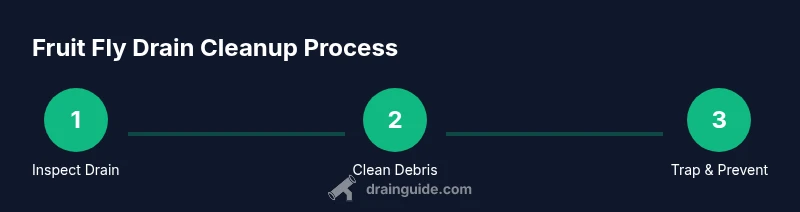
- 1
Inspect and identify breeding ground
visually inspect all drains for slimy films, organic debris, and wet spots. Confirm the likely breeding site before disassembly so you target the right location.
Tip: Wear gloves and keep a bucket ready to capture waste. - 2
Flush with hot water and baking soda
Pour hot water into the drain, then add 1/2 cup baking soda followed by white vinegar to fizz and lift buildup. Let it sit briefly before another hot water flush.
Tip: Avoid splashing; use long, steady pours. - 3
Disassemble the P-trap
Place a bucket underneath, loosen the nuts, remove the trap, and clean out all gunk. Rinse and reassemble, then test for leaks.
Tip: Have towels ready and verify connections are tight. - 4
Apply enzymatic cleaners
Follow product directions to apply enzymatic cleaner into the drain after physical cleaning. Allow it to work for 15–30 minutes before flushing.
Tip: Enzymatic cleaners are slower but effective for ongoing prevention. - 5
Set up adult traps
Place bowls of apple cider vinegar with a drop of dish soap near the drains to trap adults. Refresh traps daily for several days.
Tip: Keep traps away from children and pets. - 6
Establish maintenance and monitoring
Create a routine: monthly deep cleans, weekly hot-water flushes, and ongoing trap checks to prevent reinfestation.
Tip: Consistency is key to long-term success.
Got Questions?
What causes fruit flies to breed in drains?
Fruit flies breed where organic matter accumulates in drains, especially in the P-trap and pipe joints. Biofilms and sugary residues provide food and breeding sites. Reducing residue and cleaning the drain disrupts the lifecycle, preventing continued infestations.
Fruit flies breed where organic matter builds up in your drain, especially in the pipes. Cleaning away the residue stops new flies from being born.
Does boiling water kill fruit flies in drains?
Hot water can help loosen grime and flush debris, reducing breeding grounds. It may not eliminate all eggs or larvae, but it’s a strong first step when combined with baking soda, vinegar, and traps.
Boiling water helps flush away grime and debris, but it’s best used with other steps for full elimination.
Can I use bleach to clean drains for fruit flies?
Bleach can disinfect but may not reach all organic buildup in pipes and can damage seals or create fumes. It’s better to use enzymatic cleaners and mechanical cleaning, following product labels.
Bleach isn’t ideal for this problem; enzymatic cleaners and mechanical cleaning are safer and often more effective.
How long does it take to see results?
Results appear gradually. Initial traps may reduce adults within a day or two, while deep cleaning and enzymatic treatments may take several days to fully clear the breeding site.
You’ll notice fewer flies within a couple of days, with full results after a week of consistent cleaning and maintenance.
Are professional pest control services needed?
Most cases can be resolved with thorough cleaning, proper traps, and maintenance. If the problem returns despite your efforts or there’s a larger infestation, a licensed professional can evaluate plumbing and sanitation.
Usually not, but if it keeps coming back, consider a pro for a deeper assessment.
Will baking soda and vinegar help long-term?
Baking soda and vinegar help disrupt buildup, but they don’t address biofilms behind walls or in traps alone. Use them as part of a broader cleaning and maintenance routine.
They help, but you’ll need ongoing cleaning and traps to keep fruit flies away for good.
Watch Video
The Essentials
- Identify the breeding site before acting
- Use heat, baking soda, and enzymatic cleaners in combination
- Trap adults while cleaning to reduce immediate counts
- Implement regular maintenance to prevent reinfestation
- Prioritize safety and follow product labels