Should You Drain Your Water Heater? A Practical Guide
Learn when and why to drain your water heater, how to do it safely, and how flushing sediment can boost efficiency and extend tank life in your home.


If you’re wondering should you drain your water heater, the short answer is often yes—especially if you have hard water or notice reduced hot water performance. Draining clears sediment that insulates the heater and reduces efficiency, helping the system run more smoothly. The procedure typically takes 30–60 minutes and should be done with the power or gas off and precautions in place.
Should you drain your water heater? Why this maintenance matters
If you’re asking should you drain your water heater, the answer isn’t a one-size-fits-all. In many homes, flushing the tank a few times a year or annually helps remove mineral sediment that settles at the bottom. This sediment acts like insulation, making the heat exchange less efficient and forcing the heater to work harder to reach the same temperature. Over time, that extra strain can shorten the unit’s life and raise energy bills. By draining and flushing, you’ll typically see steadier hot water, more consistent temperatures, and potentially lower operating costs. This guide from Drain Guide provides practical steps to assess your situation, choose the right schedule, and complete a flush safely.
Alongside sediment, mineral content in your water can influence how often you should drain. For hard water, sediment accumulates faster, so a more frequent flush is reasonable. For softer water, you may be able to stretch the interval a bit longer—though routine maintenance remains important. Regular flushing is a proactive approach that helps maintain efficiency, prevents corrosion at the tank’s bottom, and reduces the risk of sediment-related noises. If you’re unsure, start with a light flush a few times a year and adjust based on water quality and performance.
Sediment buildup: what it is and why it matters
Sediment consists of minerals, sand, and other particles that settle to the bottom of a storage tank. When sediment accumulates, it creates a barrier between the heat source and the water, causing longer heating times and greater energy use. It can also cause uneven heating, leading to temperature fluctuations and less reliable hot water. In extreme cases, sediment can trap moisture and promote corrosion at the tank base. Draining the heater helps to reset this layer, allowing the unit to heat water more efficiently and extend its service life. Regular maintenance reduces the chance of clammy or lukewarm water and minimizes the risk of sudden, costly failures.
To minimize sediment buildup, consider combining flushing with a periodic inspection of the anode rod, which protects the interior from corrosion. If your water is highly mineral-rich, you may want to schedule a professional flush every 12–24 months, especially for large-capacity tanks. A proactive approach can save you money in the long run by keeping the heater operating at peak efficiency.
How often to drain: frequency considerations
How often you drain your water heater depends on several factors, especially water hardness, tank size, and usage patterns. In homes with hard water, minerals like calcium and magnesium accumulate more quickly, so a yearly flush or even twice yearly flush may be sensible. In homes with softer water, the interval can be longer, but neglect can still lead to efficiency losses and sediment buildup. If your hot water is taking longer to reach the right temperature, or if you hear popping or rumbling noises from the tank, these are common signs that a drain-and-flush could help.
When planning a maintenance schedule, balance convenience with necessity. A simple annual check-in—testing the pressure relief valve, inspecting for leaks, and flushing if the water looks cloudy or contains sediment—keeps the system reliable without overdoing it. Drain Guide recommends recording your maintenance dates so you can track performance and adjust your plan as needed.
Safety first: prerequisites before you flush
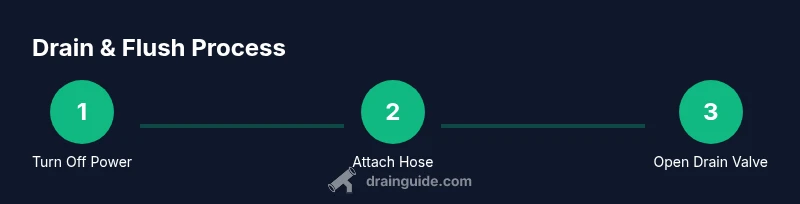
Before you drain, ensure you understand the safety steps. First, turn off the power (electric) or set the gas control to the pilot/off position for gas heaters. Then shut off the cold water supply to the tank to prevent more water from entering while you drain. Attach a garden hose to the drain valve and place the other end in a floor drain or a sturdy bucket. Open a hot-water faucet somewhere in the house to vent air from the line, which helps the tank drain smoothly. Never bypass safety devices or rush the process—pressure can build up, leading to leaks or scalding water. If you’re uncertain about any step, consult a professional.
What to expect during the flush: a typical workflow
A standard flush starts with opening the drain valve and letting the water flow through the hose. As the tank empties, you’ll likely see a mix of clear water and mineral sediment. If the water appears cloudy or brown, continue flushing until it runs clear. After the tank is empty, briefly turn the cold water back on to stir the remaining sediment and push it out. Once the water runs clean, close the drain valve, remove the hose, and prepare to refill the tank. Refill begins by turning the cold water supply back on and allowing water to flow through the hot water tap until steady water comes out, indicating the tank is full.
After the flush: refilling, testing, and maintenance reminders
When the tank is full again, restore power (or flame the gas valve) and re-ignite the heater if needed. Turn on a hot water faucet to vent air and ensure the line is fully primed. Check for leaks around the drain valve and hoses, and inspect the pressure relief valve to ensure it seats properly. If you have a tank with an anode rod, consider inspecting or replacing it as part of your routine maintenance. Finally, keep a log of maintenance activities and water quality so you can adjust future flushes based on performance and hardness. Regularly flushing helps preserve efficiency and prolongs the life of your water heater, making this a worthwhile DIY task for many homeowners.
Tools & Materials
- Garden hose (5-10 ft)(Long enough to reach a floor drain or bucket)
- Bucket or large container(For catching water during the flush)
- Adjustable wrench or pliers(If you need to loosen fittings)
- Safety gloves(Protect hands from hot water and sharp edges)
- Flashlight(Helpful to inspect inside the tank valve area)
- Towel or rag(Wipe up spills and protect floor)
- Chisel or screwdriver (optional)(If you must remove the drain cover carefully)
- Water leak sealer or bucket for drain area(Have on hand for any minor leaks)
Steps
Estimated time: 30-60 minutes
- 1
Power and water shutoff
Turn off the power at the breaker for electric heaters or shut off the gas supply to the heater. Then close the cold-water supply valve to stop new water from entering the tank. This prevents scalding and keeps the tank stable while you drain.
Tip: Verify power is truly off at the breaker before touching electrical components. - 2
Attach hose to drain valve
Connect a standard garden hose to the drain valve located near the bottom of the tank and route the other end to a floor drain or sturdy bucket. Secure connections to prevent leaks.
Tip: Make sure the hose is rated for hot water and fully seated to avoid leaks. - 3
Vent with a hot-water faucet
Open a nearby hot-water faucet to provide air venting as the tank drains. This reduces vacuum resistance and speeds up drainage.
Tip: Do not leave the faucet open for too long—open only enough to vent air. - 4
Open the drain valve slowly
Slowly open the drain valve to start draining. Let the tank empty a bit, then check for solid sediment flowing through the hose.
Tip: Opening too quickly can cause splashing or a sudden surge of hot water. - 5
Flush until clear
Allow the water to run until it appears clear of sediment. If the flow slows, briefly reintroduce cold water to rinse the remaining debris and continue draining.
Tip: If the water remains cloudy, flush for an additional 3–5 minutes before proceeding. - 6
Close drain valve and begin refilling
Close the drain valve and remove the hose. Slowly reopen the cold-water supply to refill the tank, while the hot-water faucet is still running to vent air.
Tip: Keep an eye on the drain area for leaks during filling. - 7
Restore power/gas
Once the tank is full and water flows from the hot faucet, restore power to electric heaters or re-ignite a gas heater as needed. Let the heater come back to temperature.
Tip: Do not rush the re-ignition step; ensure the tank is full before turning the heater back on. - 8
Check for leaks and test
Inspect the drain valve, hoses, and connections for leaks. Run hot water from a nearby tap to confirm temperatures are stable and check that the system heats normally.
Tip: If you notice leaks, tighten fittings or replace damaged components before using the hot water again. - 9
Document and schedule next flush
Record the date and observations from the flush, including water quality and any issues. Schedule the next maintenance based on water hardness and usage.
Tip: Keeping a maintenance log makes future planning easier and ensures consistency.
Got Questions?
Should I drain my water heater every year?
For many homes, a yearly flush is beneficial, especially with hard water. If water quality is good and the heater shows no signs of sediment, you can adjust the interval. Use your experience and a maintenance log to decide the right cadence.
Yes, yearly flushing benefits most homes, particularly where water is hard. Adjust the schedule based on water quality and heater performance.
What are the signs that I need to drain my heater?
Look for reduced hot water output, longer heating times, fluctuating temperatures, noises from sediment, or rusty-looking water. These indicate sediment buildup and a potential need to flush.
If hot water is slow or inconsistent, or you see rusty water, it’s a good time to flush.
Can I drain a water heater myself safely?
Yes, with proper safety steps and the right tools. Make sure to shut off power or gas, close the cold-water inlet, and vent air before draining. If you’re unsure, hire a professional.
Yes, many homeowners do it themselves when they follow safety steps carefully.
What if the drain valve won't open?
Ensure the cold-water supply is shut, then try gently turning the valve with a wrench. If still stuck, stop and consult a professional to avoid damaging the valve or tank.
If the valve won’t open after careful attempts, call a pro to avoid damage.
Is it safe to drain a gas water heater?
Yes, as long as you fully shut off the gas and power and follow the same flushing steps. Ventilate the area and avoid open flames near the work area.
Gas heaters require the same precautions plus ensuring proper ventilation.
What should I do if I see rusty water after draining?
Rusty water usually indicates corrosion inside the tank. It’s a sign the heater may need professional inspection or replacement, especially if the sediment persists after flushing.
Rusty water means your tank may be aging; consider professional assessment.
Watch Video
The Essentials
- Flushing reduces sediment and improves efficiency
- Safety first: power, gas, and water shutoffs are essential
- Expect 30–60 minutes for a standard flush
- Regular maintenance extends heater life