Toilet Clog Drain Cleaner: DIY Guide for Home Fixes
Learn safe, effective methods to unclog toilets with cleaners and tools. Compare enzymatic vs chemical options, follow a step-by-step guide, and prevent future clogs with maintenance tips.


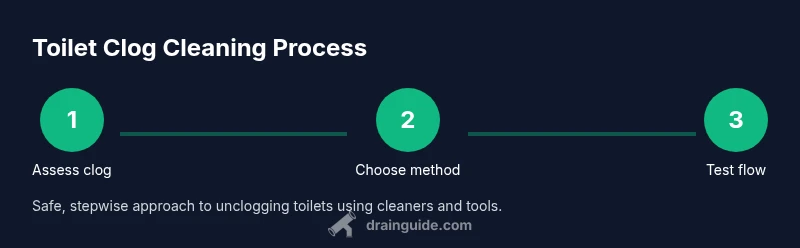
You can safely tackle a toilet clog with cleaners and basic tools by following a clear, step-by-step approach. Start by identifying the blockage type, then choose whether an enzymatic cleaner, a chemical cleaner, or a mechanical tool best fits. Always wear protection, ventilate the room, and never mix cleaners. If the clog persists after the initial method, follow the escalation steps provided.
Understanding Toilet Blockages and Cleaners
Toilets clog for a variety of reasons. The most common culprits include excessive toilet paper, flushing non-flushables like wipes, hair, and mineral buildup. Organic waste can bind with residue to form a compact mass that resists flushing. Enzymatic cleaners work by breaking down organic matter and can loosen these blockages over time, while chemical cleaners act quickly but carry higher risks to pipes, seals, and septic systems. Mechanical tools like plungers and toilet augers provide immediate physical disruption. According to Drain Guide, many household clogs respond best to a measured approach that starts with a mechanical method for light blockages and progresses to cleaners only when appropriate. The Drain Guide team cautions against using multiple cleaners in succession, as mixing products can create hazardous fumes or heat and may damage seals.
This is why understanding your clog’s nature matters. If the blockage is organic and recent, enzymatic cleaners are typically gentler on pipes. For tougher or older organic buildup, a careful mechanical approach may clear the path without risking chemical exposure. If you notice frequent clogs, consider potential plumbing issues beyond the bowl, such as trap design or venting, which a professional can evaluate.
Safety First: Assessing the Situation
Before you reach for a cleaner, safety comes first. Put on rubber gloves and eye protection, and ventilate the bathroom. If the toilet is overflowing, stop flushing, turn off the water supply at the valve behind the toilet, and lay towels to catch spills. Remove excess water with a bucket or sponge. Check whether the blockage is in the immediate toilet trap or deeper in the drain line; if you can reach it with a flashlight, inspect for obvious culprits. If you suspect a septic system issue or recurring clogs, proceed with extra caution and consider professional guidance. Always ensure kids and pets are kept away during the process. If you must test the water level, gently press the plunger and observe how the water responds to your motion.
Safety isn’t just personal protection; it includes preventing accidental chemical reactions. Never mix cleaners, especially those containing bleach with ammonia or acids, as dangerous fumes can form. When in doubt, pause and switch to a mechanical method to avoid chemical hazards.
Choosing the Right Toilet Cleaner or Tool
Your choice depends on the clog type and your plumbing. For organic, soft clogs built from paper and waste, an enzymatic cleaner can gradually break down the matter without harsh chemicals. For faster, obvious blockages, a mechanical method—plunger or toilet auger—often clears the path and reduces chemical exposure. Chemical oxidizers are strong and can be effective for stubborn clogs but should be used sparingly and only with proper ventilation; they may harm pipes or septic systems if misused. If the system is vented and your pipes are in good condition, start with a plunger and progress to a toilet auger before any chemical cleaner. Always read product labels and avoid mixing products with other cleaners.
If you’re unsure, start with mechanical methods. They’re cheap, quick, and less likely to cause downstream damage. Enzymatic cleaners can be a good backup for organic residues after a mechanical attempt, while chemical cleaners should be reserved for stubborn cases and used sparingly.
Mechanical Methods: Plungers and Augers
A proper plunger creates a seal and uses pressure to push the clog free. Use a flange toilet plunger, not a sink plunger, and keep the handle vertical. Place the rubber cup over the drain opening, push and pull with steady force for 15-20 seconds, then pause to see if water drains. If you see movement, repeat up to a minute. If plunging fails, switch to a toilet auger: insert the flexible snake into the bowl and rotate while advancing until you feel resistance, then gently pull back to disrupt the clog. Tip: avoid forcing the snake through the rim or creating a backup. Visual guides can help; refer to the step-by-step images in this guide.
Chemical Cleaners: Enzymatic vs Chemical Oxidizers
Enzymatic cleaners use bacteria or enzymes to digest organics. They’re safer for septic systems and work gradually, which can be ideal for minor organic buildup. Follow label directions, apply the product, and give it time to act before testing the drain again. Chemical oxidizers are stronger and act quickly, but they can damage PVC seals, discolor porcelain, or irritate skin and lungs. Use them only as directed and ventilate the room; never reuse a bottle once it’s opened for a different cleaner. Avoid combining enzymatic products with chemical oxidizers in the same toilet, as this can cause unexpected reactions.
Alternative Solutions if Chemicals Don’t Work
If cleaners don’t move the blockage, consider combining a mechanical approach with safer alternatives. Revisit the plunger, then try a toilet auger with careful, even rotation. A small amount of dish soap followed by a hot-water flush (not boiling) can sometimes lubricate the pathway for a mechanical tool to succeed. Do not mix cleaners to attempt a chemical ‘cascading’ effect; instead, remove the chemicals entirely and restart with mechanical methods. If the clog remains stubborn after multiple attempts, it’s a sign to escalate to professional help.
Prevention and Maintenance
Prevention is simpler than unclogging. Use fewer toilet papers per flush and avoid flushing wipes, sanitary products, or food scraps. Install a toilet-paper billet or cage to reduce jam risk and consider a minor water-efficient flush if you notice repeated slow draining. Regularly pour a small amount of enzymatic cleaner into the bowl monthly to maintain the breakdown of organic residues, especially in homes with septic systems. Keep hair and foreign objects out of the waste stream by using a small screen in the toilet tank or trap area. If you have a shared line or older plumbing, a pro can suggest a preventative maintenance plan tailored to your home.
When to Call a Professional
If the clog persists after a full sequence of methods, or if you notice recurring blockages, do not force the situation. A licensed plumber can assess potential pipe damage, venting issues, or upstream blockages that DIY methods cannot reach. Drain Guide recommends seeking professional help for stubborn clogs or if you see signs of plumbing trouble beyond the bowl, such as gurgling drains or sewer odors. A professional intervention can prevent further damage and provide long-term relief.
Endnotes and Quick Reference
- Always wear protective gear and ventilate.
- Start with mechanical methods for quick wins; reserve chemical cleaners for stubborn cases.
- Never mix cleaners; risks include fumes, heat, and pipe damage.
- If in doubt, call a pro to avoid expensive repairs.
Tools & Materials
- Toilet plunger with flange(Use a flange plunger for a proper seal.)
- Toilet auger (plumber's snake)(Prefer 3- to 6-foot models; extend carefully.)
- Rubber gloves (nitrile)(Protect skin from cleaners and waste.)
- Safety goggles(Eye protection against splashes.)
- Old towels or absorbent rags(Protect floor and catch spills.)
- Bucket(For water transfer if needed.)
- Enzymatic toilet cleaner(Gentle option for organic buildup.)
- Chemical toilet cleaner (oxidizer)(Use only as directed; avoid septic tank use.)
Steps
Estimated time: 30-60 minutes
- 1
Gather and inspect tools
Collect a flange plunger, toilet auger, gloves, goggles, towels, and a bucket. Inspect each tool for damage before use to ensure a safe operation. Confirm the toilet is not blocked by an obvious external obstruction.
Tip: Check the plunger head for a tight seal; a loose seal reduces effectiveness. - 2
Protect the area and prep the toilet
Lay towels around the base and turn off the toilet’s water supply if overflow seems likely. Put on gloves and goggles, then remove excess water with a sponge. Clear the area to prevent slips and to keep the workspace clean.
Tip: Ventilate the room well; avoid inhaling fumes from cleaners. - 3
Choose your unclogging method
Decide whether to start with a plunger, an auger, or a cleaner based on the clog’s suspected cause. For organic buildup, enzymatic cleaners can help; for a rapid response, mechanical methods are often best. Avoid mixing chemical products.
Tip: If you’re unsure, begin with mechanical methods to minimize chemical risks. - 4
Apply the method carefully
If using a plunger, seal the flange and push with steady force for 15-20 seconds. For an auger, insert gently and rotate while advancing until resistance clears. If using a cleaner, follow the label and wait the recommended dwell time before testing.
Tip: Never force the auger through a seal; resistive contact is a sign to stop. - 5
Test the drain flow
Flush or pour a small amount of water to test if the flow improves. Repeat the chosen method once or twice if necessary, up to a reasonable limit. If the toilet still won’t drain, stop and consider alternatives.
Tip: Do not flood the bowl with more water than necessary; excess water can overflow. - 6
Clean up and sanitize
Dispose of used towels and any disposable implements safely. Rinse tools with clean water and store them properly. Sanitize the surrounding area and wash your hands thoroughly after the job.
Tip: Wash hands with soap for at least 20 seconds to remove residual pathogens. - 7
Prevent future clogs
Limit what goes into the toilet, use a screen or cage to catch debris, and schedule periodic maintenance. Consider a monthly enzymatic treatment if you have a history of slow drains.
Tip: A small preventative routine saves big repair costs later. - 8
Know when to call a pro
If the clog remains after multiple attempts or you notice plumbing issues beyond the bowl, contact a licensed plumber. Complex blockages may require specialized equipment.
Tip: Professional help is prudent for stubborn or recurring clogs to prevent damage.
Got Questions?
What is the safest toilet clog cleaner?
Safer options are enzymatic cleaners that digest organic material. They’re typically gentler on septic systems and pipes compared with harsh chemical oxidizers. Always follow label instructions and never mix products.
Enzymatic cleaners are safer for most homes and work gradually. Always follow the label and avoid mixing cleaners.
Do enzymatic cleaners harm septic systems?
Enzymatic cleaners are designed to be septic-safe when used as directed. They rely on bacteria to break down organic matter, reducing risk to septic tank integrity if used properly.
Enzymatic cleaners are designed to be septic-safe if used as directed. Follow the label closely.
Should I flush after using a chemical cleaner?
Yes, flush according to the product’s instructions after the dwell time, and ensure the flow is clear. Do not mix with other products and ventilate during use.
Flush as directed after the cleaner’s dwell time and ventilate the area.
Is a toilet auger better than a plunger?
Use a plunger for quick, surface-level clogs. A toilet auger is better for deeper or stubborn blockages where the plunger can’t reach.
A plunger is great for quick clogs; an auger helps when the plunger can’t reach the blockage.
Why does a toilet clog recur after cleaning?
Clogs recur if the underlying issue isn’t resolved, such as flushing inappropriate items, slow drain due to mineral buildup, or venting problems. A professional can identify root causes.
Recurring clogs usually indicate an underlying problem; a pro can diagnose it.
When should I call a plumber?
Call a plumber if clogs persist after multiple methods, if you notice leaks, gurgling, or sewer odors, or if you’re unsure about the plumbing condition.
Call a plumber if the clog won’t clear after several attempts or you notice signs of plumbing trouble.
Watch Video
The Essentials
- Identify the clog type before choosing a method.
- Wear safety gear and ventilate the area.
- Start with mechanical methods for simple clogs.
- If unsure or unresolved, call a professional.