AC Drain Line Unclogger: DIY Guide to Clear Your Condensate Line
Learn safe, practical methods to unclog your AC condensate drain line using a proven process, essential tools, and maintenance tips to prevent leaks and mold.


Using an ac drain line unclogger helps prevent condensate overflow and mold growth. This guide lays out safe, practical methods—non-destructive first steps, then mechanical cleaning with a drain auger or wet/dry vac, plus maintenance to prevent future clogs. You’ll learn when to DIY and when to call a pro.
What Causes AC Drain Line Clogs
A clogged condensate drain line is a common source of water leaks in a cooling system. The line carries moisture from the evaporator coil to an exit or drain, but over time it can accumulate algae, mold, mineral buildup, and debris from the HVAC cabinet. This buildup narrows the channel, slows drainage, and can trigger the safety switch if the condensate pan overflows. Regular maintenance and using the right ac drain line unclogger methods reduce the risk of overflow, water damage, and costly repairs. The Drain Guide team notes that preventive care is the most effective defense for homes with high humidity or frequent use of AC units.
What Is an ac drain line unclogger
An ac drain line unclogger isn’t a single device; it’s a combination of methods and tools designed to clear condensate lines safely. You may rely on enzymatic cleaners that break down organic matter, a wet/dry vacuum to suck out buildup, and a manual drain auger to physically break through stubborn blockages. The goal is to restore a clear path for condensate water while avoiding backflow or damage to the drain pan and pump. The right approach depends on how accessible the line is and whether a pump is present.
Safety First: Turn Off Power and Protect Yourself
Always start by powering down the AC system at the breaker to prevent shock or the unit cycling while you work. If a condensate pump is present, disable it as well. Wear gloves, eye protection, and non-slip footwear. Keep kids and pets away, and never work with standing water near electrical components. A cautious, methodical approach minimizes risk when using an ac drain line unclogger.
Signs Your Condensate Drain is Clogged
Look for an overflowing drain pan, a gurgling or bubbling drain line, musty odors around the HVAC cabinet, or water pooling on the floor near the furnace or air handler. High indoor humidity, frequent coil icing, or a tripped float switch are additional indicators. If you notice these signs, address the clog promptly to prevent water damage and potential mold growth.
Quick, Non-Destructive First Steps
Before pulling out tools, try simple methods. Pour an enzymatic drain cleaner designed for condensate lines and flush with warm water to help dissolve biofilm. Avoid aggressive chemical mixes and never pour unknown household cleaners into the line. If these steps don’t relieve the clog, proceed to mechanical methods with appropriate tools.
Step-By-Step: Using a Wet/Dry Vac to Clear the Line
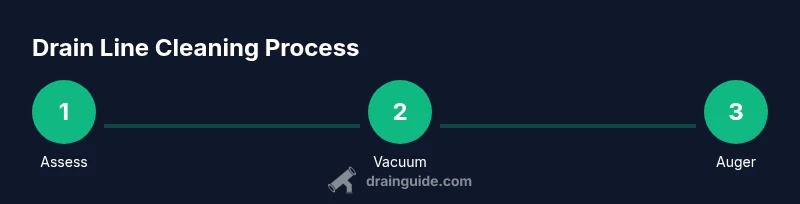
Position the vac at the drain opening and seal the hose as tightly as possible to prevent backflow. Set the vac to liquid mode and apply steady suction for 1–3 minutes to pull the clog toward the canister. Remove the hose and inspect for debris. If blocked, repeat with gentle additional suction and then flush with clean water to test flow.
Step-By-Step: Mechanical Cleaning with an Auger
Insert a drain auger into the access point and advance slowly, twisting as you push to break up the clog. When you feel resistance, work the auger back and forth to dislodge the blockage. Withdraw the auger and flush with water to confirm clear flow. Keep the line free of sharp bends that can trap debris and hinder cleaning.
Step-By-Step: Chemical Helpers (Enzymes vs Bleach)
Enzymatic cleaners are typically gentler and safer for condensate lines than bleach or strong acids, and they work by digesting organic buildup. If you choose a chemical cleaner, follow the label closely and avoid mixing with other cleaners. After treating, flush thoroughly with clean water to remove residue and prevent line damage.
Step-By-Step: Reconnecting and Testing
Reconnect any disassembled components, re-seat the drain line, and restore power to the unit. Run the AC and observe the drain for a few minutes to ensure continuous flow. Check the condensate pan for standing water and verify the float switch doesn’t trip. If water continues to back up, stop and reassess the line.
Prevention and Maintenance for Long-Term Reliability
Establish a simple maintenance routine: inspect the line accessibility, flush with enzymatic cleaner or warm water every few months, and schedule seasonal checks. Replace damaged line sections promptly and keep the drain area clean from dirt and debris. Regular maintenance reduces the chance of recurring clogs and keeps your system running efficiently.
Tools & Materials
- Wet/dry vacuum(Liquid-capable model; ensure it’s clean and empty)
- Drain auger / plumber’s snake(3-6 ft flexible cable)
- Manual plunger (sink-type)(Non-marring rubber cup)
- Bucket(To catch any spills)
- Towels or rags(Absorb spills; protect floors)
- Gloves(Chemical- and biofilm-safe)
- Safety goggles(Eye protection)
- Enzymatic condensate drain cleaner(Safer biofilm remover)
- Household cleaner (optional, for residues)(Follow label directions; do not mix chemicals)
- Flashlight(Illumination for dark access points)
Steps
Estimated time: 60-120 minutes
- 1
Power down the system
Switch off the AC at the breaker and, if present, disable the condensate pump. This prevents shock and stop-start cycling while you work.
Tip: Double-check that the unit cannot automatically restart during maintenance. - 2
Locate access point for the drain line
Find the condensate drain line access near the air handler or furnace. Clear a small workspace and remove any panels to expose the drain cleanly.
Tip: Use a flashlight to inspect the underside of the cabinet for low-hanging debris. - 3
Try non-destructive first steps
Pour enzymatic cleaner into the drain and flush with warm water. Avoid harsh cleaners that can damage metal components or seals.
Tip: Wait a few minutes to allow enzymes to soften buildup before proceeding. - 4
Vacuum the line as a first mechanical aid
Attach the hose to the drain opening and apply steady suction to pull out loose debris. Monitor the canister to prevent overfilling.
Tip: Seal the hose connection as best as possible to maximize suction. - 5
Auger through stubborn blockages
Insert the auger and rotate while pushing to break the clog. Retrieve the cable slowly and inspect for removed material.
Tip: Avoid forcing the auger through tight bends to prevent pipe damage. - 6
Rinse and test the line
Flush the line with clean water and look for a steady, unobstructed flow. Check that condensate water drains away from the unit.
Tip: If you see leaks, stop and inspect connections for proper sealing. - 7
Check the condensate pan and float switch
Inspect for cracks or corrosion and ensure the float switch activates correctly when water level rises.
Tip: Replace damaged parts promptly to avoid overflow. - 8
Reassemble and restore power
Put covers back in place, reconnect any removed wires, and turn the power back on at the breaker.
Tip: Run a test cycle to confirm proper drainage. - 9
Verify with a real test run
Cycle the system for a full few minutes and observe the drain line for consistent flow and the absence of leaks or overflows.
Tip: Be prepared to halt the test if you notice any signs of damage. - 10
Establish ongoing maintenance
Schedule regular checks, clean the line at the start of each cooling season, and use enzymatic cleaners to prevent buildup.
Tip: Keep a simple calendar or reminder to avoid neglect.
Got Questions?
What causes AC drain line clogs?
Clogs form when biofilm, algae, mineral buildup, and debris accumulate in the condensate line. Poor filtration and high humidity accelerate buildup, increasing the risk of overflow.
Clogs form from biofilm, algae, mineral buildup, and debris in the condensate line. Humidity and poor filtration speed up buildup.
Is it safe to use bleach to clear the condensate line?
Bleach can damage metal components and pumps if misused. Enzymatic cleaners are typically safer for condensate lines, with careful follow-up flushing with clean water.
Bleach isn’t always safe for condensate lines; enzymatic cleaners are usually safer and should be followed by thorough rinsing.
Can a wet/dry vacuum damage my AC?
A properly used wet/dry vacuum designed for liquids can help clear the line; avoid high suction and never use a household vacuum without liquid capability on wet components.
A liquid-capable wet/dry vacuum can help if used carefully; avoid unsafe suction levels and non-liquid vacuums.
How often should I flush my condensate drain?
Regular maintenance, such as flushing and inspecting the line at the start of each cooling season, helps prevent biofilm buildup and reduces clog risk.
Flush and inspect the condensate line at the start of each cooling season to prevent clogs.
What if the clog returns after cleaning?
If clogs recur, check for persistent leaks, bad line routing, or a failing condensate pump. A professional evaluation may be necessary to replace faulty components.
Recurring clogs may indicate a bigger issue like a faulty pump or line damage; consider a pro evaluation.
When should I call a professional?
Call a professional if you cannot clear the clog, if odors or mold persist, or if you notice water damage. They can assess system integrity and replace compromised parts.
Call a professional if you can't clear the clog or there's mold or water damage.
Watch Video
The Essentials
- Identify clog signs early to prevent overflow.
- Start with non-destructive methods before mechanical cleaning.
- Enzymatic cleaners are safer for condensate lines than harsh chemicals.
- Inspect the pan and float switch to prevent future floods.
- Create a simple maintenance routine to minimize recurring clogs.