What to Clean AC Drain Line With: Safe Methods and Tools
Learn safe, practical steps to clean your AC condensate drain line using common household solutions, proper tools, and maintenance tips to prevent clogs without damaging your system.


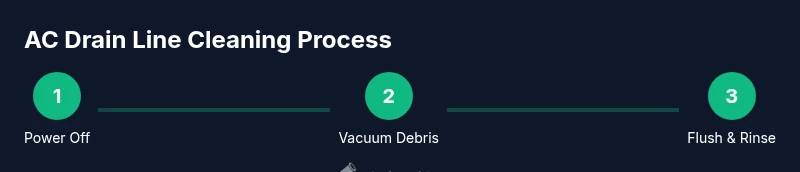
To clean an AC condensate drain line, shut off power, locate the line, and remove any standing water or debris with a wet/dry vacuum. Then flush with a safe solution such as white vinegar or hydrogen peroxide mixed with water, followed by a thorough rinse. If clogs persist, stop and contact a qualified HVAC technician.
what to clean ac drain line with
According to Drain Guide, keeping your AC condensate drain line clear is essential to prevent water damage, mold growth, and humidity problems in your home. A clean drain line also helps your cooling system run efficiently and reduces the odds of overflow into the pan. This guide uses common household solutions and practical steps you can perform safely in a typical home environment. By understanding what to clean ac drain line with, you’ll approach maintenance with confidence and minimize the need for emergency repairs.
Understanding the drain system and how clogs form
An air conditioning condensate drain line is designed to remove moisture condensed from indoor air. Over time, mineral deposits, algae, mold, dust, and debris can accumulate inside the line, especially in humid climates. When slow drainage occurs, standing water can stagnate, leading to foul odors and a higher risk of overflow. Routine monitoring of line visibility, cleanout caps, and trap integrity helps prevent these issues. Drain clogs aren’t just inconvenient; they can impact humidity control and acidify the condensate, potentially harming nearby surfaces if not addressed.
Safe cleaning agents: what to use and what to avoid
For most residential applications, safe, household-grade cleaners are sufficient. White vinegar is a gentle disinfectant and can help break down mineral buildup without harsh chemical residues. Hydrogen peroxide (3% solution) is another effective option for disinfection and algae control when diluted with water. Bleach can be used in some cases, but it should be used with caution and in well-ventilated areas, and never mix with ammonia or other cleaners. Avoid strong caustic drain cleaners that can corrode PVC piping or irritate indoor air quality. Always verify compatibility with your system’s materials and local codes.
Tools and prep: what you'll need
Gather the items below before starting to ensure a smooth workflow. A wet/dry vacuum is highly effective for removing standing water and debris. Have protective gloves and safety glasses on hand, plus towels or rags for cleanup. Optional tools like a drain snake can help with stubborn clogs, but start with simpler methods. Label and cap any electrical access near the unit to minimize heat and moisture exposure. This preparation reduces mess and speeds up the cleaning process.
The flushing process: step-by-step approach
The flushing process combines physical removal with chemical sanitation. Start by removing obvious debris from the line access and using a vacuum to pull out standing water. Then flush the line with your chosen solution (vinegar or diluted hydrogen peroxide), allowing it to flow through the line and into a drain or outside area. Finally, run clean water through the line to rinse away residues. Recheck the trap and cap for secure closure after flushing to prevent recurrence of blockages.
Post-cleaning checks and maintenance
After flushing, inspect the line for any signs of leakage or cracks. Run the AC and observe the condensate flow to ensure it’s moving freely. Schedule periodic checks every 3–6 months depending on climate and usage. Consider a seasonal maintenance routine that includes a light preventative flush with vinegar or hydrogen peroxide to keep mineral buildup in check. Keeping a small maintenance log helps track when you cleaned the line and when you should repeat the process.
Safety considerations and when to call a pro
Always power off the unit before starting and never put your hands into a running system. If you notice persistent clogs, odd resident odors, or wet spots near the indoor unit, these can indicate more significant issues such as a blocked line, damaged drain pan, or improper slope. In such cases, it's prudent to hire an HVAC professional. A licensed technician can diagnose hidden problems, test airflow, and ensure the refrigerant system remains unaffected by cleaning procedures.
Common mistakes that lead to recurring clogs
One common mistake is using overly aggressive chemical cleaners that can damage PVC or metal components. Another is neglecting the drain pan and trap, which can harbor mold and mineral buildup. Failing to maintain a proper line slope or ignoring obvious signs of moisture around the unit also invites repeat clogs. Finally, relying on do-it-yourself fixes for complex issues without proper safety precautions can result in injury or system damage.
Tools & Materials
- Wet/dry vacuum(To remove standing water and debris from the line)
- Bucket or tray(For collecting liquids and waste)
- Protective gloves(Keep hands clean and protected)
- Safety glasses(Protect eyes from splashes)
- White vinegar(Gentle disinfectant and buildup remover)
- Hydrogen peroxide (3%)(Disinfectant and algae control)
- Plastic cup or measuring container(Optional for dilution accuracy)
- Drain snake (hand auger)(Helpful for stubborn clogs)
Steps
Estimated time: 45-60 minutes
- 1
Power off and access the drain
Turn off the HVAC unit at the breaker to prevent accidental startup. Locate the condensate drain line access, typically near the indoor evaporator coil or on the drain pan. Ensure the area is dry and free of obstacles before proceeding.
Tip: Label the area so you remember where the cleanout is for future maintenance. - 2
Remove visible debris
Gently remove any leaves, dirt, or buildup you can reach from the drain access. Use gloves to protect your hands and a dry cloth to wipe the area dry after removing debris.
Tip: Do a quick visual check for signs of cracked fittings or corrosion as you clean. - 3
Vacuum out standing water
Use the wet/dry vacuum to suction out standing water from the drain pan and line. This reduces initial blockage and makes subsequent flushing more effective.
Tip: Keep the vacuum at a safe distance to avoid tip-overs; use a bucket to pre-collect liquid if needed. - 4
Prepare and flush with a safe solution
Choose a safe cleaning agent (white vinegar or hydrogen peroxide diluted with water) and pour or slowly flush it into the drain line. Allow a few minutes for the solution to move through the line and break up residues.
Tip: Never mix cleaners; use one solution at a time to prevent chemical reactions. - 5
Rinse and confirm flow
Run clean water through the line to rinse away loosened debris and residues. Watch for a steady, clear flow through the exit point. If water backs up, pause and recheck for remaining blockages.
Tip: If the exit point is inaccessible, flush until you see clear effluent at the pan or drain termination. - 6
Reassemble and test
Reset any caps, reattach panels, and restore power. Run the system for a short cycle to verify continuous drainage and absence of leaks. Note any unusual noises or slow drainage for further inspection.
Tip: Keep a maintenance log with dates to track when you last cleaned the drain line.
Got Questions?
Is it safe to use bleach in an AC drain line?
Bleach can be used in some cases, but it must be diluted and used carefully in well-ventilated spaces. Avoid mixing with other cleaners and always follow manufacturer guidelines for your system.
Bleach can be used with caution in some cases, but dilution and ventilation are essential. Follow manufacturer guidelines and never mix it with other cleaners.
How often should you clean the drain line?
Typical guidance suggests cleaning every 3 to 6 months, with more frequent maintenance in humid environments or homes with hard water buildup.
Most homes do maintenance every 3 to 6 months, depending on humidity and mineral buildup.
What are the signs of a clogged AC drain line?
Watch for standing water, damp or musty odors near the unit, gurgling sounds, and increased indoor humidity. These indicate drainage issues that may require cleaning.
Look for water backup, smells, or higher humidity near the unit—these signal a clogged line.
Can baking soda and vinegar clear the line?
A combination can create fizz, but it’s not a robust solution for blockages. It’s best used as a light maintenance flush rather than a primary cleaning method.
Baking soda and vinegar aren’t a strong fix for clogs; use them mainly for light maintenance.
When should I call a professional?
If cleaning doesn’t restore drainage, or you notice leaks, suspect a damaged line, improper slope, or refrigerant-related issues, contact a licensed HVAC technician.
If drainage remains poor after cleaning or you see leaks, call a licensed HVAC tech.
Will cleaning the drain line harm my AC?
Using safe, diluted cleaners and following precautions minimizes risk. Avoid aggressive chemicals that could corrode components and always power down before maintenance.
Using proper, diluted cleaners and following safety steps won’t harm your AC. Power down first.
Watch Video
The Essentials
- Always power off before starting maintenance
- Use safe, household cleaners for routine cleaning
- Vacuum first, then flush for best results
- Maintain a simple maintenance log
- Call a pro for persistent clogs or damaged components