Catch Basin vs Drain Inlet: A Practical Comparison for Home Drainage
Compare catch basins and drain inlets to decide which suits your residential drainage: definitions, installation, maintenance, sizing, and best use cases.


Catch basins collect surface runoff and debris, while drain inlets feed water into underground pipes. They serve different roles in a drainage system, so choose based on location, flow rate, and maintenance needs. Understanding their differences helps you plan for proper grading, trap maintenance, and code compliance.
What Are Catch Basins and Drain Inlets?
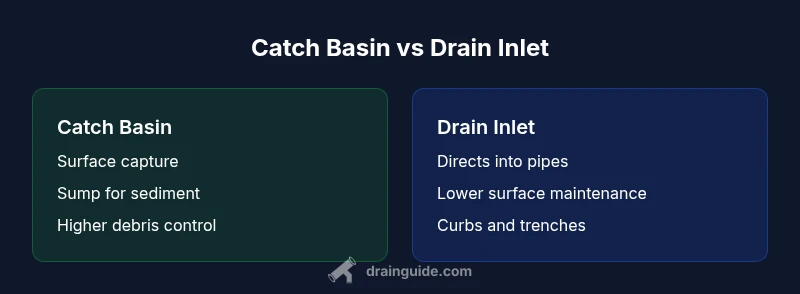
Catch basins and drain inlets are essential components of a property's drainage system, but they serve different roles. A catch basin sits at surface level, usually with a grate and a small sump that collects runoff water and sediment before it flows into underground pipes. A drain inlet is typically set into a curb, a trench, or a similar feature and directs water into the storm sewer with minimal surface interaction. In the catch basin vs drain inlet comparison, the key distinction is not only where water enters, but how debris, sediment, and peak flows are managed over the life of the system. For homeowners, understanding these differences helps plan grading, select appropriate components, and align with local codes and maintenance schedules.
How They Function in a System
In most residential or commercial drainage schemes, water moves by gravity from surface sources to an underground network. Catch basins act as intermediate collection points with a sump that traps sediment and keeps large debris from entering pipes. Drain inlets accept surface water from street gutters, driveways, or sidewalks and feed it directly into pipes with less surface exposure. The two components are designed to complement one another; a well-planned system might employ catch basins in larger surface areas and drain inlets at curb lines where precise entry points reduce erosion and risk of clog. Proper placement also helps maintain a stable grade and prevent standing water.
Outdoor Catch Basins: Pros, Cons, and Typical Scenarios
Outdoor catch basins excel where there is heavy surface runoff, such as near driveways, parking lots, or sloping yards. Their sump traps sediment and allows for periodic cleaning, which can extend pipe life and reduce downstream clogging. However, they require regular maintenance and more space; installation tends to be more involved and expensive than a simple inlet. Debris and sediment can accumulate in the sump, so homeowners must schedule routine removal and inspect grates for damage. Catch basins work best when drainage areas are wide or when you need to isolate debris before water enters the conveyance system.
Curb Inlets and Slotted Drains: Where Drain Inlets Shine
Drain inlets—often curb-based or trench-style—provide direct entry points for water into the underground network with minimal surface features. They are typically easier to install in tight spaces and are effective along roadways or sidewalks where precise capture is needed. The main downside is that inlets can clog if the grate collects leaves or trash; some designs include backflow protection or grates with coarser openings to balance debris capture and flow. Drain inlets shine in areas where space is limited or where water must be rapidly diverted away from foundations and walkways.
Debris, Sediment, and Maintenance: What to Expect
Maintenance is a critical factor in the catch basin vs drain inlet decision. Catch basins require periodic cleaning of the sump and grate to remove sediment and trapped debris. If neglected, sediment build-up can reduce capacity and cause backups. Drain inlets generally require less surface maintenance, but their grates can clog with leaves or soil over time, reducing flow. A maintenance plan for either component should include a schedule for inspection, cleaning, and grate replacement. In both cases, ensure access for service tools, and verify that downstream pipes remain clear after clearing surface debris.
Sizing, Flow Capacity, and Matching to Drainage Area
Sizing is a core engineering consideration and should reflect the drainage area, expected rainfall intensity, and local codes. A catch basin often serves a larger surface area and higher peak flow with its sump, while a drain inlet is sized to handle the projected flow for a curb-cut or trench section. In practice, homeowners should consult local guidelines and, when in doubt, opt for a slightly larger capacity to accommodate heavy events. Accurate documentation of drainage area, slope, and downstream pipe capacity will help you select the right component and prevent future overflows.
Materials, Grates, and Longevity
Catch basins are commonly constructed from concrete or durable polymers, with heavy-duty metal or composite grates. Drain inlets may use similar materials but often prioritize lighter-weight, curb- or trench-friendly designs. Longevity depends on exposure, freeze-thaw cycles, and traffic load. High-traffic areas benefit from robust metals; more decorative residential curb inlets may use polymer or ductile iron with protective coatings. Selecting compatible materials for local climate and maintenance capabilities extends the life of either option.
Installation Considerations and Common Pitfalls
Correct installation is essential to preserve function and prevent cracks, leaks, or misalignment. Always verify proper grading so water flows toward the basin or inlet without pooling. Ensure bedding and backfill are adequate to avoid shifting that can compromise joints. Common pitfalls include undersized grates, insufficient depth, shallow burial leading to poor filtration, and neglecting downstream clearances. Compliance with local codes and the guidance of a licensed professional reduces risk and ensures consistent performance over many years.
Comparison
| Feature | Catch Basin | Drain Inlet |
|---|---|---|
| Location / Typical Use | Outdoor surface collection near driveways or yards | Curbsides or near foundations, feeding underground pipes |
| Flow Capacity | Higher potential capacity for large surface areas | Designed for controlled entry from specific planes |
| Debris Handling | Grate and sump trap debris; sediment sits in sump | Grate blocks debris; typically no sump for sediment |
| Maintenance Needs | Regular sump cleaning and grate inspection | Periodic grate cleaning; less surface access |
| Installation Depth | Typically shallow; grade-following surface | |
| Best For | Heavy surface runoff areas; larger lots | Curb lines, sidewalks, or foundation drainage |
Positives
- Improved debris capture and sediment storage with basins
- Better control of surface water in large areas
- Potential for easier future maintenance via accessible sump
Cons
- Higher upfront cost and more space needed
- Regular maintenance required to prevent clogging
- Can require more complex installation and grading
Catch basins are generally better for larger outdoor areas with debris capture needs; drain inlets excel along curbs and tight spaces for direct flow into underground pipes.
Choose catch basins when surface areas are large or debris loads are high. Opt for drain inlets for curb-adjacent, space-constrained drainage. In many settings, a combination provides the best balance of capacity, access, and maintenance.
Got Questions?
What is the primary difference between catch basins and drain inlets?
Catch basins are surface-level collection points with a sump to trap sediment, while drain inlets are curb or trench entries that feed water into underground pipes. Both serve drainage goals but handle debris and flow differently.
Catch basins collect debris and sediment at the surface with a sump, whereas drain inlets feed water directly into the underground system from a curb or trench.
Can I replace a catch basin with a drain inlet or vice versa?
Replacement depends on site conditions, desired maintenance, and space. In some cases, a hybrid design—using both components—provides better performance. Always consult local codes and a drainage professional.
Sometimes you can replace one with the other, but often a hybrid approach works best.
How do I determine which to install for a residential property?
Evaluate the drainage area size, debris load, and proximity to structures. Outdoor, large areas favor catch basins; curb-adjacent or narrow spaces favor drain inlets. Local codes and rain events also drive decision.
Look at how big the area is and where water comes from to decide which piece fits best.
What maintenance steps are needed for catch basins?
Regularly remove the grate, scoop out sludge from the sump, and wash out fine sediment. Inspect joints for leaks and ensure the outlet remains clear. Schedule cleaning after seasonal changes or heavy rainfall.
Clean the grate and sump, check for leaks, and keep the outlet clear.
Are drain inlets better for curb appeal or aesthetics?
Drain inlets can be less obtrusive on sidewalks and curbs, especially when paired with fine-grate designs. However, appearance varies with material and finish. Function should take priority over aesthetics in most cases.
They can look cleaner on curbs, but function matters most.
Do local codes require one or the other in residential settings?
Code requirements vary by jurisdiction. Some areas mandate certain drainage strategies for stormwater management. Always check local building and drainage codes before installing.
Check your local codes first to ensure compliance.
The Essentials
- Assess drainage area and debris load before choosing components
- Plan for regular maintenance to prevent clogging
- Match component depth and grading to local codes
- Consider a mixed approach to optimize coverage and accessibility
- Use durable materials suited to climate and traffic