How to Clean a Sink Drain With Baking Soda and Vinegar
A practical, step-by-step guide to clear minor sink clogs using baking soda and vinegar. Learn safe techniques, maintenance tips, and troubleshooting to keep your drains flowing smoothly.


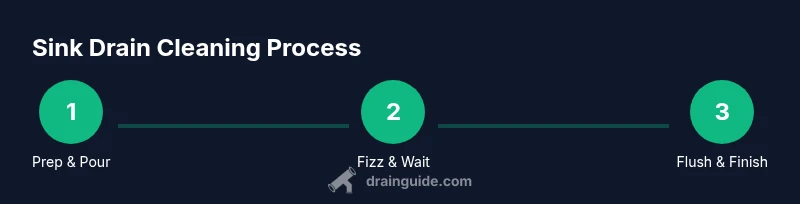
Goal: clean a sink drain with baking soda and vinegar. This method uses a baking soda flush, a vinegar reaction to loosen debris, followed by hot water. You’ll need baking soda, white vinegar, hot water, and a plunger or drain snake if you have one. Start by removing standing water and pouring baking soda into the drain, then vinegar, and wait before flushing with hot water.
Why this method works for kitchen sink drains
According to Drain Guide, the classic baking soda and vinegar method leverages a safe chemical reaction and physical action to loosen soap scum, grease, and hair-lint build-up in common kitchen drains. Baking soda acts as a mild abrasive and base, while vinegar provides acidity to help break down organic deposits. The fizz helps lift debris away from the pipe walls, creating space for water to flow again. This approach is popular for minor clogs and regular maintenance because it avoids harsh chemicals and is inexpensive. In homes with PVC or metal plumbing, this method is especially gentle, reducing corrosion risk when compared with stronger caustic cleaners. Always consider your specific pipe material and local codes when trying any DIY solution. Drain Guide emphasizes safety and observation; if you notice persistent drainage problems, escalate to a professional.
Step-by-step overview
The following steps outline a practical, repeatable routine. Start with the simplest approach and only escalate to mechanical tools if the drain remains slow. This section provides the rationale behind each action, helping you adapt the technique to your home without risking damage to pipes or fixtures.
Drain types and their impact on the method
PVC and metal drains respond well to baking soda and vinegar when used as a maintenance tactic. Plastic traps and metal tailpieces can accumulate different residues, so you may notice varying fizz intensity. For garbage disposals, run cold or warm water alongside the procedure to avoid creating odors or jams. If you have a septic system, moderate vinegar use is advisable to protect beneficial bacteria. Always observe how your system responds and adjust if you detect unusual smells or reduced drainage speed.
Troubleshooting common results
If you observe only a partial improvement, consider repeating the treatment with precise measurements and a longer soak time. Slow drainage may indicate a deeper clog or a buildup in the P-trap. In some cases, food particles, hair, or grease escape into the trap and require direct removal. Do not force tools beyond safe limits; forcing a snake or plunger can damage seals and pipes. In most homes, repeating the fizz-and-flush cycle once or twice will restore flow.
Maintenance tips to prevent clogs
Prevention is simpler than cure. Consider a weekly or biweekly routine of boiling-water flushes, especially if you notice slow drainage after heavy use. Use a mesh screen to catch hair and food scraps before they enter the drain. Clean the P-trap periodically to remove settled debris. Keep chemical cleaners to a minimum and rely on mechanical clearing when needed. A regular routine reduces the risk of major clogs and preserves your plumbing.
Safety and environmental considerations
Baking soda and vinegar are relatively safe for most residential drains, but never mix with bleach or other caustic cleaners. Wear gloves if you have sensitive skin, and ensure good ventilation when using the products. If you have a septic system, avoid over-rinsing with strong acidic solutions that could upset the microbial balance. After treating the drain, dispose of any leftovers responsibly and avoid pouring large quantities down the drain at once.
When to call a professional
If the drain remains slow after two complete fizz-and-flush cycles and a hot-water flush, it’s time to escalate. Persistent clogs can indicate pipe damage, a deeper block, or venting problems that require professional diagnostic tools. A licensed plumber can inspect the trap, pipes, and beyond to identify root causes and provide corrective solutions that prevent future issues.
Common mistakes to avoid
Don’t mix vinegar with bleach or other corrosive cleaners, which can release hazardous gases. Don’t pour boiling water too aggressively into a porcelain sink, which could crack the basin. Avoid using harsh chemical drain cleaners regularly, which can damage pipes and seals. Finally, don’t rush the process; allow adequate soak time for the fizz to act and remember that some clogs simply require mechanical removal.
Tools & Materials
- Baking soda(About 1/2 cup to 1 cup, depending on drain size)
- White vinegar(1 cup)
- Hot water(Boiled water from kettle or pot, ready to flush)
- Measuring cup(For portioning baking soda)
- Drain plunger (optional)(Helpful for initial agitation if the clog is stubborn)
- Rubber gloves (optional)(Keeps hands clean and protected)
- Drain snake or auger (optional)(Use if the clog persists after fizzing and flushing)
Steps
Estimated time: 25-30 minutes
- 1
Prepare the area and remove standing water
Clear the sink, remove any standing water using a cup or sponge. This ensures you observe the effect of the treatment and reduces splashing. Keeping the area dry also helps you monitor the drain’s response to the fizzing action.
Tip: Having a dry surface helps you notice improvements more clearly. - 2
Add baking soda into the drain
Pour 1/2 to 1 cup baking soda into the drain, distributing as far into the pipe as possible. The baking soda coats the walls and begins to loosen grease and soap scum ahead of the fizz.
Tip: Use a funnel or spoon to guide the powder deeper into the drain if needed. - 3
Pour vinegar into the drain and start fizzing
Slowly pour 1 cup white vinegar; the chemical reaction with baking soda creates fizz that dislodges gunk in the trap and pipes. Keep your face away from the opening to avoid splashes.
Tip: Pour gradually to control overflow and observe the bubbling reaction. - 4
Let the fizz work for 5–10 minutes
Allow the bubbling action to travel through the P-trap and into the horizontal pipes, helping to break up stubborn deposits. Do not rush this step; patience yields better results.
Tip: If you see overflow, pause briefly and reduce agitation. - 5
Flush with hot water
Boil water and pour in a steady stream for 30–60 seconds after fizzing stops. The hot water helps dissolve fats and push debris toward the main drain.
Tip: Run water while the pour finishes so the flow remains consistent. - 6
Optional: use a plunger or drain snake for stubborn clogs
If water drains slowly, use a plunger or snake to dislodge remaining blockage. Ensure a good seal and apply steady, gentle pressure rather than brute force.
Tip: Begin with the plunger before moving to a snake to minimize damage risk. - 7
Assess drainage and repeat if needed
Check flow; if still slow, repeat steps 2–5 or move to a mechanical method. Reassessing after a short wait can reveal improvements that weren’t visible immediately.
Tip: Don’t overdo the cycle; two rounds are usually enough for minor clogs.
Got Questions?
Is this method safe for all sink types?
For most residential sinks made of PVC or metal, yes. Avoid applying vinegar to damaged pipes or coatings that may react to acidity. If you notice corrosion, leaks, or persistent odors, stop and consult a professional.
Generally safe for most homes, but stop if you notice any damage or persistent problems and contact a plumber.
How often can I repeat the baking soda and vinegar clean?
Use this method for minor clogs every few days as needed. If the drain remains slow after a couple of attempts, consider mechanical cleaning or professional evaluation.
You can repeat every few days if needed, but if it doesn’t clear after a couple tries, call a pro.
Can I use this method with a garbage disposal?
Yes, but avoid relying on it for large blockages. Run water while applying the solution and ensure the disposal is modern and in good condition. If problems persist, use mechanical methods.
It's generally fine with a disposal, just don’t push large clogs and run water while you work.
Will baking soda and vinegar remove hair clogs?
This method helps with grease and soap scum, and can loosen some hair clogs, but many hair blocks require mechanical removal with a plumber’s auger or manual cleaning.
It can help a bit, but hair clogs often need a physical cleaning.
What if the drain won’t clear after multiple attempts?
Try a plunger or drain snake for mechanical clearance. If there’s no improvement, contact a licensed plumber to inspect the pipework and venting.
If it stays blocked, you should probably call a pro.
Are there additional safety considerations I should know?
Wear gloves, ensure good ventilation, and never mix with bleach or other cleaners. Keep children and pets away during the process.
Wear gloves and ventilate. Don’t mix with other cleaners.
Watch Video
The Essentials
- Apply baking soda first to coat the drain walls
- Pour vinegar to trigger fizz and lift grime
- Wait 5–10 minutes to let the reaction work
- Flush with hot water to clear debris
- If slow drain persists, switch to mechanical cleaning or call a pro