Cleaning a Drain Naturally: Safe DIY Methods for Home
Learn how to clean a drain naturally using common household ingredients, practical steps, and maintenance tips—safer for septic systems and gentler on pipes.


By the end of this guide, you’ll be able to clear a slow or clogged drain naturally using common household ingredients. Start with simple steps like boiling water and a baking soda–vinegar combo, then use mechanical help (plunger or drain snake) if needed. This approach protects septic systems, minimizes chemical exposure, and saves money. Drain Guide shares practical, safe methods for homeowners and DIY enthusiasts.
Why natural drain cleaning matters
Clogs and slow drains are common, and many homeowners default to chemical drain cleaners. Those products can contain caustic ingredients that irritate the skin, burn eyes, or damage pipes if used improperly. Natural methods emphasize gentler ingredients and mechanical action, which reduces risk while maintaining drainage flow. Drain Guide's research indicates that for many everyday clogs—soap scum, hair, and food residues—a combination of hot water, baking soda, and vinegar can re-establish flow without aggressive chemicals. This approach also tends to be more septic-friendly and environmentally conscious. In this section, we’ll examine the principles behind natural drain cleaning, the typical clog profiles it handles, and how to judge when a natural approach is appropriate versus when a professional service is necessary. By understanding the why, you’ll be more confident applying the right method at the right time, with fewer side effects and less mess.
Key ingredients and tools for natural drain cleaning
Successful natural cleaning relies on a small toolkit of household items and simple equipment. Begin with boiling water, which can soften grease and soap buildup. Baking soda provides gentle abrasive action and raises pH to help dissolve residues; combining it with vinegar creates fizz that can loosen clinging material near the drain jaw. White vinegar, salt, and, when appropriate, enzymatic drain cleaners can augment the effect without introducing harsh chemicals. Tools you’ll want on hand include a plunger with a flat rubber cup, a drain snake (auger) for deeper blockages, a bucket, and old towels to catch drips. For septic systems, choose enzyme-based cleaners and avoid mixing multiple chemical products. Always prioritize safety: gloves, eye protection if splashes occur, and careful handling of hot water. This section lays out what to gather before you start, so you’re prepared to tackle common clogs with confidence.
Choosing between baking soda and vinegar in practice
Understanding how these two ingredients interact helps you tailor your approach. Baking soda is a mild abrasive that can help dislodge film buildup when poured directly into the drain. Vinegar provides acidity that weakens soap scum and mineral deposits, and the fizz can help lift debris off the pipe walls. When used together, they create a temporary fizzing reaction that can loosen clog material, though it won’t dissolve all blockages. For many homeowners, the best practice is to pour baking soda first, wait a few minutes, then add vinegar and cover the drain to trap the reaction. After 10-15 minutes, flush with hot water to clear the loosened material. For stubborn clogs, proceed to mechanical methods rather than continuing with chemical combinations. Drain Guide notes that natural methods succeed most often on moderate buildups; heavy blockages may require more direct intervention.
Using hot water and salt to boost effectiveness
Hot water is a first-line ally against residue that clings to pipe walls, especially grease and soap scum. In practice, you’ll heat a kettle or pan of water and add it to the drain in stages, letting it warm and flush between pours. Salt can be added sparingly as a gentle abrasive that helps break apart greasy film; it also helps the solution move more readily through the trap. A note of caution: avoid pouring boiling water into older PVC pipes if you suspect weakness, and never mix hot water with bleach. This section explains how to sequence hot-water treatments with dry ingredients in a way that minimizes risk while maximizing the chance of restoring normal drainage.
Dealing with different clog types: grease, hair, and mineral deposits
Clogs form from different materials; each type responds best to a slightly different approach. Hair tends to mat and bind with soap; a plunger or drain snake often provides the most effective mechanical solution. Grease buildup benefits from hot water flush and a baking soda–vinegar cycle, which helps to loosen the film. Mineral deposits, common in hard water areas, may require longer soaks with vinegar or periodic enzyme cleaning to gradually dissolve buildup. This section provides scenario-based guidance so you can choose the most appropriate natural method for the clog you’re facing, while maintaining awareness of the trade-offs and limitations of non-chemical approaches.
Enzymatic cleaners and septic-system safety
Enzymatic cleaners use biological enzymes to digest organic matter in the drain, offering a more natural option that is gentler on septic systems and the environment. When you suspect a septic system, rely on these products instead of caustic chemical cleaners, and follow label directions for safe usage intervals. Enzymes work gradually, so expect longer timeframes for noticeable improvement compared with harsh chemicals. Drain Guide recommends pairing enzymatic cleaning with regular maintenance, such as periodic hot-water flushes and strainers to reduce organic buildup in the trap. Remember that no single method fits every clog, and a combined approach—physical agitation plus enzymes—often yields the best results.
Safety, maintenance, and common mistakes to avoid
Natural drain cleaning is safer when you follow basic safety rules: wear gloves, avoid ingesting liquids, and never mix unknown products. Common mistakes include overreliance on one method, using large amounts of baking soda without proper rinsing, and neglecting the drain traps and screens that catch debris. Regular maintenance—such as running hot water down the drain after cleaning, using a mesh strainer, and performing a monthly baking-soda cycle—helps prevent future clogs. This section helps you set a sustainable, low-toxicity routine that preserves pipe health while keeping your home odor-free.
Seasonal considerations and long-term prevention
Depending on your climate, seasonal variations like temperature-driven pipe contraction or seasonal soap use can affect drain performance. For homes with hard water, mineral buildup may accelerate, making periodic vinegar or enzymatic cycles more important. In the long run, the best prevention is a combination of physical barriers (strain catchers), regular flushing with hot water, and a light maintenance routine every month. Drain Guide emphasizes these habits as part of responsible home ownership, helping you avoid emergency calls and protect your plumbing.
When to call a professional
Natural methods work well for light to moderate clogs, but persistent backups, gurgling sounds, or slow drainage that doesn’t improve after multiple attempts may indicate a deeper problem. If you notice sewage odors, seepage, or water backing up into other fixtures, stop attempting natural methods and contact a licensed plumber. In some cases, there may be a broken line, a tree root intrusion, or a major blockage beyond the trap that requires professional equipment and expertise. Drain Guide suggests using natural methods as a first line of defense, but never hesitate to seek professional help when in doubt.
Tools & Materials
- Boiling kettle or pot(For boiling water; handle with heat-resistant gloves)
- Baking soda(1/2 to 1 cup as a general guideline)
- White vinegar(About 1 cup)
- Salt(Optional; can aid grease breakup)
- Enzymatic drain cleaner(Choose septic-safe product if you have a septic system)
- Plunger(Flat-bottom suction plunger works best)
- Drain snake (auger)(For stubborn clogs after natural steps)
- Bucket(To catch water; keep area clean)
- Old towels or rags(For cleanup)
Steps
Estimated time: 30-60 minutes
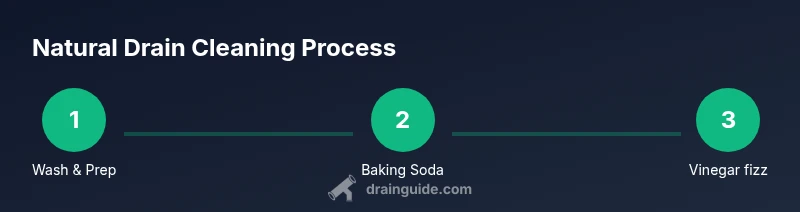
- 1
Clear the area and prep
Remove standing water if present by scooping into a bucket. Clear the sink of any items that might obstruct access. Put a towel under the sink and wear gloves to protect your hands.
Tip: Keep a spare towel handy for spills. - 2
Pour boiling water in stages
Slowly pour hot, not boiling, water into the drain in two to three increments. This helps loosen residue without shocking the pipes.
Tip: Avoid pouring boiling water into very old PVC pipes in cold weather. - 3
Add baking soda
Dump 1/2 to 1 cup baking soda into the drain. Let it sit for a few minutes to begin acting on residues.
Tip: Dry baking soda can clump; ensure it enters the drain fully. - 4
Add vinegar and cover
Pour 1 cup white vinegar into the drain and immediately cover with a drain plug or a wet cloth. The fizz helps lift debris away from the pipe walls; wait 10-15 minutes.
Tip: Keep the drain covered to trap the reaction inside the pipes. - 5
Rinse and test
Flush with plenty of hot water to rinse loose material down the line. Run the tap and observe drainage; if flow improves, you’re done; if not, move to mechanical methods.
Tip: If water backs up, stop and switch to a plunger or snake.
Got Questions?
Can baking soda and vinegar effectively clear a clog?
Baking soda and vinegar can help loosen minor clogs caused by soap scum, hair, or grease. The fizz aids in dislodging material near the pipe walls, but for stubborn blockages mechanical methods are often required.
Baking soda and vinegar can help with light clogs, but stubborn blockages often need a plunger or auger.
Will boiling water damage PVC pipes?
Boiling water is generally safe for newer PVC pipes, but very old or brittle pipes can crack. If in doubt, pour in stages and monitor for any signs of stress.
Boiling water is usually safe for newer PVC, but older pipes may crack. Use caution.
Are enzymatic cleaners better for septic systems?
Enzymatic cleaners digest organic matter and are typically gentler on septic systems than harsh chemical cleaners. They help maintain flow without harming beneficial bacteria.
Enzymatic cleaners are often safer for septic systems and help maintain flow.
How long should I wait after adding baking soda and vinegar?
Allow 10-15 minutes for the fizz to work; longer times won’t always improve results, but you can extend up to 30 minutes for stubborn residues.
Give it 10-15 minutes for the fizz, or up to 30 minutes if the clog is stubborn.
Can natural methods prevent future clogs?
Yes. Regular maintenance, strainers, and periodic flushes with hot water and a light baking soda cycle can reduce buildup.
Regular small maintenance helps prevent new clogs.
What if the drain still won't clear?
If a natural approach fails after two attempts, consider a mechanical method or call a plumber to inspect for deeper issues.
If it remains clogged after trying natural methods, call a pro for deeper inspection.
Watch Video
The Essentials
- Start natural cleaning with hot water and baking soda.
- Add vinegar only after baking soda for best fizz.
- Mechanical tools help for stubborn clogs.
- Avoid chemical cleaners, especially with septic systems.
- Maintain monthly routine to reduce future clogs.