Mastering the Condensate Drain for Furnace: A Practical DIY Guide
Learn to inspect, clean, and maintain the condensate drain for your furnace. Prevent leaks, protect your home, and know when to call a pro with Drain Guide.


Want to prevent furnace water damage? This guide shows you how to inspect, diagnose, and clear a condensate drain for a furnace, plus a maintenance routine to stop clogs from forming. You’ll learn safe DIY steps, common warning signs, and when to call a professional. By the end, you’ll know how to keep your condensate system flowing and minimize leaks.
What is a condensate drain for furnace and why it matters
The condensate drain for furnace is a small but essential part of any modern combustion appliance. It carries away the water formed when the flue gases cool and water vapor condenses inside the furnace or its heat exchanger. If this drain becomes clogged or blocked, water can back up into the drain pan or leak into the surrounding area. For homeowners, a blocked condensate line can trigger a furnace lockout, trigger an overflow sensor, or cause moisture damage to ceilings and basements. Drain Guide emphasizes that regular attention to this system helps prevent costly failures and mold growth. The drain line also connects to building-wide drainage, so keeping it clear protects both your heating system and your home. If you’re in a humid climate or if you have an older furnace, there might be more frequent buildup, so a routine inspection becomes even more important. Drain maintenance is not glamorous, but it is one of the simplest and most effective ways to extend the life of your furnace and maintain indoor air quality.
How condensate forms and where it goes
Condensation occurs when warm, humid air meets cooler surfaces inside the furnace or the exhaust vent. In high-efficiency furnaces, this condensation is collected in a drain pan and whisked away through a condensate drain line to a floor drain, sump, or municipal drain. Older non-high-efficiency units still create some water, though in smaller amounts. The drain system must carry this water away reliably; if it stops, the water can overflow, causing moisture damage and growth of microbes. The path from the furnace to the drain is relatively simple: pan, trap, tubing, and the final exit. A misaligned trap or a kinked hose can reduce flow and lead to backups. When evaluating your system, pay attention to the trap’s slope, the cleanliness of the line, and any signs of standing water near the furnace cabinet. Drain Guide notes that a clear line is a sign of good maintenance and reduces nuisance leaks.
Key components of the condensate drainage system
A typical condensate drainage system includes a shallow drain pan under the furnace, a condensate trap that prevents sewer gases from entering the living space, a condensate line (often plastic or copper) that carries the water away, and sometimes a condensate pump for gravity-defying setups. Many setups also include a float switch connected to the furnace control board, which can shut the unit down if the line backs up. Keeping connections tight and seals intact prevents leaks. Drain Guide advises homeowners to check that every connection is snug and that the line is free from cracks or kinks. Regular inspection of the pump (if fitted) ensures it will activate when needed and avoid steam or water backups.
Common problems and what they indicate
Clogs are the most common issue: soap scum, dirt, or mineral buildup constricts flow. A frozen line can occur in cold spaces, halting drainage entirely. Leaks at joints or around the trap suggest worn seals or damaged piping. If you notice damp spots near the furnace or a persistent musty odor, the drain may be leaking or mold has started to grow in the pan. Overflow sensors may trigger furnace shutdowns as a safety measure. Drain Guide recommends addressing clogs promptly to prevent backflow and potential water damage to electrical components.
DIY maintenance routine to keep condensate drain clear
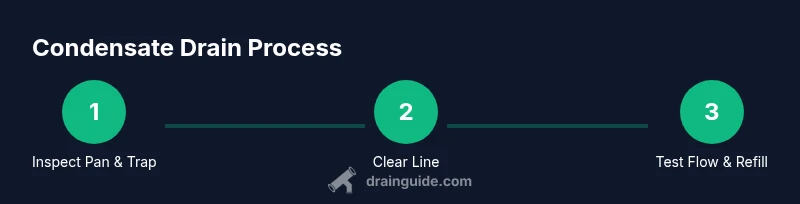
A simple, regular maintenance routine reduces the chance of emergencies. Begin by visually inspecting the entire drain path for cracks, holes, or obvious blockages. Check the trap and line slope; the line should gently slope downward away from the furnace. If you notice standing water in the pan, clear it and inspect for obstructions. Periodically run warm water through the line and consider a vinegar flush to minimize mineral buildup. Maintain a clean area around the furnace to reduce seeds of mold growth. Drain Guide notes that consistent maintenance is cheaper than emergency repairs and preserves indoor air quality.
Safety considerations and when to hire a professional
Working near a furnace involves electrical components and, in some cases, gas lines. Always disconnect power to the furnace at the service panel before starting any work. Wear gloves and eye protection to prevent contact with dirty water or cleaning agents. If you smell gas, or if you see fuel or carbon monoxide indicators, leave the area and call a professional immediately. If the line is severely corroded, the trap is cracked, or the pump fails during a test run, it’s safer to hire a licensed HVAC technician. Drain Guide recommends professional service for complex replacements or if you’re unsure about the proper trap configuration.
When to install a condensate pump or upgrade drainage
Some installations rely on gravity drainage, while others need a condensate pump to move water to a higher drain. If your furnace is installed in a basement or crawlspace with limited gravity slope, a condensate pump is a practical upgrade. Upgrading drainage may also involve installing a longer run, a different trap, or anti-siphon devices to prevent backflow. Drain Guide suggests evaluating the space, the slope, and the ease of maintenance when deciding on a pump. Installing the right device reduces the risk of overflow and improves reliability of the system.
Maintenance checklist and seasonal reminders
Create a seasonal schedule for condensate maintenance. In spring and fall, inspect lines and traps for cracks or mineral buildup. In winter, check that insulation around exposed lines remains intact to prevent freezing. After any service, run the furnace briefly to confirm proper drainage and listen for unusual noises that may indicate a blockage. Keeping a small log of inspections helps catch recurring issues early and ensures peace of mind during peak heating season. Drain Guide emphasizes that proactive care pays off in fewer service calls and better efficiency.
Tools & Materials
- Safety gear (gloves and eye protection)(Protect skin and eyes from dirty water and cleaners)
- Flashlight(Inspect dark corners and the line entry points)
- Bucket(Catch water during flushes or line clearing)
- Wet/dry vacuum(Suck out line debris or condensate)
- Screwdrivers (Phillips & flat-head)(Access covers and clean-out ports)
- Pliers(Release clamps or secure tubing as needed)
- Flexible condensate drain line (3/4 inch ID)(Use clean, clear tubing)
- White vinegar(Safe flush for mineral buildup)
- Water, warm(Rinse line after cleaning)
- Shop towels or rags(Cleanup and wipe surfaces)
- Replacement condensate trap or sealant (optional)(On damaged components)
Steps
Estimated time: 30-60 minutes
- 1
Power off furnace and protect the area
Switch off power at the service panel and, if applicable, close the gas valve. This prevents accidental startup and reduces risk of electrical shock while you inspect.
Tip: Use a non-contact tester to verify power is off before touching any wires. - 2
Locate and inspect condensate drain path
Find the condensate pan, trap, and drain line. Look for cracks, corrosion, or obvious blockages. Take a quick photo for reference before disassembly.
Tip: Note the slope direction of the line to ensure proper drainage when reassembling. - 3
Check the trap and clean it
If the trap is dirty or clogged, remove and rinse it. Do not bend or break the trap. A damaged trap can allow sewer gases to enter the living space.
Tip: Never bypass the trap to 'skip' cleaning; the trap is essential for safety. - 4
Clear the line with vacuum or flush
Attach the vacuum to the drain opening and suction out debris. Follow with a flush of warm water mixed with a splash of vinegar to break mineral buildup.
Tip: Alternate suction and flushing to maximize clearing. - 5
Inspect condensate pump and float switch
If your system uses a pump, check that the impeller is free and the float switch moves freely. Replace if sticky or unresponsive.
Tip: Test the pump by pouring water into the pan; listen for the switch activating the pump. - 6
Reconnect components and test flow
Reassemble the line and test run the furnace. Check for leaks and confirm water drains away from the unit.
Tip: Place towels under the work area to catch any residual water during the test. - 7
Document and establish maintenance schedule
Record the date and what you did. Schedule a periodic check (e.g., quarterly) to keep the line clear and prevent backups.
Tip: Keep a small notebook or digital reminder for reminders.
Got Questions?
What causes a condensate drain to become clogged?
Common causes include mineral buildup from hard water, soap scum from cleaning, and debris in the line. Regular flushing helps prevent these blockages and maintains proper flow.
Clogs are usually caused by mineral buildup, soap scum, or debris. Regular flushing helps prevent blockages and keeps the drain flowing.
Can a clogged condensate drain cause the furnace to shut down?
Yes. Many systems incorporate a safety switch that shuts the furnace off if the condensate line backs up. Clearing the line and testing the switch restores normal operation.
Yep. A backup can trigger a safety shutoff. Clear the line and test the switch to restore operation.
Is a condensate pump necessary for all furnaces?
Not all systems require a condensate pump. High-rise installations or setups with insufficient gravity drainage may benefit from a pump to move water to a proper drain.
A pump isn't always needed, but it helps where gravity drainage isn’t possible.
How often should I flush the condensate drain?
A light flush every few months and a more thorough cleaning twice a year is a good practice for most homes, especially in hard-water areas.
Most homes benefit from a light flush every few months and a thorough clean twice a year.
Can I reuse an old condensate line?
Only if it’s in good condition without cracks or mineral buildup. Replace any damaged line to prevent leaks and ensure proper drainage.
Only reuse if it’s in great shape; replace damaged lines to avoid leaks.
What cleaners are safe for condensate lines?
Use mild cleaners like vinegar and warm water. Avoid harsh chemicals that could damage seals or corrode metal parts.
Vinegar and water are safe; avoid harsh chemicals near metal and seals.
Watch Video
The Essentials
- Inspect drains regularly and clear clogs promptly
- Test the condensate pump and float switch monthly
- Use safe cleaners; avoid harsh chemicals near metal
- Schedule annual professional checkups for gas furnaces
- Maintain condensate line to prevent mold growth