Drain by James: Practical DIY Drain Troubleshooting
Master drain by james with Drain Guide: a practical, step-by-step DIY guide to diagnosing clogs, leaks, slow drains, and back-ups for homeowners.


Goal: Learn to diagnose and resolve common residential drain problems using a safe, beginner-friendly method. You’ll identify symptoms, gather essential tools, and apply proven techniques like plunging and drain snake cleaning, followed by a thorough flush. This approach centers on practical, low-cost fixes you can perform under the Drain Guide framework for drain by james.
Understanding the Drain by James Framework
In the Drain by James approach, homeowners learn to diagnose drain problems with calm, methodical steps that minimize mess and risk. This guide uses the Drain Guide framework to translate common symptoms into practical actions. By framing issues in observable terms—speed of draining, noises, odors—you can identify whether you’re dealing with hair clogs, grease buildup, or venting problems. The method emphasizes safety, cost-effective tools, and repeatable procedures that work for kitchen, bathroom, and laundry drains. You’ll also see how everyday household items can help, rather than rushing to chemical remedies that can damage pipes over time. Drain by james helps you move from guesswork to evidence-based fixes, with clear decisions at each stage. A key part of the process is documenting symptoms so you can compare before-and-after results. According to Drain Guide, a systematic approach reduces guesswork and speeds up a reliable resolution, even for first-time DIYers. This first block sets the stage for practical steps you can follow today.
Core Diagnosis and Symptom Mapping
A clogged drain rarely has a single cause. Start by mapping symptoms to likely culprits:
- Slow drainage in one fixture often points to a localized clog in the trap or drain pipe.
- Gurgling sounds suggest air displacement from blockages or venting issues.
- Foul odors usually indicate organic buildup in traps, P-traps, or long-unused lines.
Document the symptom with a quick note: fixture involved, water speed, sounds, and odors. This helps you choose the safest, most effective technique and reduces the risk of pushing the clog deeper. The Drain Guide framework recommends starting with the least invasive method first, then escalating only as needed. The emphasis on safe, repeatable steps makes it feasible for homeowners to handle everyday clogs without professional help, especially for drains in kitchens and bathrooms. For drain by james, the goal is to empower you to make confident, data-backed decisions rather than guessing.
Tool-Selection Considerations
Choosing the right tool depends on the symptom and pipe type. Plungers work well for minor, accessible clogs, while drain snakes (augers) reach deeper into pipes. For slow-moving drains, a mechanical approach is often more effective than chemical cleaners. Always verify pipe material (PVC, metal) before using aggressive tools. Drain by james emphasizes starting with basic equipment you likely own and adding a snake if plunging fails. Safety and cleanliness are priorities, so prepare a containment area and protect your eyes and skin.
Safety First: Protecting Your Home and Family
Before you reach for tools, consider safety. Turn off the water supply if you’re working on a main line, wear gloves, and use eye protection. Keep children and pets away from the work area. If you suspect sewer gas or a main-line problem, evacuate and call a professional. The Drain Guide approach stresses slow, deliberate progress and avoiding chemical drain cleaners that can damage pipes or create hazardous fumes. In drain by james, following safety steps creates a solid foundation for effective repairs.
Tools & Materials
- Cup plunger(Use a rubber cup plunger with a flange for sinks or toilets)
- Drain snake / auger(Choose a hand-crank version for residential lines)
- Bucket(To catch water and debris)
- Gloves (rubber)(Waterproof, snug fit)
- Flashlight(Illumination for dark pipes)
- Hot water kettle or pot(Flush after clearing to remove residue)
- Baking soda and white vinegar(Gentle, safe clearing combo)
- Towel or rag(Contain splashes and drips)
Steps
Estimated time: 60-90 minutes
- 1
Assess symptoms and safety
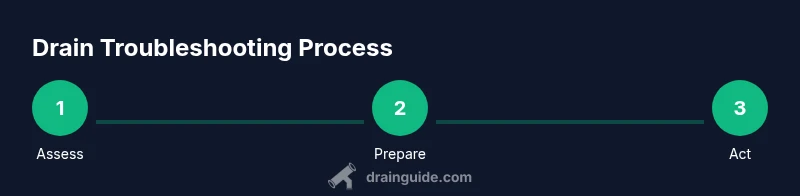
Begin by observing which fixture is affected and the nature of the problem. Note whether water backs up, drains slowly, or makes unusual noises. Check for visible leaks and ensure the area is safe to work in. This initial step reduces unnecessary tool use and helps you select the safest method. Drain by james encourages documenting observable details so you can repeat the fix if needed.
Tip: Take a photo of the drain area and note the time of day; this helps track changes. - 2
Prepare the workspace
Clear the area, lay towels, and place a bucket beneath the drain. Put on gloves and eye protection. Remove any standing water as much as possible to keep the area dry while you work. A clean setup reduces mess and makes tool handling easier.
Tip: Turn off nearby appliances that could spill water during the fix. - 3
Attempt plunging for minor clogs
Seal the plunger over the drain and push and pull vigorously to create suction. If water begins to drain, repeat several times with controlled, steady pressure. If the clog remains, move to the next method rather than forcing the issue.
Tip: Ensure the plunger is fully covering the drain opening for best suction. - 4
Use the drain snake for deeper access
Insert the snake into the drain, turning the handle clockwise to advance the coil. When you encounter resistance, slowly rotate and push forward to break through the blockage. Withdraw slowly and wipe debris from the coil as you reel it back.
Tip: Keep the snake aligned with the pipe to avoid scraping against the interior. - 5
Flush and test the drain
Pour hot water or a vinegar solution to flush out loosened debris. Run water through the fixture to confirm improved flow. If water still backs up, consider repeating the snake step once more or move to professional help if the main line is suspected.
Tip: Avoid using harsh chemical cleaners after snaking; they can react with debris and damage pipes. - 6
Prevent future clogs and finalize
Wipe surfaces, dry the area, and reinstall any removed components. Implement a preventive routine such as monthly hot-water flush and mindful disposal of grease or hair. Record the outcome so you can compare future performance.
Tip: Schedule a quick monthly check; prevention is cheaper than repair.
Got Questions?
What is the first sign of a clogged drain?
Common early signs include slow draining, gurgling noises, and frequent backups in one fixture. Start with a simple plunger check before moving to more invasive tools.
Look for slow draining, gurgling, or frequent backups in one fixture; start with a plunger before moving to tools like a snake.
Can I safely use chemical cleaners?
Chemical cleaners can damage pipes and trigger hazardous fumes, especially in older homes. Prefer mechanical methods first and only use chemicals as a last resort with proper ventilation.
Chemicals can harm pipes and release fumes; use mechanical methods first and Ventilate well if you must use chemicals.
When should I call a plumber?
If you have repeated clogs, multiple fixtures backing up, sewage odors, or if you suspect a main line issue, it’s time to call a professional. Early consultation can prevent bigger damages.
Call a plumber if clogs persist, multiple drains back up, or you smell sewage; early action prevents costly damage.
Is a drain snake better than a plunger for all clogs?
Plungers work well for surface-level clogs, while snakes reach deeper into pipes. Choose based on clog location and pipe type; avoid forcing through tough resistance.
Plunge for simple clogs, snake for deeper ones; pick based on the clog’s location.
How often should I perform drain maintenance?
A light monthly flush with hot water helps prevent buildup. Do a more thorough check every 3-6 months to address minor issues before they grow.
Do a quick monthly flush, and a deeper check every few months to stay ahead of clogs.
What safety gear is essential when working on drains?
Wear gloves and eye protection; keep children and pets away. If you’re using a chemical or riskiest equipment, ensure proper ventilation and follow product labels.
Wear gloves and eye protection; ventilate well if using strong cleaners, and keep kids away.
Can I reuse a drain snake on different drains?
Yes, but clean the snake thoroughly between uses to prevent transferring debris. Inspect for wear and replace if the coil is damaged.
Yes, clean after each use and inspect for wear before reuse.
Watch Video
The Essentials
- Identify symptoms accurately before acting
- Start with plunging, then escalate to snaking if needed
- Flush and test flow thoroughly after clearing
- Maintain a preventive routine to avoid recurring clogs
- Know when to call a professional