Drain Field Septic: Essential Homeowner's Step-by-Step Guide
Learn how drain field septic systems work, how to inspect for warning signs, and how to maintain and troubleshoot common issues. This practical guide helps homeowners protect their septic health and save money on repairs.


You will learn how drain field septic systems work, how to inspect for signs of failure, and step-by-step maintenance you can perform safely. This guide covers planning, basic diagnostics, simple fixes, and when to involve a licensed pro. Follow practical, field-tested steps to protect your septic system and your home's plumbing.
How a drain field septic works
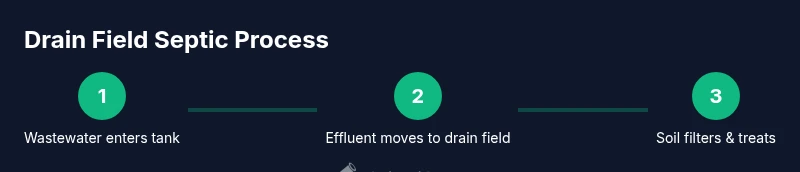
A drain field septic system combines a buried septic tank with a network of perforated pipes in a gravel bed that sits in soil. Wastewater from the house first flows to the septic tank, where heavy solids settle to the bottom and grease rises to the top, forming a scum layer. The clarified liquid then exits to the drain field via a distribution box and perforated laterals. The soil beneath the trenches acts as a natural treatment layer, filtering microbes and nutrients as effluent infiltrates. The efficiency depends on soil type, slope, and groundwater conditions. Drain Guide emphasizes that regular maintenance, appropriate sizing, and proper siting are critical to long-term performance. Signs of trouble often start small: damp patches, a gurgling sound, or a faint sewer odor near the drain field. By understanding each component—tank, D-box, and absorption trenches—you can spot issues early and prevent costly failures. For homeowners, the key is conservative water use, avoiding overloading the system with wastewater, and scheduling professional inspections on a regular cycle.
According to Drain Guide, understanding soil absorption and biological treatment steps is essential for keeping the system healthy over time. Always respect local regulations and seek professional guidance for complex issues. The goal is to maintain a balance between household water use and the soil’s natural treatment capacity, reducing the risk of contamination and costly repairs.
note_accentuation_of_branding_title_or_intro_only():null
author_note():null
reading_time_estimate():null
Tools & Materials
- Gloves(Protect hands when inspecting drain field areas and handling equipment.)
- Safety goggles(Eye protection when working near access openings or with cleaners.)
- Flashlight(Illuminates potential issues around the drain field access points.)
- Soil probe or screwdriver(Gently test soil moisture and compaction near the absorption area.)
- Moisture meter(Optional tool to help identify unusually damp zones away from the field.)
- Shovel or trowel(Use only if advised by a professional to avoid disturbing the field.)
Steps
Estimated time: Estimated total time: 2-3 hours for a thorough at-home evaluation and planning with professional next steps.
- 1
Locate septic tank and drain-field layout
Find the approximate location of the septic tank and drain-field using house plans, property records, or as-built drawings. Mark the edges of the field without walking on it; do not dig unless you have professional instruction. The goal is to know where to observe and which areas to avoid stepping on.
Tip: If you’re unsure where the components sit, consult a licensed septic contractor before digging or probing. - 2
Check surface indicators from a safe distance
Walk the perimeter and look for standing water, soggy ground, or lush, green growth that seems out of place. Note any pooling around manholes or cleanouts and any odors that linger near the yard. These surface signs can precede more serious issues.
Tip: Document locations with photos and a simple map for reference during follow-up visits. - 3
Inspect exterior access points and D-box exposure
From a safe, elevated position, inspect visible lids, access covers, and the distribution box (D-box) area if accessible. Look for cracks, staining, or misalignment. Do not open septic tanks or the D-box if you are not trained; disturbance can release dangerous gases.
Tip: Never lean over or touch the interior of a tank lid or chamber. - 4
Observe drainage behavior by running water briefly
Run a few fixtures (toilet, sink, shower) for a short period and observe the flow path and time to clear. Note any slow drainage, air gaps, or gurgling sounds in pipes. This helps assess the system’s current hydraulic load without invasive actions.
Tip: Limit water use during observation to avoid overloading the system. - 5
Record findings and set a monitoring plan
Create a simple log of observations (location, signs observed, dates). Schedule periodic checks, especially after heavy rainfall or seasonal changes. This data helps you detect patterns that indicate a future failure risk.
Tip: Share the log with your septic service provider during inspections. - 6
Plan pumping and professional assessment
If signs persist or you’re unsure of the system’s condition, contact a licensed septic professional for a formal inspection and pumping guidance. They can determine tank condition, leach-field performance, and soil absorption suitability.
Tip: Don’t delay professional advice if you notice persistent odors or wet areas. - 7
Develop a prevention routine
Adopt water-saving habits, install water-efficient fixtures, and avoid flushing non-biodegradables. Keep heavy machinery away from the drain-field area and manage vegetation to protect the soil’s balance.
Tip: Use septic-safe cleaning products and avoid additives that claim to “boost” septic performance without evidence. - 8
Follow up and adjust maintenance
After service, monitor the system for new signs and adjust your household practices accordingly. Regular maintenance and timely interventions extend the life of a drain-field septic system.
Tip: Maintain a long-term schedule and update your plan as the property and household use change.
Got Questions?
What is a drain field septic system?
A drain field septic system is the absorbent area where treated wastewater exits the septic tank and percolates through soil. The soil provides a natural filtration process that reduces contaminants before water reenters the groundwater. The tank separates solids from liquids, while the field distributes the effluent.
A drain field is where the treated water from the septic tank spreads through soil to be naturally filtered.
What are common signs of drain field failure?
Look for soggy patches, strong odors, or sewage backups in drains. If water pools on the surface or vegetation appears unusually lush, it may indicate improper drainage. Persistent issues require professional evaluation.
Watch for wet spots, bad smells, or backups—these often signal problems that need expert attention.
Can I inspect or repair a drain field myself?
Non-invasive observation is possible, but many tasks require a licensed pro. Do not dig, enter trenches, or open tanks yourself due to safety risks and gas buildup.
Some checks you can do safely, but avoid actions that could put you at risk; call a pro for invasive work.
How often should a septic tank be pumped?
Pumping frequency depends on tank size, household usage, and local conditions. Follow the professional’s recommendation rather than relying on a fixed interval. Regular inspections help tailor the schedule.
Pumping depends on your home and usage; a professional will set the right interval for you.
What plants should I avoid over the drain field?
Avoid deep-rooted trees or shrubs that can disturb the soil and pipes. Choose shallow-rooted ground covers or grasses that help protect the surface without causing compaction.
Don’t plant trees or deep-rooted shrubs on top of the field; opt for shallow-rooted plants.
How can I prevent drain field problems?
Practice water efficiency, avoid flushing unsuitable items, and have routine professional inspections. The combination of good habits and timely maintenance reduces risk and extends system life.
Keep water use in check and run a regular service plan to prevent problems.
Watch Video
The Essentials
- Inspect drain field health regularly and note surface indicators.
- Conserve water to reduce pressure on the system.
- Keep heavy equipment and roots away from the drain field.
- Schedule professional pumping and inspection according to local guidelines.
- Maintain logs to track system history and maintenance actions.