Drain Flies: Vinegar and Baking Soda DIY Guide
Learn how to tackle drain flies using vinegar and baking soda with a step-by-step approach, safety tips, and prevention strategies. A practical DIY guide for homeowners and DIY enthusiasts.


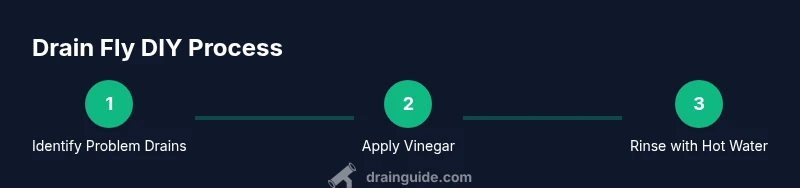
Steps to reduce drain flies with vinegar and baking soda: identify affected drains and seal obvious entry points. Pour 1 cup white vinegar down the drain, wait 5 minutes, then add 1/2 cup baking soda. Immediately flush with hot water for 2–3 minutes. Repeat weekly and combine with trap scrubbing.
What drain flies are and why this method helps
Drain flies, also known as sewer gnats, are tiny moth-like insects that breed in the slimy biofilm that can accumulate inside drains. The life cycle is rapid, with eggs hatching into larvae quickly and maturing into adults that hover near damp, organic-rich plumbing. A practical, beginner-friendly approach is to combine mechanical cleaning with a household remedy like vinegar and baking soda. This duo helps dislodge the biofilm, disrupt breeding zones, and reduce available food sources for larvae. According to Drain Guide, these pantry staples offer a low-cost, low-toxicity starting point for DIY maintenance that fits neatly into a broader sanitation plan. The goal is not to “poison” the pests, but to minimize breeding sites and make your drains less inviting to the next generation of drain flies.
What drain flies are and why this method helps
Drain flies, also known as sewer gnats, are tiny moth-like insects that breed in the slimy biofilm that can accumulate inside drains. The life cycle is rapid, with eggs hatching into larvae quickly and maturing into adults that hover near damp, organic-rich plumbing. A practical, beginner-friendly approach is to combine mechanical cleaning with a household remedy like vinegar and baking soda. This duo helps dislodge the biofilm, disrupt breeding zones, and reduce available food sources for larvae. According to Drain Guide, these pantry staples offer a low-cost, low-toxicity starting point for DIY maintenance that fits neatly into a broader sanitation plan. The goal is not to “poison” the pests, but to minimize breeding sites and make your drains less inviting to the next generation of drain flies.
Quick-start: when and where to start
If you notice tiny flying insects around sinks, showers, or floor drains, it’s a good cue to start a routine check. Begin with visibly affected drains first, but maintain a broad view of nearby plumbing—these pests can travel between connected drainage lines. The vinegar-baking-soda method works best when paired with thorough periodic cleaning of traps, screens, and accessible pipe sections. Consistency matters more than a single grand cleanup; a predictable routine reduces breeding opportunities over time.
Understanding the science behind the remedy
Vinegar is an acidic cleaner that can help loosen mineral buildup and organic residue inside drains, while baking soda acts as a mild abrasive and reacts with acids to fizz and dislodge deposits. The mechanical action of flushing with hot water further aids in sweeping away loosened material. While these agents won’t magically eradicate every pest in a single session, they create a cleaner environment that discourages egg-laying and larval development. For many homes, this approach reduces visible activity when used as part of an ongoing maintenance plan.
Practical plan for kitchens and bathrooms
Focus first on the drains that accumulate food debris or bathroom waste, such as kitchen sinks, bathroom sinks, and shower/tloor drains. Start with the most problematic drain and expand to nearby lines if signs persist. Use a measured sequence: first neutralize with vinegar, then follow with baking soda, and finally flush with hot water. Pair this with routine scrubbing of drain rims, removing hair from traps, and keeping screens in place to minimize new material entering the drains.
Common mistakes that undermine effectiveness
Avoid dumping large quantities of vinegar and baking soda at once; small, controlled quantities allow for better contact with residue. Do not mix vinegar with bleach or other cleaners, which can release harmful gases. Skipping the initial cleaning of the drain trap means fresh debris can quickly re-establish the biofilm. Lastly, relying on this method alone without addressing leaks, standing water, or clogged lines will limit results.
Real-world scenarios: when DIY helps and when to escalate
In many homes, a few weeks of weekly vinegar-baking-soda treatments coupled with mechanical cleaning reduces observable drain fly activity. However, if you still see flies after 2–3 weeks, or if there are signs of a larger plumbing issue like persistent gurgling, odors, or backups, it’s time to consult a licensed plumber or a pest management professional. Drain Guide recommends using DIY methods as a first line of defense while monitoring the situation closely.
Safety and long-term prevention
Always wear gloves when handling cleaners, and never mix cleaners with bleach. Ventilate the area, especially in small enclosed spaces like under sinks. For long-term prevention, establish a weekly cleaning ritual, seal entry points where feasible, and ensure traps and screens are in good condition. The goal is a consistent, low-maintenance routine that keeps drains clean and unattractive to breeding pests.
Myth-busting: does baking soda harm pipes?
When used in moderate amounts with proper flushing, baking soda is generally safe for most residential plumbing. Excessive quantities or persistent, harsh chemical cleaners can cause issues, so it’s best to combine this method with routine mechanical cleaning and monitor for any unusual signs inside pipes.
Tools & Materials
- white vinegar(Use plain white vinegar; avoid flavored varieties.)
- baking soda(Standard baking soda; avoid baking powder.)
- hot water(Boiled or near-boiling water for flushing)
- gloves(Protect skin during cleaning)
- scrub brush or old toothbrush(For rims and traps)
- measuring cups/spoons(For accurate quantities)
- bucket or tray(Contain spills during mixing)
- drain screen/strainer(Keep debris out of the drain)
Steps
Estimated time: 45-60 minutes
- 1
Identify
Examine sinks, floor drains, and shower drains for signs of drain flies—tiny gnats around damp areas. Note which drains show the most activity and potential breeding sites. Documenting problem points helps you prioritize and track progress.
Tip: Take a quick photo of problem drains to compare before/after results. - 2
Gather
Assemble your vinegar, baking soda, hot water, gloves, and screens. Ensure drains are accessible and traps are intact before beginning the routine maintenance.
Tip: Pre-measure quantities to speed up the process during a cleaning session. - 3
Pour vinegar
Slowly pour 1 cup of white vinegar down the identified drain and let it sit for about 5 minutes. The vinegar helps loosen organic deposits that serve as food for larvae.
Tip: Avoid using cold water after pouring to maintain contact time. - 4
Add baking soda and flush
Sprinkle 1/2 cup baking soda into the drain and immediately flush with hot water for 2–3 minutes. The fizz helps dislodge deposits and the flush removes loosened material.
Tip: Keep a kettle or pot of hot water ready to minimize waiting time. - 5
Scrub and trap maintenance
Scrub the drain rim, remove hair and gunk from traps, and reinstall screens. A clean surface reduces future buildup and makes the treatment more effective.
Tip: Use an old toothbrush to reach stubborn buildup around the rim. - 6
Monitor and repeat
Repeat the vinegar-baking soda sequence weekly for 3–4 weeks, focusing on the same drains. If signs persist, expand to nearby drains and consider deeper cleaning.
Tip: Keep a cleaning log to monitor trends and decide when to escalate.
Got Questions?
What exactly are drain flies and why are they in my drains?
Drain flies are small, moth-like pests that breed in damp, organic films inside drains. They appear when standing water and residue provide food for larvae. Regular cleaning and reducing biofilm help deter their presence.
Drain flies are tiny insects that breed in damp, slimy film inside drains. Regular cleaning reduces their food source and helps keep them away.
Can vinegar and baking soda eliminate drain flies?
These ingredients can reduce breeding sites and surface activity when used consistently with good drain hygiene. They are not a guaranteed cure for all infestations, especially if there are multiple plumbing issues.
Vinegar and baking soda can cut down breeding sites, but they may not solve every infestation, especially if there are deeper plumbing problems.
Is this method safe for pipes and septic systems?
For most standard household drains, using moderate amounts of vinegar and baking soda is considered safe. Avoid mixing with bleach or other harsh cleaners. If you have a septic system, use this method sparingly and monitor for changes.
It's generally safe for pipes and septic systems when used in moderation and not mixed with bleach.
How long does it take to see results?
Results vary with the extent of buildup and the number of affected drains. A consistent weekly routine for 3–4 weeks typically reduces activity, but some homes may require more time or additional plumbing checks.
Most homes notice reduced activity after a few weeks of regular cleaning, but it can vary.
What should I do if the flies persist after trying DIY methods?
If DIY steps don’t reduce activity after several weeks, consider consulting a licensed plumber or pest professional. Persistent issues may indicate leaks, clogged lines, or a larger biofilm problem.
If they persist, seek professional help to check for underlying plumbing issues.
Watch Video
The Essentials
- Identify problem drains first; focus where activity is highest.
- Vinegar and baking soda help loosen organic buildup when used with hot water flushes.
- Combine DIY steps with trap and screen maintenance for best results.
- If flies persist after several weeks, seek professional pest or plumbing assistance.