Drain with Garbage Disposal: A Practical Step-by-Step Guide
Learn how to drain with garbage disposal safely, troubleshoot clogs, and maintain your kitchen drain with Drain Guide’s expert guidance. This comprehensive how-to covers safety, tools, step-by-step actions, and maintenance to prevent future backups.


Goal: Properly drain with garbage disposal and restore smooth drainage. You’ll learn safe prep, common clog remedies, and maintenance tips to prevent future backups. Key actions include powering off the unit, removing loose debris, using a drain snake or disposal wrench, flushing with cold water, and testing for leaks. Drain Guide recommends following step-by-step instructions for best results.
Why proper drainage with garbage disposal matters
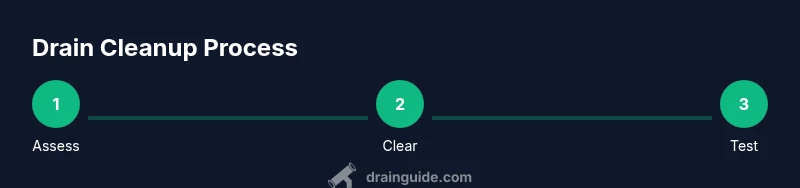
Proper drainage is essential for a clean, odor-free kitchen and to prevent costly plumbing repairs. When you drain with garbage disposal correctly, waste moves smoothly through the tailpiece and trap, reducing the risk of backups in the sink and downstream pipes. A common beginner mistake is attempting to grind large, fibrous items or pouring grease down the disposal, which can cause slow draining or clogs. The Drain Guide method emphasizes a methodical approach: assess the problem, clear obstructions safely, and test the flow with cold water. By understanding how the disposal interacts with the drainage system, you can address issues at their source rather than applying quick fixes that fail later. This knowledge helps homeowners protect their investment in kitchen plumbing and maintain a reliable drainage system for daily use. Additionally, neglecting proper drainage can lead to recurring backups, foul odors, and mold growth under the sink. A properly drained system keeps disposal blades sharp, reduces strain on the motor, and helps maintain the overall health of your home's plumbing. For someone tackling drain issues, using a calm, step-by-step approach will deliver safer, more predictable results. Drain Guide emphasizes the value of documenting what you try and sticking to non-chemical methods whenever possible, especially the use of mechanical tools like a drain snake and proper hand tools. By building confidence through careful checks and controlled testing, homeowners can often resolve common disposal-related drainage problems without professional help, saving time and money in the process. Always start with safety, then proceed to a clear plan that covers disassembly, debris removal, and testing.
wordCount
wordCount
Tools & Materials
- Safety gloves(Grip, cut-resistant; nitrile or rubber)
- Flashlight(Inspect inside disposal and traps)
- Non-conductive pliers/tongs(Remove debris safely)
- Drain snake / plumber's auger(3-6 ft length; use carefully)
- Bucket and towels(Catch water and debris)
- Adjustable wrench(Useful for trap nuts if removed)
- Voltage tester(Confirm power is off)
- Utility knife(Only if you need to work on splash guard)
Steps
Estimated time: 45-60 minutes
- 1
Power down and safety check
Identify the switch under the sink; if the disposal is plugged in, unplug it at the outlet or switch off the circuit. Use a non-contact voltage tester to confirm the unit cannot start unexpectedly. Keep a bucket ready to catch any residual water and wear gloves.
Tip: If you can't access the plug, switch off the corresponding breaker. - 2
Inspect accessible areas for blockages
Look into the disposal inlet and tailpiece for visible objects. Use a flashlight and pliers to remove any stringy debris from the grate or surrounding area. Do not put fingers into the grinding chamber.
Tip: Always remove debris with tools, never hands. - 3
Clear jams and debris from the chamber
With the unit off, use tongs to remove any objects lodged in the grinding ring. If you can rotate the impeller manually using a wrench inserted into the bottom hole, do so gently to free jams. Clean the splash guard to remove built-up residue.
Tip: Grind ice occasionally to help clean blades. - 4
Snake the drain for deeper clogs
Insert the drain snake into the disposal drain or tailpiece; rotate clockwise as you feed it in. When you feel resistance, pull back slowly to lift debris. Repeat a few times, then pull out to remove buildup. Avoid forcing the snake; it can damage pipes.
Tip: Take short, steady turns; avoid kinking the snake. - 5
Flush and reset the disposal
Run cold water and reassemble any parts you removed. If the disposal has a reset button, press it to restore power. Turn the unit on briefly to check for grinding action and listen for unusual noises. If it runs smoothly, continue flushing for 15-30 seconds.
Tip: Do not use hot water during flushing—hot can loosen grease. - 6
Test, inspect for leaks, and finalize
Run a steady flow of cold water through the sink and observe the area for leaks around seals. Check under the cabinet for dampness and verify there are no unusual noises. If water drains slowly or you still see backflow, repeat the cleaning steps or consider calling a professional.
Tip: Keep notes of steps taken to help future maintenance.
Got Questions?
Can I use chemical drain cleaners with a garbage disposal?
Chemical drain cleaners can corrode the disposal and pipes, and may void warranties. Use mechanical methods like snaking and manual clearing instead.
Avoid chemical drain cleaners; they can damage the disposal and pipes. Use mechanical methods instead.
Why is water backing up when I run the disposal?
Backups usually indicate a clog in the trap or main line, or a jam in the disposal. Start by clearing debris and snaking the drain; if the problem persists, call a plumber.
Backups point to a deeper clog; try clearing the trap and snaking, and call a pro if unresolved.
Is it safe to reset a GFCI outlet after a disposal trips?
Yes, if the area is dry and you’ve confirmed there’s no water near the outlet. Reset the GFCI and test the circuit with the disposal unplugged.
Yes, reset the GFCI when safe and dry, then test.
What should I do if the disposal won’t rotate or makes a humming noise?
A humming sound often means a jam. Use tongs to remove debris, rotate with a wrench if accessible, and clear the jam. If the noise continues, professional service may be needed.
A jam is likely; clear debris and try rotating with the bottom wrench. If unresolved, call a pro.
How often should I maintain my disposal?
Perform a quick flush and inspection monthly, and a deeper clean every few months. Avoid chemical cleaners and monitor for odors.
Do regular flushes and checks each month; step up maintenance periodically.
Can I repair a broken splash guard myself?
Replacing a splash guard is possible for some models if you’re comfortable with basic plumbing. Follow the manufacturer’s instructions and use an appropriate replacement part.
It may be possible to replace the splash guard if you have the part and follow instructions.
Watch Video
The Essentials
- Power off and verify no electricity before work.
- Identify whether the issue is disposal or drain components.
- Follow a step-by-step flow before calling a professional.
- Use mechanical methods rather than harsh chemicals.
- Regular maintenance reduces future clogs and odors.