Drainer Guide: Step-by-Step Drain Clearing for Home
Learn how to diagnose, clear, and prevent drainer clogs with practical, DIY-friendly steps. Drain Guide provides safe techniques for kitchen, bathroom, and outdoor drains to restore flow and prevent backups.


This drainer-focused guide helps you diagnose common drainage problems, safely clear clogs, and restore flow in kitchen, bath, or outdoor drains. Gather basic tools, learn when to use plungers or snakes, and follow a clear, step-by-step plan. Drain Guide provides practical tips to prevent future backups and keep your plumbing running smoothly for years.
Why a Drainer Needs Proper Maintenance
A drainer is a key component in your home's drainage system, guiding wastewater from fixtures into the plumbing network. When it isn’t cared for, hair, soap scum, grease, and food particles hitch a ride down pipes, leading to slow draining or backups. According to Drain Guide, routine maintenance reduces the likelihood of clogs, reduces odors, and extends the life of your plumbing. In practice, cleaning strainers, inspecting seals, and flushing traps are simple tasks that preserve flow. A well-maintained drainer also helps reduce stress on joints and lowers the risk of leaks. Signs of wear include gurgling noises, slow draining, and standing water. Establish a basic maintenance routine that fits your home: clean strainers weekly, test drains monthly, and prepare a small toolkit for quick touch-ups.
Tip: Keep a damp rag and a small towel nearby during maintenance to catch spills and wipe down surfaces for a quick, tidy job.
Common Drainer Problems and Diagnoses
Drainers can fail for many reasons, but most issues come from common culprits like hair, grease, and soap scum. Slow draining often signals a partial clog, while bubbly water or rising odors point to blockages or venting problems. If water backs up in more than one fixture, the issue may be a broader blockage in the main line rather than a single drain. Drain Guide’s experience shows that most home drainer problems can be diagnosed by noting where the water slows and what’s going down the drain most consistently—hair in bathroom sinks, grease in kitchen sinks, or food scraps in outdoor drains. Conduct a quick visual inspection for obvious debris, then plan a safe clearing strategy.
Common diagnostic signs:
- Slow drainage or standing water
- Gurgling sounds from the drain
- Frequent clogs in one location but not others
- Bad odors around the drain
If the symptoms persist after a DIY clearing attempt, consider calling a licensed plumber to avoid further damage.
Tools, Gear, and Safety for Draining Work
Before you dive in, assemble essential tools and gear. Having the right equipment reduces the risk of damage and speeds up the clearing process. Safety comes first: wear gloves, eye protection, and a mask if you’re dealing with dirty water. Keep a bucket ready to catch spills and towels to contain splashes. A clean workspace helps you spot clogs and prevents debris from entering other areas of your home.
Tools you’ll typically need:
- Drain plunger (essential)
- Hand auger/drain snake (essential)
- Wet-dry vacuum (optional) for stubborn debris
- Bucket (essential) to catch water
- Rubber gloves, safety glasses (essential)
- Flashlight (essential) to inspect pipes and traps
- Adjustable wrench (optional) for disassembling traps
- Dish soap (optional) to lubricate parts during reassembly
Safety reminders:
- Never use a chemical drain opener in combination with mechanical clearing methods.
- If you suspect a gas or sewer gas issue, leave the area and call a professional.
- Avoid forcing tools into fittings; apply steady, gentle pressure to prevent leaks or breaks.
Step-by-Step Approach to Clearing a Drainer
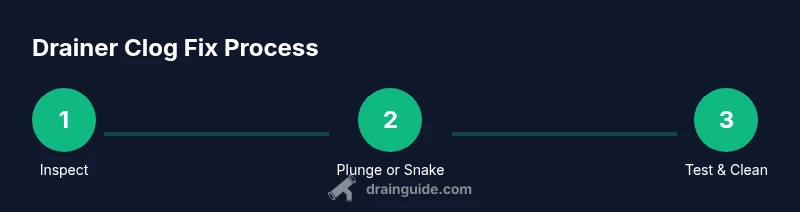
A structured plan helps you tackle clogs without guesswork. Start with the simplest method and advance to more involved techniques if needed. Read through each step before you begin to avoid surprises. Always work slowly and test frequently to confirm progress.
- Inspect the drain area and prep the space
- Clear the area and place towels to protect surfaces. Have your bucket ready to catch water. This initial check helps you decide whether you’re dealing with a minor clog or a larger blockage.
- Tip: Take a quick photo of the trap before disassembly to aid reassembly later.
- Shut off water supply and protect yourself
- If feasible, shut off the water supply to the affected fixture to minimize overflow. Put on gloves and eye protection to guard against splashes.
- Tip: Wear old clothes or an apron since some water will spill during clearing.
- Remove visible debris and access the trap
- If you can reach the trap, remove the access panel or U-trap and clear visible hair or food particles with gloved hands or a sponge.
- Tip: Place the trap over the bucket to catch water and debris; do not discard the gasket or washer prematurely.
- Plunge the drain to dislodge a partial clog
- Apply firm, steady pressure with the plunger, ensuring a good seal. Plunging helps loosen the immediate blockage without harming pipes.
- Tip: If air escapes around the plunger, re-adjust the seal and keep plunging for 20–60 seconds per attempt.
- Use a drain snake for deeper clogs
- Insert the drain snake slowly, rotate as you push, and feed it deeper into the pipe. When you feel resistance, pull back slightly and rotate to cut through the clog.
- Tip: Retract slowly to avoid pushing the clog further down the line.
- Flush and test the drain
- Reassemble any traps, run hot water, and observe whether water flows freely. A rinse cycle helps clear remaining residues.
- Tip: Add a small amount of dish soap to lubricate and help carry debris through the line.
- Reassess, sanitize, and plan prevention
- Clean surrounding areas, wash tools, and replace gaskets or washers as needed. Consider a routine maintenance plan to minimize future clogs.
- Tip: Place hair-catcher screens on all drains to reduce debris entering traps.
Preventive Maintenance and Best Practices
Prevention is cheaper and less messy than emergency clearing. Implement a simple, recurring routine to keep drains healthy. Drain Guide recommends a few best practices:
- Clean strainers weekly and remove any hair or debris.
- Flush traps with hot water and a mild degreasing solution periodically to minimize grease buildup.
- Use a natural cleaner routine (e.g., baking soda followed by hot water) sparingly to avoid chemical reactions that can damage pipes.
- Monitor venting: slow drains or gurgling could indicate venting problems that may require professional intervention.
- Keep a basic DIY toolkit handy for quick fixes rather than waiting for a full blockage.
Real-world caution:
- Do not pour grease or oil down kitchen drains; it solidifies and traps other debris.
- Avoid mixing multiple chemical cleaners; toxic gas can form and harm you.
- Schedule annual checks for knee-deep traps or inaccessible lines by a licensed plumber.
Drain maintenance pays off by reducing backups, odors, and emergency calls. Regular attention to your drainer’s health pays dividends in reliability and peace of mind.
Authority Sources
For additional reference and best practices, consult reputable sources on drainage and safety:
- https://www.epa.gov/septic
- https://www.osha.gov
- https://extension.psu.edu
Drain Guide bases its recommendations on established safety and plumbing principles, and encourages readers to consult professional services for complex issues.
Real-World Scenarios: When to Call a Pro
Not every clog can be resolved with DIY methods. If you encounter persistent backups after multiple attempts, or if you notice a strong sewage odor, standing water in traps, or water backing up across multiple fixtures, it’s wise to bring in a licensed plumber. Plumbing issues involving the main sewer line, discolored water, or repeated blockages might indicate more serious problems such as venting failures, pipe collapses, or root intrusion. In these cases, a professional assessment prevents further damage, saves time, and ensures your home remains safe and compliant with local codes. Drain Guide suggests documenting what you’ve tried so the plumber can quickly identify what has and hasn’t worked, speeding up diagnosis and repair.
Tools & Materials
- drain plunger(Standard cup plunger with flange, ensure a tight seal on the sink or tub opening)
- drain snake/auger(Hand-crank model, 3–6 ft length ideal for most residential drains)
- bucket(To catch water and debris when traps are removed)
- gloves(Rubber or nitrile; protects hands from contaminants)
- flashlight(Bright light to inspect pipes and traps)
- rag/towel(Contain spills and clean surfaces quickly)
- adjustable wrench(Useful for removing trap nuts if needed)
- dish soap(Lubricates moving parts during reassembly)
Steps
Estimated time: 30-60 minutes
- 1
Inspect and prep area
Assess the drain area and prepare your workspace. Clear surfaces, lay towels, and place a bucket beneath the trap to catch water. This reduces mess and helps you see what you’re dealing with.
Tip: Prepare all tools within easy reach before you begin. - 2
Shut off water and protect yourself
If possible, shut off the water supply to the affected fixture. Put on gloves and safety glasses to guard against splashes and debris.
Tip: Keep a spare cloth handy to wipe spills without making a mess. - 3
Remove visible debris from the trap
If the trap is accessible, twist off the trap and remove any hair, food, or soap scum you can see. Reassemble without forcing parts.
Tip: Take a photo of the trap orientation before disassembly for easy reassembly. - 4
Plunge to clear a partial clog
Position the plunger to seal the opening and plunge with steady force. This helps dislodge the clog without forcing it deeper.
Tip: Ensure a good seal; a poor seal reduces effectiveness. - 5
Use a drain snake for deeper clogs
Insert the snake and push slowly while rotating clockwise. When you feel resistance, pull back slightly and continue to break up debris.
Tip: Do not push violently; force can damage pipes. - 6
Flush and test the drain
Reinstall the trap, run hot water, and observe drain flow. If water clears slowly, repeat steps or move to more advanced methods.
Tip: A second flush after a few minutes helps clear residuals. - 7
Finish with cleanup and prevention
Scrub the area, sanitize tools, and re-seat gaskets. Consider screening drains to reduce future hair entry.
Tip: Keep a maintenance schedule to prevent future clogs.
Got Questions?
What is a drainer and where is it located in my plumbing?
A drainer is a component of your drainage system that guides wastewater from fixtures into the pipes. It’s typically part of the drain assembly under sinks or tubs. Regular maintenance helps keep it flowing freely and reduces backups.
A drainer is the drain assembly that helps wastewater flow out of fixtures. Regular checks keep it from clogging.
When should I use a drain snake versus a plunger?
Start with a plunger for simple, surface-level clogs. If plunging doesn’t clear the blockage, switch to a hand auger (drain snake) to reach deeper into the pipe. Always follow safety steps and re-test after each method.
Begin with a plunger for quick fixes, then try a drain snake for deeper clogs.
Are chemical drain cleaners safe for a drainer?
Chemical cleaners can damage pipes and traps and may not reach deeper blockages. Use them cautiously, if at all, and never in combination with mechanical methods. Consider safer options first.
Chemical cleaners can harm pipes; use caution and prefer mechanical methods first.
Can baking soda and vinegar clear a drainer?
Baking soda and vinegar can help with mild odors and light buildup but are unlikely to clear a stubborn clog. They’re best used as a maintenance boost rather than a primary fix.
Baking soda and vinegar may help with minor buildup, but they're not a strong clog fix.
When is it time to call a professional plumber for a drainer issue?
If you’ve tried basic methods without success, or if you suspect a main line blockage, sewer backup, or venting issue, consult a licensed plumber. A pro can diagnose complex problems safely and effectively.
If simple fixes fail or you suspect a main line issue, call a licensed plumber.
Watch Video
The Essentials
- Identify the drainer issue first before disassembly
- Use mechanical methods first (plunger, then snake)
- Avoid chemical cleaners with mechanical work
- Test drainage after major steps to confirm success
- Prevent clogs with routine maintenance and screens