Easy Drains Plumbing: A Practical DIY Guide
Learn safe, affordable methods for clearing common drains, plus maintenance tips to prevent clogs. A complete DIY guide from Drain Guide.


With this guide, you will learn how to diagnose and clear common drain clogs using safe, affordable methods. You’ll gather essential tools, follow a step-by-step plan, and know when to call a pro. This approach focuses on easy drains plumbing for DIY homeowners.
Understanding Easy Drains Plumbing: What It Means and Why It Matters
According to Drain Guide, easy drains plumbing is about practical, repeatable techniques that homeowners can use to restore flow without heavy tools or specialized skills. In most homes, slow drains or small clogs come from everyday buildup: hair, soap scum, grease, and mineral deposits. When you approach drainage problems with a calm plan, you save time, avoid messy surprises, and prevent small issues from becoming costly repairs. This guide uses safe, non-destructive methods as a first line of defense, helping you maintain a reliable plumbing system. By embracing the concept of easy drains plumbing, you focus on prevention, quick fixes, and clear steps you can repeat as needed. A well-maintained drain not only works better but also reduces the risk of foul odors, backups, and annoyance in daily life.
Key ideas to keep in mind include working with gravity to encourage flow, starting with gentler methods, and using mechanical methods first before considering harsher cleaners. You’ll learn to differentiate between temporary slow drainage and more serious blockages, which informs your choice of tool and technique. The goal is to empower you to tackle routine clogs confidently and safely, so you stay in control of your home environment and avoid unnecessary service calls. Throughout this section and the rest of the guide, keep the Drain Guide emphasis on clear, practical steps you can implement today.
Assess Your Drain System: Diagnosing Common Clogs and Problems
A clear diagnosis is the first step in effective drain repair. Start by noting which fixtures are affected (sink, shower, bathtub, or toilet) and whether the problem is isolated or widespread. Common signs of a minor clog include slow drainage, gurgling sounds, and water that drains in fits. A more serious backup may produce a sewage smell, water pooling at the floor, or multiple fixtures draining slowly at once. Inspect traps under sinks for standing water or debris—these traps can trap hair, soap scum, or food particles. Remember that venting issues can also mimic clogs by slowing drainage. By identifying the exact location and likely cause, you can choose the safest and most effective approach for easy drains plumbing. Always start with the simplest potential fix and work your way to more involved methods if needed. This diagnostic mindset minimizes unnecessary exposure to harsher products and keeps you in control of the repair.
The Right Tools and Materials for Easy Drains Plumbing
Having the right tools on hand makes any DIY drain project smoother and safer. Essential items for easy drains plumbing include a good cup plunger with a tight seal, a manual drain snake or auger for deeper clogs, a sturdy bucket to catch waste, and towels to protect surfaces. An adjustable wrench assists with removing the P-trap if needed, while gloves protect your hands from dirty water and debris. A flashlight helps you see inside dark pipes, and a small mirror or camera can be useful for inspecting the drain’s interior. Optional but helpful additions include a hair catcher for ongoing protection, and non-chemical cleaners that avoid harsh fumes. Before starting, read product labels and ensure you have a safe work area ready. This preparation reduces mess and increases your confidence during easy drains plumbing tasks.
Routine Maintenance to Keep Drains Flowing
Prevention is the backbone of easy drains plumbing. Use simple habits to keep drains clear and reduce clogs over time. Install strainers on all sinks to catch hair and food particles, and empty them regularly. Avoid pouring grease down the kitchen drain; instead, wipe it into a jar for disposal. Periodically flush drains with hot water to dissolve soap scum and mineral buildup, and consider a light-baking-soda-and-hot-water flush as a monthly preventive measure. If you notice slow drainage returning after a few days, inspect the trap and surrounding pipes for hair or residue accumulation and address it promptly. Clear, regular maintenance saves time and money and keeps your drains running smoothly with minimal effort.
A Practical Approach to Clearing a Minor Drain Clog
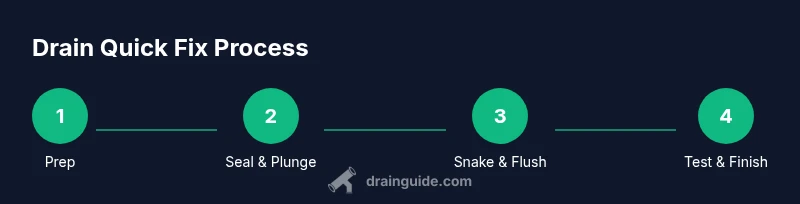
When a clog appears, begin with the simplest, safest method: a plunger. If that doesn’t clear the blockage, a manual drain snake provides more reach and mechanical action without chemicals. Avoid mixing cleaners with plungers or snakes, as chemical reactions can be hazardous. For minor buildups, a gentle flush with hot water and a scoop of baking soda can help loosen material before you attempt mechanical methods again. Always work calmly and in small, repeatable steps. If the clog persists after two rounds of plunger and snake attempts, reassess and consider professional help to avoid pipe damage. This practical approach emphasizes control, safety, and repeated checks to achieve clear drains with minimal risk.
When to Call a Pro vs DIY: Decision Guide
Not every drain issue is a DIY project, and recognizing limits is part of responsible home maintenance. If you experience multiple slow fixtures, persistent backups after repeated DIY attempts, unusual noises, or foul sewage smells, these are signs that professional intervention is wise. A licensed plumber can diagnose venting problems, main sewer line issues, or damaged piping that DIY methods can’t fix safely. If you work quickly and safely through the steps outlined here, you’ll likely resolve minor clogs and learn how to prevent them. When in doubt, call a pro and use their expertise to safeguard your home.
Choosing Drain Cleaners and Tools: Safety and Effectiveness
Chemical cleaners should be used with caution, as they can damage pipes and irritate skin or eyes. Whenever possible, prioritize mechanical methods first—plungers and snakes—before resorting to cleaners. If you decide to use any chemical product, follow the label precisely and never mix products. Consider low-risk, non-caustic options and always ventilate the area well. For home contexts, many users find that a combination of plunger, snake, and hot water flushes achieves reliable results with less risk. In all cases, store cleaners out of reach of children and pets. This balanced approach helps you protect plumbing while keep easy drains plumbing achievable.
Real-World Scenarios: Case Studies and Quick Fixes
Real-life scenarios illustrate how straightforward techniques can fix most household clogs. Case A: A slow shower drain that began draining more slowly after months of buildup was resolved with a plunger, a brief snake session, and a hot water flush. Case B: A kitchen sink with a grease-based clog improved after removing the P-trap, cleaning the trap, and reassembling it tightly, followed by a thorough rinse. Case C: A bathroom sink clogged with hair was cleared by a hair catcher and periodic maintenance to prevent future buildup. While outcomes vary, a calm, methodical approach and a ready toolbox consistently improve success rates. The common thread across these scenarios is the value of persistence, safety, and sticking to a plan to keep drains clear.
Tools & Materials
- Cup plunger(Flat, wide rubber cup; ensure a good seal with the drain opening)
- Drain snake / auger(Manual snake for clogs beyond the trap; small-diameter for sinks)
- Buckets(To collect water and debris; place under trap area)
- Adjustable wrench(Useful for removing the P-trap if needed)
- Gloves (rubber or nitrile)(Keep hands clean; protect from dirty water)
- Flashlight(Inspect dark corners and P-trap area)
- Towels or drop cloths(Contain spills and protect surfaces)
- Hair catcher / drain filter(Optional for ongoing protection)
Steps
Estimated time: 60-90 minutes
- 1
Prep the workspace
Clear the area under the sink, remove valuables, and place towels. This reduces mess and helps you see what you’re doing. If water is standing, sop it up before you begin.
Tip: Having a clear space prevents slips and lost parts. - 2
Seal and test the drain with a plunger
Position the plunger to seal the drain outlet. Apply steady pressure to create suction, short plunges, and lift to dislodge the clog. If water is present, maintain seal for the plunge.
Tip: A good seal is essential for effective suction; ensure the plunger cup fully covers the drain. - 3
Use a drain snake for deeper clogs
Insert the snake into the drain and rotate the handle to break up the clog. Push gently and pull back to retrieve debris. Repeat until resistance eases.
Tip: Avoid forcing the snake; you can damage pipes. Short, controlled movements work best. - 4
Consider a baking soda and hot water flush
If you prefer non-chemical methods, pour 1/2 cup baking soda, followed by hot water after several minutes. This can help loosen minor buildups without harsh cleaners.
Tip: Do not use boiling water on PVC pipes; use near-boiling water instead. - 5
Flush with hot water and observe
Rinse the drain with hot water to carry debris away. Check if water drains freely after several seconds.
Tip: A steady stream helps prevent re-settling debris. - 6
Inspect the P-trap if needed
If drainage remains slow, carefully loosen and remove the P-trap to clean out sediment. Reassemble tightly to prevent leaks.
Tip: Always hold the trap over a bucket to catch water and debris. - 7
Test the drain and ensure a seal
Run water for a minute to verify smooth flow. Check for leaks around the joints.
Tip: Double-check the seals after reassembly to avoid future leaks. - 8
Clean up and store tools
Return tools to their storage, wipe surfaces, and dispose of debris properly. Document any recurring issues for future reference.
Tip: Keep a simple maintenance log for quick future checks.
Got Questions?
What is the best method for a slow-emptying sink?
Start with a plunger to create suction. If that fails, try a drain snake carefully, then flush with hot water. Regular maintenance helps prevent recurrence.
Try the plunger first, then a drain snake if needed, followed by a hot water flush. Regular maintenance helps.
Are chemical drain cleaners safe for PVC pipes?
Most chemical cleaners can damage pipes and vents if used improperly. Prefer mechanical methods and non-corrosive cleaners. Always read manufacturer guidance.
Chemical cleaners can harm pipes; mechanical methods are safer. Read labels carefully.
How long should baking soda and vinegar take to work?
The bubbling reaction helps loosen buildup but usually requires flushing with hot water and repeated effort. Do not rely on it as a sole cure for stubborn clogs.
Baking soda helps loosen buildup but you may need hot water and persistence.
When should I call a plumber?
If multiple fixtures are slow, sewage smells persist, or the blockage recurs after DIY attempts, professional help is advised.
If the clog spreads or recurs, call a professional.
Do I need to remove the P-trap?
Not always, but removing the P-trap can reveal and clear trapped debris. Use a bucket and wrench; reassemble tightly to prevent leaks.
Sometimes you need to remove the P-trap to clean it fully.
Watch Video
The Essentials
- Diagnose drain issues early to prevent mess
- Use simple tools first before aggressive methods
- Safety first: gloves, eye protection, and ventilation
- Regular maintenance reduces clogs and saves time
- Know when to call a pro for complex blockages