Emergency Drain Cleaning: Quick and Safe Fixes for Homeowners
Learn how to perform emergency drain cleaning safely with step-by-step methods, safety tips, and when to call a pro. This guide covers tools, techniques, and maintenance to prevent future clogs.


You will perform emergency drain cleaning to clear a sudden clog and restore flow safely. This guide covers identifying urgent signs (sewage-backed water, foul odors, slow draining), choosing the right non-caustic methods and tools, and executing a rapid, step-by-step plan. Start by assessing safety, gathering PPE and tools, and proceeding methodically to minimize mess and damage.
Emergency drain cleaning: rapid triage and definitions
Emergency drain cleaning isn't just about a clogged sink; it's about recognizing when a blockage could cause sewage backup or structural damage. In homes, urgent signs include water backing up from a drain, sewage odors in bathrooms or basements, gurgling sounds, or multiple fixtures draining slowly at once. If you notice any of these signs, treat it as an emergency and act promptly to minimize mess and potential contamination. According to Drain Guide, quick triage and early containment can prevent overflow and limit damage. Start by identifying the affected drain, shutting off nearby valves if possible, and isolating the area from living spaces to reduce exposure. Do not attempt to push the clog further into the system or use electrical tools in a wet environment. If wastewater is actively backing up into living spaces or there is a strong sewage smell, evacuate the space and call emergency plumbing services or a licensed plumber immediately. Remember: swift, safe actions now save you time and money later.
Safety first: PPE, hazards, and proper precautions
Before you reach for a tool, assemble PPE: gloves (chemical-resistant if you might encounter cleaners), goggles, and a waterproof apron. Ventilate the area if you can, and keep a bucket and towels handy for spills. Sewer gases can accumulate quickly in closed spaces; never seal off a room with a clogged main line. If water is backing up into multiple fixtures, shut off the main water supply to reduce flooding while you work. For electrical safety, avoid using powered tools near standing water unless you have a grounded, dry space and a GFCI outlet. Finally, if you’re working on an upstairs bathroom, place towels at the door to limit cross-contamination.
Immediate non-chemical techniques you can try right away
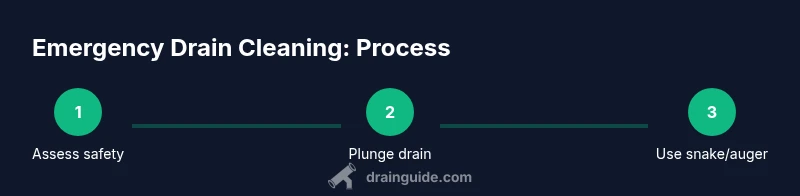
For many clogs, mechanical methods are effective and safer for pipes than chemical cleaners. Start with a standard sink plunger: ensure a good seal and push in a controlled, vertical motion to dislodge the clog. If plunging doesn’t clear the drain, use a drain snake or hand auger to reach the blockage deeper in the pipe; rotate slowly and pull back to break up the clog. A wet-dry vacuum can also help remove standing water and debris when a plunger isn’t enough. Hot water, mixed with a bit of dish soap, can help soften grease in kitchen drains, but avoid boiling water on PVC pipes if you’re unsure of their rating. Keep the area clean as you work to prevent slips.
Chemical cleaners: what works, what to avoid, and safety tips
If you consider chemical cleaners, prefer those labeled for the specific pipe material and use them sparingly. Avoid mixing different cleaners—acidic and alkaline products can release dangerous fumes and damage pipes. Non-caustic enzymatic cleaners can help some minor organic clogs over time, but they are not a quick fix for emergencies. Never use these cleaners in a live septic system with standing water or when you suspect a sewage backup. Read and follow the label directions, keep the area well-ventilated, and wear eye protection. In most cases, mechanical methods will resolve a true emergency faster and with less risk.
Prevention and maintenance to avoid future emergencies
After you clear a clog, take steps to prevent recurrences: install hair catchers on bathroom sinks and tub drains; avoid pouring grease down kitchen drains; flush kitchen drains with hot water weekly and use baking soda and vinegar as a gentle monthly maintenance routine rather than a quick fix. Regularly inspect traps beneath sinks; trap seals can dry out, allowing sewer gases to escape and attract pests. If you have a septic system, avoid flushing non-decomposable items and schedule periodic inspections. A little proactive maintenance reduces the odds of a dramatic clog requiring emergency drain cleaning.
Drain Guide’s approach: when to hire a professional
Drain Guide analysis emphasizes safety and using mechanical methods first, reserving chemical cleaners for minor issues only. If the clog persists after using a plumber’s snake or toilet auger, or if you notice sewage backups, call a licensed plumber promptly. The Drain Guide team notes that a stubborn clog may indicate a bigger problem in the main line or vent system, which requires professional equipment and expertise. For DIY attempts, document the symptoms, steps you took, and any tools used; this helps the pro diagnose faster and reduces the chance of repeating mistakes.
Authority sources
- OSHA: https://www.osha.gov
- EPA: https://www.epa.gov
- University Extension: https://extension.illinois.edu
Tools & Materials
- Sink plunger with flange(Use a cup/plunger with a tight seal for sinks.)
- Toilet plunger(Flanged version recommended for toilets.)
- Drain snake/hand auger(8-15 ft length is typical; choose based on drain depth.)
- Wet-dry vacuum(Optional for removing standing water and debris.)
- Rubber gloves(Chemical-resistant if cleaners may be used.)
- Safety goggles(Protect eyes from splashes.)
- Bucket, towels, rags(Contain spills and clean as you work.)
- Flashlight(Inspect dark pipes and traps.)
- Dish soap(Used with hot water to help grease in sinks.)
- Boiling water or hot water(Use with caution on non-PVC pipes.)
- Enzyme-based cleaner(For maintenance, not emergency fixes.)
Steps
Estimated time: 60-90 minutes
- 1
Assess and secure the area
Survey the scene, identify the clogged drain, and contain water to prevent overflow and contamination. If sewage backup is present, prioritize safety and call a professional. Keep children and pets away and avoid any electrical devices near the wet area.
Tip: Take a quick photo or note symptoms for the plumber if needed. - 2
Put on PPE and prep tools
Don PPE: gloves, goggles, and a waterproof apron. Gather your tools in a reachable area and tape off the work zone to minimize exposure and spills.
Tip: Double-check that your PPE is dry and sealable before you begin. - 3
Plunge the drain
Seal the drain with the plunger and use firm, vertical pushes to dislodge the clog. Break the vacuum by alternating rapid pushes; avoid heavy force that could push the clog further or damage the fixture.
Tip: If you feel air or no resistance, re-seat the seal and try again. - 4
Use a drain snake/auger
Insert the snake into the drain and rotate slowly while pushing forward to reach the blockage. When you feel resistance, gently pull back to break up the clog and debris.
Tip: Do not force the snake; resistance often means you’re hitting pipe bends or a real blockage. - 5
Flush and test
Run hot water (or warm soapy water for kitchen drains) to rinse loosened debris. Check if water clears and drains steadily; repeat if necessary in small increments.
Tip: Check for leaks and ensure the trap remains secure after testing. - 6
Clean up and preventive steps
Wipe surfaces, sanitize tools, and replace any disposable liners. Consider installing hair catchers and practicing monthly maintenance to reduce future emergencies.
Tip: Document what worked or didn’t for future DIY trips.
Got Questions?
Is emergency drain cleaning safe to DIY?
Emergency drain cleaning can be safe when you use proper PPE and non-chemical methods first. If you’re unsure about the clog’s cause or if sewage is involved, stop and call a licensed plumber.
DIY can be safe with the right safety gear, but don’t push your luck if sewage is involved—call a pro.
What should I do first when I notice a backup?
Isolate the area, shut off water to the affected fixture if possible, and ventilate. Avoid using chemical drain cleaners as a first move and consider calling a plumber for backups.
First, isolate the area and vent; avoid jumping to cleaners and call a plumber if the backup persists.
When should I call a plumber rather than DIY?
Call a plumber if there is sewage backup, repeated clogs, or if you cannot safely access or clear the drain using mechanical methods.
Call a plumber if backups continue after mechanical attempts or you smell sewage.
Do enzyme cleaners help with emergencies?
Enzymatic cleaners can help minor organic clogs over time but are not a quick fix for urgent emergencies. They’re better for maintenance than for immediate relief.
Enzyme cleaners aren’t a fast fix for emergencies; they’re for gradual maintenance.
Can using a drain snake damage pipes?
Yes, improper use can damage pipes, especially if you force the tool or hit hard pipe bends. Use the device gently and slowly.
Be careful with a snake—don’t force it and stop if you feel unusual resistance.
How long does emergency drain cleaning typically take?
Time varies with clog severity, but many urgent jobs take from 30 minutes to a couple of hours when mechanical methods work. Complex issues may take longer.
Most quick fixes run under an hour, but complex clogs can take longer.
Watch Video
The Essentials
- Identify urgency before beginning
- Wear proper PPE and secure the area
- Try mechanical methods first (plunger, then snake)
- Avoid chemical cleaners for emergencies
- Call a pro if the clog persists or sewage backs up