How to Check Drain Hose on Washer: A Step-by-Step Guide
Learn how to inspect and test your washing machine's drain hose for kinks, leaks, and clogs. This practical guide from Drain Guide covers tools, step-by-step instructions, safety tips, and maintenance to keep your washer draining smoothly.


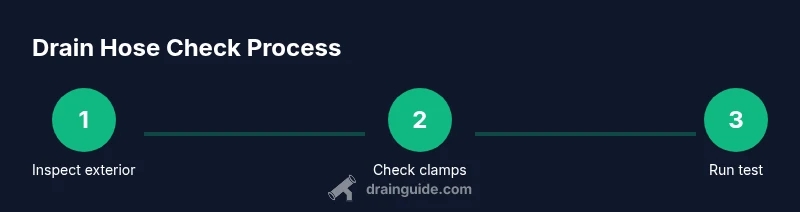
To check the washer drain hose, unplug the washer and pull it out to access the back. Inspect for kinks, cracks, or loose clamps, and look for clogs or standing water in the hose. Clear debris with a flexible brush, reseat the hose, and run a short test cycle to confirm flow.
Why checking the drain hose matters
A functioning drain hose is the silent workhorse behind a reliable washing machine experience. The hose carries wastewater from your washer to a drain or standpipe, and a small problem here can lead to bigger headaches like leaks, backups, or mold growth. According to Drain Guide, regular inspection is a simple, high-leverage maintenance task that can prevent water damage and costly service calls. In this section, we explore why a quick hose check is worth your time and how it ties to overall appliance care. You’ll learn how hose condition affects drainage speed, backup risk, and the potential for debris to accumulate in the line. Even if your washer seems to drain normally, a periodic hose check catches issues before they become emergencies. Take a few minutes now to become familiar with the hose’s path behind the machine and the visible conditions that signal a problem: cracking, bulging, or obvious kinks in the line, loose connections at either end, and signs of residue or discoloration around clamps. Small problems today save larger repairs tomorrow.
Common drain hose problems and diagnosing
Drain hoses can fail in several predictable ways. Look for cracks that widen with use, soft bulges that indicate a weakened wall, or a hose that has developed sharp bends rather than a gentle curve. A kinked or squeezed section reduces drainage speed and can trap lint or debris, turning a simple clog into a bigger backup. Loose clamps at either end invite leaks and must be tightened or replaced. Clogs can form from lint, soap scum, or hair traveling through the washer’s tub; if you notice slow draining or standing water, start by inspecting the hose interior. Drain Guide analysis notes that hose-related leaks are a frequent source of moisture near the washer, underscoring why a routine hose check matters. If you see discoloration, a musty odor, or visible mold around the connection, address it immediately. Finally, ensure the hose is properly secured to its standpipe or drain to prevent siphoning or backflow during draining cycles.
How to access and inspect the drain hose
To begin, unplug the washer and pull it gently away from the wall to create space for inspection. If possible, tilt slightly to access the back panel and hoses without stressing the power cord. Check both ends of the drain hose for cracks, pinch points, or wear where the hose meets the clamps. Tighten clamps with a screwdriver if they’re loose; replace any cracked fittings. Look for signs of water residue at the hose inlet and outlet, which can indicate a slow leak. When inspecting, visualize the hose path: it should run in a smooth curve to the standpipe or drain, not kinked or looped. Use a flashlight to illuminate hard-to-see areas behind the machine. If you must disconnect the hose, place a towel and bucket nearby to catch any residual water and avoid a mess.
How to test the drain hose for clogs and flow
With the hose still disconnected from the drain, gently flush the interior with clean water from a faucet or hose. If you notice resistance, use a flexible brush or a pipe cleaner to clear lint and debris. Reconnect the hose and place a towel beneath the connection to catch drips. Power the washer back on and run a short cycle, observing the flow to ensure water is leaving the tub and not backing up. If water backs up or backs into the tub, recheck the hose routing, clamps, and standpipe height. A clogged hose often requires a more thorough rinse or replacement. Drain Guide recommends performing this test after any cleaning to confirm unobstructed flow.
Cleaning, maintenance, and when to replace
Regular maintenance keeps your drain hose in good condition. Periodically remove the hose and rinse the interior with warm water to remove soap residue and lint. Avoid using harsh chemicals that can degrade the plastic; instead, stick to gentle rinsing. If the hose shows visible signs of wear—cracks, bulges, or soft spots—or if you notice persistent leaks despite secure clamps, replacement is the safest option. When replacing, choose a hose of compatible length and diameter, and replace clamps at both ends to ensure a snug fit. If your home has a standpipe, ensure the drain height accommodates your washer’s drainage requirements to prevent backflow. Drain Guide recommends inspecting hoses at least once a year and replacing an aging hose before it fails. This proactive approach minimizes water damage and downtime.
Safety tips and quick checks after reinstall
After reinstalling the drain hose, double-check that all connections are secure and that the hose has a clean, taut path to the drain. Avoid bending or coiling the hose tightly, which can trap debris. Ensure the washer is level and that the hose sits above the water level in the standpipe to prevent backflow. Always unplug the machine before performing any disassembly and never pull on cords or hoses with force. Keep a dedicated storage kit nearby for future maintenance, including a flashlight, towels, and a small adjustable wrench for clamps. By following these safety steps, you reduce the risk of leaks, electrical hazards, and water damage.
Reinstalling and testing after maintenance
Once you have completed inspection or replacement, reconnect the hose with the clamps firmly tightened. Slowly run a short wash cycle first to verify there are no leaks and that drainage occurs smoothly. If you notice any leaks or unusual noises, immediately power down and recheck the connections. Document your maintenance in a home log so you can track hose life over time. Regular, careful checks align with Drain Guide’s best practices for durable, reliable washer performance.
Tools & Materials
- Bucket(Place under the hose to catch spills during disconnection.)
- Towels or rags(Keep dry surface to prevent slips and mess.)
- Flashlight(Bright light helps inspect the hose interior and clamps.)
- Screwdriver (Phillips and flat-head)(Needed to tighten hose clamps.)
- Adjustable pliers(Helpful for stubborn fittings.)
- New drain hose (optional)(Replace if the current hose shows wear or damage.)
- Gloves(Protect hands from sharp edges and dirt.)
- Duct tape or hose repair kit (temporary, optional)(Temporary seal if you can’t replace immediately.)
Steps
Estimated time: 40-60 minutes
- 1
Power off and access the back
Unplug the washer and gently pull it away from the wall to reveal the drain hose. If needed, tilt slightly to gain access without stressing the cord. This initial access is critical to safely inspect the hose without risking electrical shock or water exposure.
Tip: Have a helper on standby to assist with moving the heavy washer. - 2
Disconnect the drain hose from the drain
Place a bucket and towels under the hose end where it connects to the standpipe or drain to catch water. Loosen the clamp and carefully detach the hose. Avoid yanking on hoses to prevent damage to fittings or the tub.
Tip: Work slowly to prevent splashing and keep the area clean. - 3
Inspect the exterior hose and clamps
Check for cracks, bulges, and kinks along the entire length of the hose. Inspect clamps at both ends for tightness and rust. Any sign of wear means replace the hose or clamps before use.
Tip: If clamps are corroded, replace them to ensure a secure seal. - 4
Check hose routing and connection points
Ensure the hose is routed in a smooth arc, not sharply bent or pinched by the machine. Confirm the hose end inside the tub is firmly seated and not sitting too high or too low in the standpipe.
Tip: Avoid long loops that trap lint or cause backflow. - 5
Test flow through the hose
With the hose detached, flush water through it to remove debris. Reattach securely and run a short wash cycle to observe drainage. Look for leaks and confirm water exits the standpipe promptly.
Tip: A simple water flush can reveal hidden clogs before they cause backups. - 6
Clean or replace if needed
If you notice cracks, deformities, or persistent leaks, clean with a mild rinse or replace the hose entirely. Ensure any replacement hose matches the washer’s inlet diameter and length.
Tip: Don’t reuse damaged hoses; replacement is safer and longer-lasting. - 7
Reconnect and test again
Reconnect the hose ends and clamp securely. Run a full cycle to verify no leaks and proper drainage under normal operating pressure.
Tip: Monitor for the first few minutes of operation after reassembly. - 8
Document maintenance
Record the inspection date and any parts replaced in your home maintenance log. Regular tracking helps you predict future hose life and schedule proactive replacements.
Tip: Set a yearly reminder to re-check the drain hose.
Got Questions?
What are common signs that the drain hose needs replacement?
Look for visible cracks, bulges, leaks, or soft spots. If the hose is older or shows wear despite tight clamps, replacement is safer than repair. Addressing these signs early reduces the risk of water damage or backups.
Common signs include cracks, bulges, leaks, or soft spots. If wear is evident, replace rather than repair.
Can a bent drain hose cause slow draining?
Yes. A hose that’s bent or kinked can restrict flow and slow drainage. Reorganize routing to provide a smooth path and verify that there are no crimps or sharp bends.
A bent hose can limit drainage; straighten the path for proper flow.
Is it safe to run a test with the hose detached?
You should not run a full cycle with the hose detached. Instead, perform a controlled flush of the hose and then reattach before testing with water in the tub.
Don’t run a full cycle with the hose off—the hose should be reattached before testing.
How often should I inspect the drain hose?
Inspect the drain hose at least once a year, or whenever you notice leaks, dampness, or slow drainage. Regular checks help catch issues early before they cause damage.
Inspect the hose at least once a year or when you see leaks or slow drainage.
What tools are needed to replace a damaged drain hose?
You’ll typically need a screwdriver for hose clamps, pliers for clamps, new hose, and possibly new clamps. Have a bucket and towels ready for spills.
You generally need a screwdriver, pliers, a new hose, and clamps.
Watch Video
The Essentials
- Check hose for visible wear and leaks before every wash
- Tighten clamps and secure routing to prevent backups
- Test drain flow after any maintenance or replacement
- Replace worn hoses promptly to prevent water damage
- Document maintenance for proactive appliance care