How to Drain a Toilet: A Step-by-Step Home Guide for DIY
Learn a safe, practical method to drain a toilet, prevent overflows, and clear clogs with step-by-step instructions, tools, and maintenance tips for homeowners.


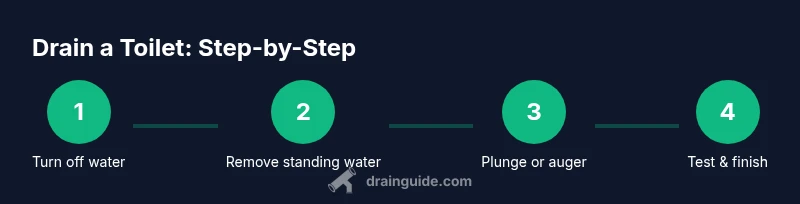
Drain a toilet safely and effectively by following a practical, step-by-step approach. You’ll turn off the water, remove standing water, and use a flange plunger or toilet auger to clear common clogs, then test the drain and restore normal operation. This guide also covers safety gear and cleanup to prevent spills and contamination.
Why draining a toilet matters and what you’ll accomplish
Drainage issues in a toilet can lead to messy overflows, unsanitary conditions, and costly repairs if ignored. When you know how to drain a toilet, you gain control over ordinary clogs and backups without resorting to harsh chemicals or emergency calls. This section explains the practical reasons for draining a toilet and what you can expect to achieve by following the steps in this guide. You’ll learn how to minimize water loss, protect flooring, and reduce the risk of sewage exposure. By mastering the basics, you’ll also be better prepared to handle minor drain problems quickly and safely, preserving the health of your home’s plumbing system. According to Drain Guide, understanding the sequence and safety considerations helps homeowners approach toilet drainage issues with confidence and care.
Safety considerations and when to call a professional
To drain a toilet safely, you must understand both the mechanical steps and the safety boundaries. Start with basic PPE: rubber gloves, protective eyewear if splashes are likely, and a mask if you’re sensitive to odors. Work in a well-ventilated area and keep children and pets away from the work zone. If you encounter sewage backflow, a foul odor that persists after attempts to clear the clog, or if the toilet is not returning to normal after multiple attempts, stop and contact a licensed plumber. Some situations require specialized equipment, vent checks, or sewer line evaluation that are beyond DIY scope. Drain Guide highlights that safe handling and knowing when to escalate are essential to avoiding contamination and property damage.
Common causes of toilet drainage problems
Toilet drainage problems often stem from simple, fixable issues. Partial clogs in the bowl or trap can cause slow drainage or gurgling sounds. A blocked vent stack can cause slow drainage and backups in other fixtures, especially if other drains in the home are also slow. Mineral buildup, foreign objects, or excessive toilet paper can create stubborn blockages. In older homes, pipe corrosion or misaligned joints may contribute to recurring issues. By recognizing these patterns, you can decide whether to attempt plunging, use a toilet auger, or seek professional evaluation. Drain Guide notes that identifying the root cause speeds up resolution and reduces trial-and-error work.
Prep work: PPE, space, and tools
Before you begin, clear the area and lay down towels or a drop cloth to catch spills. Put on rubber gloves and eye protection. Have a bucket, sponge, towels, and a shallow container ready to remove water. If you anticipate a heavy backup, keep a plunger (flange type) and a toilet auger within reach. Ensure the shutoff valve behind the toilet is accessible; if the valve is stuck or difficult to reach, you may need professional help. A flashlight can help you inspect the trap and bowl for visible obstructions. Proper prep minimizes splashes and makes the process smoother and safer.
Step-by-step overview of drain methods
When a toilet clogs, most homeowners start with non-chemical methods. A flange plunger creates a seal and uses focused pressure to dislodge the blockage. If plunging isn’t effective, a toilet auger can reach deeper into the drain line. In some cases, removing stored water from the bowl and tank reduces the risk of overflow when you try to clear the clog. This overview sets the stage for the detailed steps that follow and helps you choose the right method for your situation.
Cleaning, disinfecting, and sanitation after completion
After clearing the drain, flush the toilet slowly to test function and ensure water flows normally. Refill the tank and check for any leaks around the supply line or bolts. Wipe down all surfaces with a disinfectant, especially the toilet seat, lid, and floor around the base. If any spill happened during the process, clean and sanitize immediately to minimize bacterial growth. Proper cleaning ensures the space is safe for family members and pets and helps prevent lingering odors.
Maintenance tips to prevent future clogs
Regular maintenance can dramatically reduce future drain issues. Consider routine use of a mild, non-chemical cleaner and avoid flushing non-flushable items. Periodically inspect the wax ring and flange if you notice leaks around the base of the toilet. For households with hard water, mineral build-up can affect drainage; using a mineral-control approach or a vent check can help maintain optimal flow. Keeping a small stash of basic tools and a plunger can empower you to handle minor clogs quickly and safely.
When to upgrade or replace parts
If you notice persistent drainage problems even after plunging and using an auger, it may indicate a damaged trap, corroded pipes, or an aging vent system. In these cases, professional assessment is warranted to prevent repeated backups. Replacing a worn-out wax ring, upgrading to a reinforced flange, or addressing vent stack issues can restore long-term reliability. Drain Guide suggests tracking recurring issues and scheduling a plumbing check when several backups occur within a few weeks.
Tools & Materials
- flange plunger(Essential for breaking up clogs without splashing.)
- bucket(For holding water removed from the bowl/tank.)
- sponges or towels(To soak up spills and wipe surfaces.)
- rubber gloves(Protect hands from germs and moisture.)
- wet/dry vacuum (optional)(Helpful for removing standing water quickly.)
- toilet auger (drain snake)(Use if plunging doesn’t clear the clog.)
- flashlight(Better visibility under the rim and inside the drain.)
- old towels or protection mat(Contain water and protect floor.)
Steps
Estimated time: 45-75 minutes
- 1
Turn off the water supply and empty the bowl
Locate the shut-off valve behind the toilet and turn it clockwise until it stops. Flush once to remove as much water as possible, then use a sponge or cup to remove any remaining water from the bowl. Keep towels handy for spills, and prepare your workspace.
Tip: If the shut-off valve is stiff, apply gentle pressure and avoid forcing it to prevent leaks. - 2
Scoop out remaining water from the bowl
Use a disposable cup or small container to scoop water from the bowl into a bucket. Wring out towels into the bucket as needed. This reduces splash risk during plunging or augering and gives you a clearer working area.
Tip: Work in small amounts to prevent overflow as you remove water. - 3
Choose your clearing method (plunge first)
Begin with a flange plunger to create a tight seal and push-pull with steady, controlled force. If water is obstructed, pause and re-seat the plunger for a better seal. If plunging fails after several attempts, move to an auger.
Tip: A proper seal is critical; tilt the plunger slightly to cover the drain opening completely. - 4
Use the flange plunger with correct technique
Place the flange into the drain opening and ensure a tight seal. Push down firmly without breaking the seal, then pull up with steady pressure. Repeat for 15–30 seconds, pausing briefly if water starts to drain. Check for movement of the clog.
Tip: Keep your wrist relaxed; avoid violent jerks which can splash and cause injury. - 5
Try a toilet auger if plunging doesn’t work
Insert the auger into the toilet and feed it slowly toward the blockage while rotating the handle. When you feel resistance, gently push and continue to twist to break up the clog. Retract slowly and flush intermittently to test.
Tip: Do not force the auger; gentle pressure and consistent rotation are more effective. - 6
Test the drain and assess for backups
Flush the toilet after clearing the blockage to confirm water flows down the drain. If water remains high or surges, stop and consider professional help—backups can indicate deeper problems.
Tip: Have a bucket ready to capture any unexpected overflow during testing. - 7
Restore water supply and clean up
Turn the shut-off valve back on and allow the tank to fill. Flush a few times to verify consistency. Wipe all surfaces with disinfectant and launder towels used during the process. Dispose of any waste according to local guidelines.
Tip: Inspect for leaks around bolts and connections after the final flush.
Got Questions?
What is the first step to drain a toilet?
The first step is to turn off the water supply to the toilet and flush to remove as much water as possible, then remove any remaining water with a sponge or towels. This minimizes overflow during the clearing process.
Turn off the water supply and remove the remaining water, then proceed with your chosen clearing method.
Can I drain a toilet without turning off the water supply?
It's not recommended. Draining without turning off the supply increases the risk of overflow and makes the process messier and potentially more dangerous.
Turning off the water first prevents overflow and makes the process safer.
What tools do I need to drain a toilet?
A flange plunger, a toilet auger, a bucket, gloves, towels or rags, and a sponge are the core tools. A flashlight helps with inspection, and a wet/dry vac can speed up water removal.
You’ll need a flange plunger, an auger, a bucket, gloves, towels, and a sponge.
What if plunging and augering don’t fix the problem?
If the toilet still backs up after plunging and augering, the clog may be deeper in the system or the vent may be blocked. In this case, it’s best to call a licensed plumber.
Persistent backups after plunging and augering require professional help.
Is it safe to use chemical drains in a toilet?
Chemical drain cleaners are generally not recommended for toilets because they can damage the porcelain and piping and may produce hazardous fumes. Use mechanical methods (plunger or auger) first, and consult a professional if needed.
Avoid chemical drains in toilets; mechanical methods work best and are safer.
How can I prevent future clogs?
Flush only toilet paper and human waste. Avoid flushing wipes, sanitary products, or other foreign objects. Regularly inspect the toilet and vents for unusual slow drainage and address issues early.
Prevent clogs by sticking to toilet paper and waste, and monitor drainage for signs of trouble.
Watch Video
The Essentials
- Turn off water and remove standing water before plunging or augering.
- Use a flange plunger first; move to a toilet auger if needed.
- Test the drain after each clearing attempt to avoid over-treating.
- Sanitize the area and inspect for potential ongoing issues.
- Know when to call a professional for persistent backups.