How to Prevent Drain Blockage: A Homeowner's Guide
Master practical steps to prevent drain blockage across kitchen, bathroom, and laundry drains. Learn safe maintenance, smart disposal, and routine checks from Drain Guide.


To prevent drain blockage, take simple, routine steps: install strainers, clean P-traps, and avoid pouring grease or coffee grounds down drains. According to Drain Guide, consistent maintenance and smart waste disposal dramatically reduce clogs in kitchen, bathroom, and laundry lines. This guide shows the 6 practical steps you can start today.
Why preventing drain blockage matters
Drain blockages are more than a nuisance—they disrupt daily routines and can invite odors, pests, and wastewater backflow. Understanding how to prevent drain blockage starts with recognizing that most clogs come from everyday waste; hair, soap scum, grease, and food residues build up in traps and pipes over weeks or months. When a clog forms, you may notice slower draining, gurgling sounds, or standing water in sinks and tubs. Left unchecked, minor blockages can become stubborn and require professional help, which costs time and money.
According to Drain Guide, addressing the issue early with a simple maintenance routine is the most effective way to keep drains flowing smoothly. In 2026, Drain Guide Analysis highlighted that households that adopt a predictable maintenance routine report fewer emergency calls and less reliance on chemical cleaners. While every home is unique, the core principle is the same: prevent solids from accumulating where water flows.
A practical mindset for prevention includes planning ahead: keep strainers in place, dispose of solids in the trash, and dedicate a few minutes each week to inspect traps and clean screens. By integrating these habits, you’ll reduce the risk of blockages in kitchen, bathroom, and laundry drains. This article will guide you through the steps, tools, and safe practices to build a durable, DIY-friendly prevention routine.
Common causes of drain blockages
From routine use to maintenance gaps, several culprits consistently clog drains. Hair is the leading culprit in bathroom sinks and shower drains. Soap scum and mineral deposits combine with hair to create a sticky residue that traps more debris. In kitchens, grease and food scraps often team up with starches and coffee grounds to form a heavy layer that slows flow. Flushing wipes, paper towels, or other non-flushable items can accumulate in pipes and trap sediments. Over time, these solids compress and restrict water passage, producing odors or backups. Hard water can also contribute mineral buildup in older homes, narrowing pipes and decreasing flow.
Preventing these issues relies on proactive measures: screens to catch solids, careful disposal, and routine maintenance of traps and drain lines. Drain Guide notes that consistent small interventions beat large, costly unclogging efforts. By limiting what enters the drain and keeping the path clear, you reduce the risk of blockages in all parts of the home.
Everyday habits that prevent clogs
Maintaining clear drains is easier when prevention becomes a daily habit. Start by installing and regularly cleaning strainers on every sink and shower drain to trap hair, food particles, and other solids before they enter the plumbing. Dispose of greases, fats, and cooking oils in the trash rather than down the drain, and consider composting food scraps when possible. Run hot water for 15–30 seconds after each use to wash away residual soap scum and loose debris. Schedule a monthly check of traps and screens, and keep a small waste bin next to each sink to encourage proper disposal. Finally, choose safe, non-caustic cleaners when maintenance is needed and avoid flushing wipes or other non-flushable products.
Safe cleaners and tools to use
Choosing safe cleaners helps protect your pipes and septic system. Enzymatic cleaners are a gentle, effective option for routine maintenance, digesting organic buildup without harsh chemicals. For quick, non-chemical clearing, a combination of hot water and a natural flush (baking soda followed by hot water) can be effective. Always read and follow label instructions, and never mix cleaners with bleach or ammonia. Mechanical methods, such as a plunger or a hand auger, can resolve minor clogs without chemical risks. Keep a small set of tools on hand: a P-trap wrench, bucket, gloves, and a mesh strainer for ongoing prevention.
Quick diagnostics for slow drains
If a drain is slow, start with the basics: check the P-trap for blockages, clean the basket strainer, and look for standing water or foul odors. A slow kitchen sink often points to grease buildup; a slow bathroom drain may indicate hair or soap scum. If the drain remains slow after basic cleaning, repeat treatment with enzymatic cleaners or consider a professional inspection to rule out more serious issues such as pipe damage or venting problems.
Create a home maintenance checklist
Develop a simple, repeatable weekly routine to keep drains clear. Allocate 10–15 minutes to inspect all traps and screens, remove visible hair, and run hot water through each drain. Maintain a disposal habit: empty coffee grounds and food scraps into the trash or compost, and wipe down surfaces to prevent grime. Schedule a monthly 30-minute block for deeper preventative tasks like a baking soda-vinegar flush or enzymatic cleaning. Document any changes in drain speed and address slowdowns early to avoid bigger problems.
A practical maintenance calendar you can start today
To translate theory into practice, create a yearly calendar with reminders for weekly, monthly, and seasonal tasks. Weekly: empty strainers and rinse; monthly: baking soda-vinegar and enzymatic cleanings; quarterly: inspect traps for corrosion and replace if needed; annually: call a plumber for a professional inspection and vent check. Use a digital calendar or wall chart to keep everyone at home on the same page. By following this calendar, you’ll maintain better flow year-round and reduce unexpected drain issues.
Tools & Materials
- P-trap wrench(Used to remove/clean the U-shaped trap under most sinks)
- Bucket(To catch water when removing trap)
- Gloves(Protects hands from grime and sharp edges)
- Old towels or rags(Contain spills and keep workspace dry)
- Mesh strainers / sink screens(Trap solids before they enter the drain)
- Plumber's tape (Teflon tape)(Seal joints when reassembling pipes)
- Enzymatic drain cleaner(Use for maintenance; avoid harsh chemicals)
- Baking soda(Gentle grease-fighting agent)
- White vinegar(Works with baking soda to help break debris)
- Kettle or pot for boiling water(Safe, regular hot-water flush)
- Dish soap(Optional helper for grease)
- Pipe brush(Optional for stubborn buildup)
Steps
Estimated time: 60-90 minutes
- 1
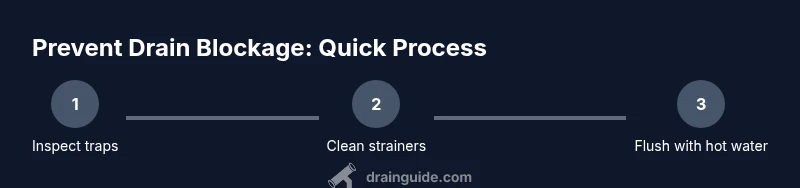
Remove and clean the P-trap
Place a bucket under the trap, carefully disconnect the U-shaped pipe, and wipe away debris. Inspect for corrosion or damage as you go. Reassemble and test for leaks with a small amount of water.
Tip: Keep a cloth ready to catch drips and avoid over-tightening fittings. - 2
Clean and reinstall strainers
Remove screens from all drains, scrub off built-up residue with soap, rinse, and reinsert. Ensure a snug seal to prevent food particles from bypassing the strainer.
Tip: Use a dedicated brush to avoid spreading grime elsewhere. - 3
Flush drains with hot water
Boil water and slowly pour a steady stream down each drain to dissolve soap scum and grease. Do this once a week or after heavy use.
Tip: Pour gradually to avoid splashing and to let the water push debris through. - 4
Ditch grease disposal down the drain
Never pour greasy liquids into sinks; instead, let grease cool and solidify in a can, then trash it. This directly reduces clog risk in kitchen lines.
Tip: A small waste can near the sink helps reinforce good habits. - 5
Monthly baking soda and hot water treatment
Pour 1/2 cup baking soda into the drain, followed by 1 cup hot vinegar, then wait 15 minutes before flushing with hot water. This combination loosens organic buildup.
Tip: Do not mix with other cleaners; allow time for fizzing to break up gunk. - 6
Use enzymatic cleaners for maintenance
Schedule an enzymatic cleaner monthly to digest organic matter without harsh chemicals. Follow label directions and keep pets and kids away during treatment.
Tip: Enzymatic cleaners work best on dry lines when used as directed. - 7
Establish a simple maintenance plan
Create a weekly checklist: skim for obvious clogs, empty strainers, and run hot water. Document any slow drains and address promptly.
Tip: Set a calendar reminder so maintenance becomes a habit.
Got Questions?
What are the most common causes of drain blockages?
Hair, soap scum, grease, and food particles are the leading culprits. Regularly cleaning traps and using strainers dramatically reduce buildup.
Hair and grease are the top culprits. Regular cleaning lowers buildup and keeps drains flowing smoothly.
Can I use chemical drain cleaners to prevent clogs?
Chemical cleaners can damage pipes and septic systems. For prevention, opt for mechanical cleaning and enzymatic cleaners when needed.
Chemicals can harm pipes. Use mechanical cleaning and enzymes for safe prevention.
How often should I flush drains with hot water?
A weekly hot-water flush is typically effective, especially in kitchen sinks with grease exposure. Adjust frequency based on usage.
A weekly flush helps, especially in grease-prone kitchens.
Is baking soda and vinegar safe for all drains?
Yes for most residential drains when used in moderation and followed by plenty of hot water. Avoid if you have a stubborn clog that needs professional help.
Baking soda and vinegar is usually safe, but don't force a stubborn clog—seek help if needed.
When should I call a plumber?
If you notice persistent slow drains, repeated backups, or gurgling after using disinfectants, consult a licensed plumber to inspect for pipe damage or venting issues.
If drains stay slow or back up, call a plumber to check pipes and vents.
Watch Video
The Essentials
- Install strainers on all drains
- Clean P-traps regularly to prevent blockages
- Use safe, non-chemical maintenance methods
- Create a weekly maintenance habit
- Dispose of grease and solids properly