Oil Drain Guide: Clear & Maintain Kitchen Grease Lines
Learn a safe, step-by-step method to clear oil drains, prevent grease clogs, and dispose used cooking oil responsibly. Practical tips, tools, and safety guidance for homeowners from Drain Guide.


This guide teaches you to safely clear an oil drain and prevent future clogs in kitchen or workshop grease lines. You’ll learn a step-by-step method using baking soda, hot water, enzymatic cleaners, and approved degreasers, plus disposal tips and safety cautions. Drain Guide's insights help protect plumbing and sewers. This practical approach emphasizes safety, proper waste handling, and when to call a professional.
What is an oil drain?\n\nAccording to Drain Guide, an oil drain refers to any plumbing channel that routinely handles used cooking oil, fat, or grease. In most homes, this is the kitchen sink drain and its connected pipes, plus grease traps or interceptors in commercial setups. Over time, oil drains can accumulate a stubborn layer of fat that sticks to the pipe walls, reducing flow and inviting odors. When we say oil drain in this article, we focus on fats, oils, and grease (FOG) that enter residential drainage, how they behave in pipes, and how to manage them safely. Regular maintenance helps prevent backups, rodent issues, and sewer line problems. Drain Guide emphasizes that the simplest prevention is to keep oil out of drains whenever possible by letting oil cool and disposing it in the trash. If you must dispose via drain, follow approved practices and use enzyme cleaners to help break down residues.
How oil drains clog and back up\n\nOil drains clog when fats and oils cool and adhere to the pipe surfaces. As this greasy film thickens, it traps hair, soap scum, and mineral deposits, narrowing the passage and slowing or stopping flow. In residential systems, the most common offenders are used cooking oil from pans, frying oil, and dairy fats that enter through the sink or disposal unit. Grease that enters a sewer line can accumulate into larger blockages, resulting in backups in sinks or even sewer odors. Regular awareness of what goes down the drain reduces greasy buildup and helps you plan preventive measures with Drain Guide.
Safety and PPE when working with kitchen grease\n\nWorking with oil drains can involve splashes and slippery surfaces. Always wear rubber gloves to protect your hands and non-slip footwear. Eye protection is smart if splashing occurs, and a simple apron can keep clothing clean. Work in a well-ventilated area to avoid fumes, especially when using enzymatic cleaners or degreasers. Keep children and pets away from the work zone. If you have a septic system, avoid flushing large volumes of oil or chemical cleaners that may disrupt beneficial bacteria.
Common causes of grease buildup in drains\n\nGrease buildup happens when hot oil hits cool pipes and begins to congeal, forming a sticky layer that traps hair, soap scum, and debris. In kitchen drains, frequent disposal of cooking oil, fats from meat, and dairy fats contribute to this layer. Over time, misused cleaners or improper disposal practices can corrode pipes or shift solids, making clogs harder to remove. Poor trap maintenance or failed grease interceptors in some homes can also allow grease to bypass initial containment, pushing the problem downstream.
Preventive maintenance for oil drains\n\nPreventive maintenance is easier than dealing with a full clog. Start by never pouring hot oil down the drain; instead, let it cool and wipe or bag it for disposal. Use a small amount of dish soap and hot water to flush the lines periodically, especially after heavy frying or meal prep. Schedule a monthly 5–10 minute check: run hot water, followed by a baking soda flush, then a rinse with hot water. If you have a grease trap, have it inspected and cleaned per local guidelines to keep it functioning properly.
When to use DIY methods vs professional service\n\nMany minor grease buildup and slow-drain scenarios can be addressed with basic home methods, such as baking soda, hot water, and enzymatic cleaners. However, severe clogs that involve multiple fixtures, foul odors, or sewage backups require professional help. If you must call a pro, provide details on your recent cleaning attempts and the products you used. Pro plumbers can safely scope the line and remove blockages without risking pipe damage.
Routine cleaning steps you can perform monthly\n\nCreate a simple monthly routine for oil drains: collect used oil in a sealed container for proper disposal, flush the drain with hot water, apply baking soda directly into the drain, and add hot water after a few minutes. Optionally, use an enzymatic cleaner to help digest organic residues. Keep your kitchen drain area clean and free of food scraps to minimize debris entering the pipes.
Selecting the right cleaners and tools\n\nChoose degreasers designed for kitchen use and avoid harsh chemical drain cleaners that can damage pipes or septic systems. Enzymatic cleaners are a gentler option that still break down fats over time. For persistent blockages, a hand-held drain snake can remove hair and solids that trap grease. Always follow product labels and wear protective gear when handling cleaners.
Disposal and environmental considerations\n\nOil and used cooking oil should never be poured down a storm drain or sewer line. Reuse, recycle, or solidify oil for safe disposal in a trash receptacle or designated waste facility. Check local guidelines on grease disposal, as some communities require specific containers or pickup. Proper disposal protects plumbing, wastewater treatment, and the environment.
Quick troubleshooting: slow drains and minor clogs\n\nIf you notice a slow drain, start with a hot-water rinse and baking soda flush. If the clog persists, try enzymatic cleaners before resorting to mechanical methods. If there is any sign of sewer odor or backup, stop DIY methods and contact a licensed plumber immediately.
Tools & Materials
- Dish soap (grease-cutting)(Choose a formula designed for tough greases)
- Baking soda(Standard household baking soda)
- Hot water(Near-boiling is optional; avoid damage to PVC if unsure)
- White vinegar(Optional for odor control and fizzing helps lift residues)
- Enzymatic drain cleaner(Gentler alternative to caustic cleaners)
- Drain snake / auger(For stubborn clogs you can reach into the trap or pipe)
- Rubber gloves(Protect hands from grease and cleaners)
- Goggles(Eye protection if splashes occur)
- Old towels or rags(Contain drips and spills)
- Bucket(Catch drips when removing parts)
- Trash bag(Dispose used oil and oily waste properly)
Steps
Estimated time: 60-90 minutes
- 1
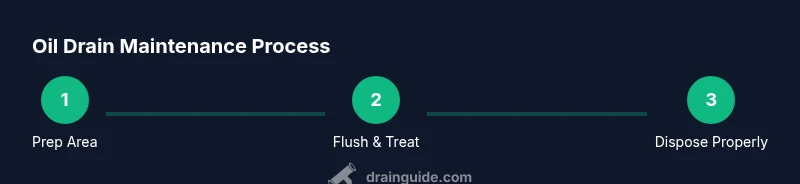
Prepare the area and safety gear
Clear the work area, lay towels, and put on gloves and goggles. This reduces the risk of skin contact with hot oil and protects your eyes from splashes. Have your cleaning supplies within reach before you start.
Tip: Keep an old towel under the drain to catch drips. - 2
Turn off flow and remove standing water
If your sink has standing water, remove it with a cup or small container to reveal the trap and the oil layer. This helps you target the clog more effectively and prevents overflow when you flush.
Tip: A wet/dry vacuum can be helpful for stubborn puddles in a pinch. - 3
Add baking soda into the drain
Pour 1/2 to 1 cup of baking soda into the drain, aiming for the grease-heavy area. Baking soda acts as a mild abrasive that helps break up fat deposits and prepares the surface for flushing.
Tip: If the drain is very slow, you may add more baking soda after waiting briefly. - 4
Flush with hot water and dish soap
Pour hot water mixed with a squirt of dish soap into the drain to begin lifting grease. The soap emulsifies fats, making them easier to wash away with water.
Tip: Use a long boiling-water flush if your pipes are metal and in good condition. - 5
Optionally add vinegar and wait
Pour a small amount of white vinegar into the drain and let it fizz for a few minutes. Fizzing helps loosen organic buildup and leaves a fresh scent; avoid mixing with actual bleach.
Tip: Wait 5–10 minutes to let the reaction do its work. - 6
Use an enzymatic cleaner if needed
If the clog remains, apply an enzymatic cleaner according to product instructions. Enzymes digest fats over time and are gentler on pipes than harsh chemical cleaners.
Tip: Do not mix products unless the label explicitly allows it. - 7
Mechanical clearing if accessible
If you can access the trap, remove it and manually clear grease and debris with gloves and a brush. Reassemble securely after cleaning to prevent leaks.
Tip: Always reassemble the trap tightly to avoid leaks. - 8
Rinse and re-test the drain
Run hot water through the drain for several minutes to flush residues. Check for improved flow; if not, proceed with a drain snake.
Tip: If you hear gurgling, there may be a deeper blockage. - 9
Dispose used oil properly
Allow used cooking oil to cool and then seal it in a rigid container for disposal with your household waste or recycling program. Do not pour oil down the drain again.
Tip: Check local waste guidelines for disposal specifics.
Got Questions?
What causes oil drains to clog?
Clogs form when fats and oils cool and solidify inside pipes, attracting hair, soap scum, and mineral deposits. Repeated disposal of cooking oil and meat fats accelerates buildup, especially in longer runs or bends where flow slows.
Clogs happen when fats harden in pipes and trap hair and soap; regular disposal of oil and fats can speed this up.
Can I pour used cooking oil down the drain?
Pouring used cooking oil down the drain is not recommended. It can solidify in pipes and cause blockages, especially in warmer climates or older plumbing. Instead, let it solidify and dispose in the trash or take it to a recycling facility.
Avoid pouring oil down the drain; solidify it and dispose properly.
Is baking soda and vinegar safe for oil drains?
Baking soda and vinegar can provide a gentle, occasional boost, but they are not a guaranteed fix for heavy grease. They are safer for pipes and can help with minor residue, but persistent clogs require stronger methods or professional help.
Baking soda and vinegar are mild and may help a little, but don’t rely on them for big clogs.
How often should I clean oil drains?
Aim for a monthly, short maintenance routine, plus a larger check every 3–6 months depending on usage. Regular maintenance reduces buildup and extends pipe life.
Clean monthly and inspect every few months to stay ahead of grease buildup.
Can I use chemical drain cleaners for oil drains?
Strong chemical cleaners can damage pipes, septic systems, and grease traps. Prefer enzymatic cleaners or mechanical methods and avoid mixing products unless the label permits.
Harsh chemicals can damage plumbing; enzymatic cleaners or mechanical methods are safer.
When should I call a plumber?
If you notice persistent slow drains, strange odors, gurgling sounds, or sewage backups, stop DIY methods and contact a licensed plumber. A pro can scope the line and prevent further damage.
Call a plumber if the problem persists or you notice backups or sewer smells.
Watch Video
The Essentials
- Identify and separate oil waste from the drain whenever possible.
- Use baking soda and hot water as a first-line flush for grease lines.
- Enzymatic cleaners are gentler on pipes than harsh chemicals.
- Dispose used oil through proper channels, not down the drain.
- Call a plumber for persistent or foul odors and backups.