Ultimate Drains: Practical DIY Drain Troubleshooting
Learn how to diagnose, clear, and prevent clogs across kitchens, bathrooms, and outdoor drains with safe, step-by-step methods from Drain Guide. Tools, safety, and maintenance for long-term reliability.


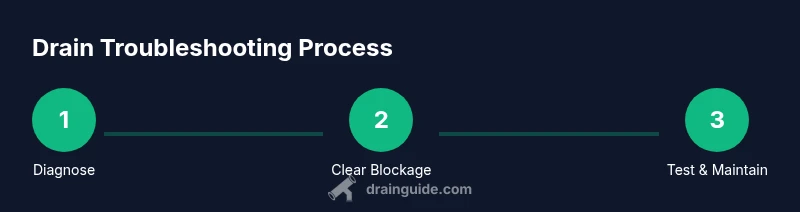
According to Drain Guide, ultimate drains can cause slow or backed-up water across kitchens, bathrooms, or outdoors. This guide teaches you how to diagnose, clear, and prevent clogs with safe, practical, step-by-step methods. It covers basic tools, safety, and maintenance for long-term reliability. The guidance applies to kitchen sinks, bathroom basins, laundry room drains, and exterior cleanouts, emphasizing prevention and safe handling.
What are ultimate drains and why they matter
The phrase ultimate drains refers to drainage systems designed to minimize problems through thoughtful layout, regular maintenance, and proactive care. For homeowners, the goal is not just to fix a clog when it happens but to reduce the chance of backups across kitchens, bathrooms, laundry areas, and outdoor drains. Drain Guide's long-running analysis shows that many clogs originate at the trap or at the branch lines closest to fixtures, then propagate downstream. Understanding how your system is supposed to work helps you spot anomalies early, save water, and prevent health risks from standing water. In this guide, we’ll cover how clogs form, how to assess the health of your drains, and how to build a practical maintenance habit that keeps flow steady. We’ll also distinguish between superficial blockages, deeper pipe problems, and venting issues that trap gas and slow drains. By the end, you’ll have a clear framework you can apply to kitchen sinks, bathroom basins, showers, and outdoor cleanouts. Key signs of a healthy drain include prompt drainage with minimal gurgling and a clean trap seal. If you notice frequent backups, pungent odors, or slow draining across multiple fixtures, it’s a clue that a deeper issue may exist.
Common drain problems and how to spot them
Drain problems show up in predictable ways. A slow kitchen sink or bathroom basin is often a sign of a developing blockage or a trapped air issue. Gurgling noises in pipes can indicate venting problems or partial clogs. If water backs up into another fixture when you run water, the problem may lie downstream in the main line or a shared branch. Odors are a telltale sign of organic buildup in traps or slow draining that allows sewer gas to enter living spaces. Inspect the trap under each sink for hair, soap scum, or grease deposits. If you see standing water or dark rings around the P-trap, it’s time to investigate further and consider flushing lines or snaking.
Tools and safety basics for DIY drain work
Before you start, lay out safety gear and the essential tools. Wear gloves and eye protection, and ensure children and pets are out of the work area. A basic kit typically includes a cup plunger, a closet auger or drain snake, a bucket, rags, a flashlight, adjustable pliers, and a rigid brush. Have baking soda and white vinegar on hand for gentle, chemical-free cleaning options. Keep a towel nearby to catch splashes and a sealable bag for used rags. If you ever plan to use chemical cleaners, read labels carefully and never mix products; ventilation and patience are key to safe outcomes.
Diagnostic strategies: methodical checks for clogs
A calm, methodical approach reduces guesswork. Start by testing each fixture separately to identify the scope of the problem. Check for slow drainage in multiple fixtures, which may indicate a main line issue. Inspect the P-trap under the affected sink for blockages and clear debris using a small brush or cloth. If the trap is clear but drainage remains slow, try running hot water down the line after removing the trap; if odors persist, there may be buildup further down the pipe or venting issues. Consider vent checks by running a test with a slim rod or flexible wire to feel for resistance beyond the trap.
Maintenance plan to prevent future issues
Prevention is easier than repeatedly clearing clogs. Start with a simple monthly routine: flush drains with hot water, wipe hair from shower drains with a screen, and pour a baking soda and hot water flush down kitchen sinks. Avoid pouring grease or fibrous materials down any drain, and use enzyme-based cleaners sparingly as a supplementary aid rather than a main solution. Regularly inspect traps for standing water or leaks and replace worn seals. Document issues and dates to identify recurring patterns that may require professional help or more extensive pipe cleaning.
When to call a professional
Not every clog is a DIY fix. If you encounter repeated clogs across several fixtures, persistent foul odors despite cleaning, or trouble locating the source of a backup, it’s time to consult a licensed plumber. A professional can assess venting, sewer line health, and pipe integrity, and they can clear blockages that require specialized tools. In these cases, a professional evaluation saves time and prevents damage from invasive techniques.
Tools & Materials
- Cup plunger (sink-friendly)(Use a wide, rubber plunger designed for sinks.)
- Closet auger / drain snake(Choose a length appropriate for your pipe depth.)
- Bucket and towels(Contain spills and keep area clean.)
- Adjustable wrench and pliers(Remove trap connections if needed.)
- Flashlight(Inspect pipes and traps for debris.)
- Gloves and eye protection(Protect hands and eyes from splashback.)
- Baking soda and white vinegar(Gentle, chemical-free maintenance option.)
- Enzyme-based drain cleaner (optional)(Safer alternative to harsh chemicals.)
Steps
Estimated time: 45-60 minutes
- 1
Prepare the workspace and safety gear
Set up the area with good lighting. Put on gloves and eye protection, and remove any valuables from the area. If possible, turn off the water supply to the affected fixture to prevent additional spills.
Tip: Ventilate the space and keep children/pets away from the work zone. - 2
Clear standing water and inspect the trap
Remove standing water with a sponge or towel. Place a bucket under the trap, then disassemble the trap to check for hair, soap scum, or grease buildup. Clean the trap with a brush before reassembling.
Tip: Take a quick photo of the trap setup before disassembly to help reassemble correctly. - 3
Plunge the drain to break up the blockage
Seal the drain with the plunger and apply steady, rhythmic pressure to generate suction. Repeat several times to loosen the clog. If you see movement in the water, pause, and check the trap again for newly dislodged debris.
Tip: Keep the plunger fully submerged for best suction. - 4
Snake or auger to clear deeper blockages
Insert the snake into the drain and twist while pushing forward. When you feel resistance, rotate to break up the clog and pull back gradually. Clean the snake and run water to check for improved flow.
Tip: Don’t force the snake; apply gentle pressure to avoid pipe damage. - 5
Flush with hot water and natural cleaners
Run hot water to rinse loosened debris. For minor buildup, you can add a baking soda and vinegar flush; let it fizz for a few minutes before flushing again with hot water. Avoid mixing chemical cleaners with other products.
Tip: Use this step only after physical clearances and with good ventilation. - 6
Test the drain and finalize
Run water through the drain to verify smooth flow. Recheck the trap for leaks and ensure seals are tight. Clean up the area and store tools properly for next time.
Tip: If water still backs up, repeat gentle snaking or consider professional help.
Got Questions?
What is the best first step to handle a slow kitchen sink drain?
Start by clearing standing water and inspecting the trap. If the trap is clear, try a plunger to generate suction, then use a snake if needed. This sequence reduces guesswork and minimizes mess.
First clear water, check the trap, then plunge or snake if needed.
Are chemical drain cleaners safe for home use?
Chemical cleaners can be hazardous if misused. They may damage pipes and cause fumes. Prefer mechanical methods first, and use enzymes if you choose cleaners.
Chemicals can be dangerous; use mechanical methods first and read labels carefully.
How can I prevent clogs in the bathroom drain?
Install a drain screen, avoid hair buildup, and flush hot water monthly. Regular maintenance reduces clog frequency and keeps drains flowing smoothly.
Use screens and regular hot-water flushes to prevent clogs.
When should I call a plumber?
If clogs recur across multiple fixtures or if you notice sewer odors or backup beyond a single drain, professional evaluation is recommended.
Call a plumber if clogs return or you smell sewer gas.
Can baking soda and vinegar clear a clog?
Baking soda and vinegar can help with minor buildup but are not reliable for stubborn clogs. They are best used as a preventive flush.
They help a little but aren’t a fix-for-everything solution.
How long should I wait after a fix before testing again?
Wait 15-30 minutes after a treatment before testing by running water. This allows loosened material to move through the system.
Wait 15-30 minutes, then test the drain.
Are there safety risks with DIY drain work?
Yes. Protect eyes and hands, work in a ventilated area, and avoid handling sharp tools without care. If unsure, seek professional guidance.
Wear protection and know your limits—safety first.
Watch Video
The Essentials
- Identify the scope of the clog before acting.
- Prioritize mechanical clearing over chemicals.
- Maintain a regular drain-cleaning schedule.
- Document recurring problems to detect patterns.