How to Install a Washer Drain Hose Connector
Learn how to replace or install a washer drain hose connector to prevent leaks and ensure proper drainage. This step-by-step guide covers sizing, connector types, tools, safety, and maintenance for DIY homeowners.


In this guide you will learn how to replace or install a washer drain hose connector to stop leaks and ensure proper drainage. We'll cover signs of wear, sizing and types, the tools you need, and a clear, step-by-step installation process. By the end, you’ll be able to secure a reliable seal and prevent future flooding.
What is a washer drain hose connector?
A washer drain hose connector is the fitting that joins the washing machine's drain hose to your home's plumbing or laundry sink. It creates a secure, water-tight path for used water to exit the appliance without leaks, backflow, or cross-contamination. Connectors vary in design and size, but the core purpose remains: to seal the hose to the drain outlet so water flows where it should. According to Drain Guide, many homeowner drainage issues start with a loose or worn connector that allows water to escape and dampen the area beneath the washer. By understanding the basic configurations and typical failure points, you can prevent small drips from turning into costly floods. Think of the washer drain hose connector as a clamped collar that keeps the hose attached, aligned, and sealed. The right connector ensures the wastewater exits cleanly and safely, with minimal risk of siphoning air or backflow. Regular inspection during laundry cycles helps you catch loose clamps, cracks in the hose, or deteriorating washers before they cause bigger problems.
Common connector types and when to use them
There are several common washer drain hose connector styles, and choosing the right one depends on your plumbing setup and the hose you have. The most frequent options include slip-joint adapters, compression fittings, and bayonet-style connectors. Slip-joint adapters are simple and versatile, often used when the drain outlet is a standard pipe or a P-trap. Compression fittings provide a tighter seal with a gasket or washer, which is helpful when facing slight misalignment or worn hoses. Bayonet-style connectors offer a quick-lock mechanism that can be convenient for rough or space-limited installations. In most homes, the drain hose uses a standard garden hose thread, typically around 3/4 inch, which means you’ll look for a connector that matches that size. For truly secure drains, some DIY homeowners upgrade with stainless steel clamps and robust washers to ensure a long-lasting seal. Drain Guide emphasizes matching the connector type to both the hose and the drain outlet to avoid leaks and cross-connection risks. Regardless of type, the goal is a snug fit that resists loosening under water pressure and washing machine vibrations.
Sizing and compatibility basics
Sizing is the most common source of trouble with washer drain hose connectors. Start by measuring the drain hose’s inner diameter and the thread size on the drain outlet. Most residential hoses use a standard 3/4-inch garden hose thread, but variations exist, especially with older units or non-standard installations. If you’re unsure, take a photo of the hose end and the drain opening and compare with a hardware store fitting. Also check for the presence and condition of a washer or gasket inside the connector; a missing or cracked washer is a frequent cause of drips. When shopping for a replacement, carry the measurements or bring the old connector to the store. Drain Guide notes that compatibility is more about the actual dimensions than model names, so measure twice and test with a dry fit before applying any sealant or clamps.
Step-by-step installation overview
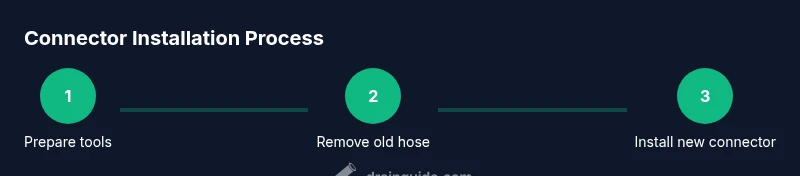
Replacing a washer drain hose connector begins with confirming you have the right size and type for your hose and drain. It also helps to understand the surrounding plumbing so you don’t create a bottleneck or misalignment. A well-fitted connector reduces the risk of leaks during high-spin cycles. In this guide, we’ll walk you through a practical, safe approach to installing or replacing a connector, including how to inspect the hose, choose a compatible fitting, and secure it with clamps and washers. Drain Guide’s practical approach emphasizes planning, measuring, and testing in the proper order to avoid under-tightening or overtightening the clamp, both of which can cause leaks or damage. The goal is to achieve a secure, clean connection that remains leak-free over many loads.
How to install a new connector safely and seal leaks
When installing a new washer drain hose connector, start by turning off the water supply and unplugging the machine if possible. Remove the old connector and inspect the hose end for wear, cracks, or stiffness. Fit the new connector onto the hose, making sure the gasket or washer seats properly. If you’re using clamps, position them evenly and tighten gradually to avoid crushing the hose. Ensure the connector is oriented correctly so water flows directly into the drain without bending the hose sharply. After installation, run a short wash cycle with towels or a bucket ready to catch any stray droplets, and inspect for leaks around both ends. Drain Guide reminds DIY homeowners to test under realistic load conditions to ensure the seal holds under pressure and vibration.
Maintenance and long-term care
Regular maintenance helps prevent wastage and floods. Inspect the washer drain hose connector every few months, looking for cracks, bulging areas, or looseness. Replace worn hoses and washers promptly rather than waiting for a leak to reveal itself. When tightening clamps, avoid overtightening, which can crush the hose and create cracks; use firm but even pressure. If you notice recurring leaks, consider upgrading to a metal clamp and a high-quality washer. Keeping the drain outlet clean and free of debris also reduces backflow risk and prolongs the life of the connector. Drain Guide recommends documenting the replacement date and checking hose health annually as part of routine appliance upkeep, especially in homes with frequent laundry use.
Troubleshooting leaks and clogs
Leaks at the connector are usually caused by a loose clamp, worn washer, or a damaged hose. If you detect a leak, first tighten the clamp slightly and re-check. If the leak persists, inspect or replace the washer and confirm the hose isn’t kinked or cracked. A clogged drain can also cause backflow and appear as leaks around the connector; clear the outlet and clean the hose end. For persistent problems, consider upgrading to a reinforced hose and a stainless-steel clamp, which provide greater durability under vibration. Drain Guide suggests always keeping spare washers and clamps on hand for quick field fixes during busy laundry days.
Safety and best practices
Safety comes first when servicing a washer drain hose connector. Always shut off the household water supply and unplug the machine before removing any components. Work on a dry surface and use a towel or bucket to catch water during disassembly. Avoid using tape or sealant as a permanent fix; they are stop-gap measures at best and can fail under pressure. When in doubt, consult a professional or refer to the appliance’s manual for compatible connector types and sizes. Following these guidelines will reduce the risk of water damage and ensure the washer operates safely.
Authoritative sources and further reading
For readers seeking deeper technical details, consider the following authoritative resources: the U.S. Department of Energy (energy.gov) on appliance safety and water use; a university extension program on home plumbing basics (extension.edu); and a major DIY publication that covers laundry plumbing components in detail (majorpublication.org). These sources provide background on safe installation practices, general plumbing sizing, and routine maintenance to keep drains clear and functioning properly. Drain Guide references these types of authoritative sources to inform homeowners and DIY enthusiasts about best practices and safety considerations.
Tools & Materials
- Washer drain hose connector(Match size to hose ID and drain socket; verify compatibility with hose clamps)
- Adjustable wrench(Use to tighten metal fittings without over-crushing)
- Screwdriver (flathead and Phillips)(For clamps and hose brackets)
- Channel-lock pliers(Useful for gripping and adjusting the connector and hose)
- Replacement washers or O-rings(Size-specific to the connector; replace if worn)
- Replacement hose clamps (metal preferred)(Ensure they fit the hose diameter)
- Bucket or towels(Catch water during removal and testing)
- Measuring tape or ruler(Measure hose ID and threaded outlet for correct fit)
- Marker or pen(Mark alignment or hose orientation for easy reassembly)
Steps
Estimated time: 30-45 minutes
- 1
Gather tools and prepare
Power off and unplug the washer if possible. Place towels or a bucket to catch any residual water. Inspect the area around the drain for cleanliness and signs of prior leaks. Confirm you have the correct size and type of washer drain hose connector for your hose and drain outlet.
Tip: Having everything ready reduces real-time stress and helps you stay organized. - 2
Turn off water and power
Shut off the cold water supply to the washer and unplug the unit from the outlet. This prevents accidental flooding or electrical shock while you work. If your home uses a hot water valve for the washer, close it as well to avoid any pressure fluctuations during the swap.
Tip: Take a photo of the old setup before removal to reference orientation. - 3
Disconnect the old connector
Loosen the hose clamps with a screwdriver or pliers and gently pull the hose away from the drain outlet. If the hose is stiff, apply a little warm water to loosen plastic fittings. Remove the old washer or gasket and inspect the hose end for cracks or wear.
Tip: Do not yank the hose; a slow, steady pull preserves the hose and outlet threads. - 4
Prepare the new connector
Choose the correct connector size and type for your hose and drain outlet. Install any new washers or O-rings into the connector before attaching to the hose. Dry-fit the connector to confirm alignment with the drain outlet.
Tip: A dry fit helps you avoid misalignment and rework later. - 5
Attach the new connector to the hose
Slide the connector onto the hose and seat the washer or gasket firmly. Ensure the hose end is not twisted and that the fitting sits straight. If your setup uses a bayonet or compression style, twist or secure as designed until it seats fully.
Tip: Do not over-tighten—excess force can crack either the hose or the connector. - 6
Secure with clamps and connect to drain
Position clamps over the hose end and tighten evenly around the connector. Attach the other end to the drain outlet, making sure it is fully seated. Check that there are no sharp bends in the hose that could impede flow.
Tip: Use high-quality metal clamps for durability and a tighter seal. - 7
Test for leaks and finalize
Plug the washer back in and run a short wash cycle with a towel ready to catch any small drips. Observe both ends of the connection for 2–3 minutes. If there are drips, tighten clamps slightly or replace washers as needed.
Tip: Testing under a light load helps you spot leaks before a full cycle.
Got Questions?
What size is a typical washer drain hose connector?
Most washers use a standard 3/4-inch garden hose thread connector. Always verify by measuring the hose ID and drain outlet before buying a replacement.
Most washers use a standard 3/4-inch garden hose thread, but you should measure to confirm.
Why is my washer drain hose connector leaking at the connection?
Leakage is usually caused by a loose clamp, a worn washer, or a damaged hose. Tighten clamps, replace washers, and inspect the hose for cracks if leaks persist.
Leaking is most often from a loose clamp or worn washer. Check clamps and replace the washer or hose if needed.
Can I use duct tape or sealant on a drain hose connector?
No. Tape or sealant may provide a temporary fix, but they can fail under pressure and cause flooding. Use proper clamps and sized washers for a reliable seal.
Avoid duct tape; use proper clamps and washers for a secure seal.
How do I measure the connector size if I can't see it clearly?
Measure the hose inner diameter and the threaded outlet with a ruler or calipers. Bring the old connector or photos to the store to ensure a precise fit.
Measure the hose diameter and thread size; bring the old connector for a precise match.
Is it safe to operate the washer during installation?
No. Shut off water, unplug the unit, and dry the area before starting. Never work with live electrical components near water.
Shut off water and unplug the washer before starting.
What if I don't have space for a clamp?
Choose a compression or bayonet connector with a slim profile and use compact clamps designed for tight spaces. In some cases, replacing the hose with a longer, more flexible option helps.
If space is tight, pick a slim connector and compact clamps, or use a more flexible hose.
Watch Video
The Essentials
- Identify the correct connector size before buying.
- Secure clamps evenly to prevent leaks.
- Test under a real load to confirm a leak-free seal.
- Regularly inspect hoses and connectors for wear.
- Use Drain Guide as a practical reference for best practices.