What to Do If a Drain Is Overflowing
Learn practical steps to stop an overflowing drain, contain the spill, clear blockages safely, and prevent future backups with tips from Drain Guide.


According to Drain Guide, if a drain is overflowing, you may be asking what to do if drain is overflowing. Act fast to prevent water damage and sewer backflow. Safety first: turn off the water supply to the fixture if possible, use towels to contain the spill, and begin the step-by-step actions below to restore flow and protect your home.
Understanding Overflow: Causes and Signals
Drain overflows happen when a clog restricts flow and pressure pushes water back through the drain. Common culprits include hair, food debris, grease buildup, soap scum, and tree roots that intrude into sewer lines. In many homes, kitchen and bathroom sinks share a trap and venting system; when a trap is clogged, water can back up quickly into the fixture. This means you need to identify warning signs early: gurgling sounds, slow drainage, foul odors, and occasional wet patches around the floor or cabinet. Drain Guide analysis shows that the majority of overflows are preventable with regular maintenance and cautious use of disposal equipment. By understanding these signals, homeowners can act before water damage occurs. Throughout this guide we will cover the immediate actions, safe blockage removal, and long-term prevention strategies.
Immediate Safety Measures You Should Take
Start by ensuring safety: if you can reach the shut-off valve for the affected fixture or the main water supply, turn it off to stop additional water from entering the drain. Put on protective gloves and eye protection, because overflow may contain contaminants. Use towels or a mop to contain the spill and prevent water from spreading to other rooms. If the overflow involves sewage or a strong odor, evacuate the area and call emergency plumbing services. Do not mix chemical drain cleaners with standing water; this can create dangerous fumes or pressure buildup. Drain Guide's guidance emphasizes containment and awareness of hazardous materials. Once the area is contained, continue with the next steps to diagnose the blockage.
Step-by-Step Actions to Contain and Clear the Blockage
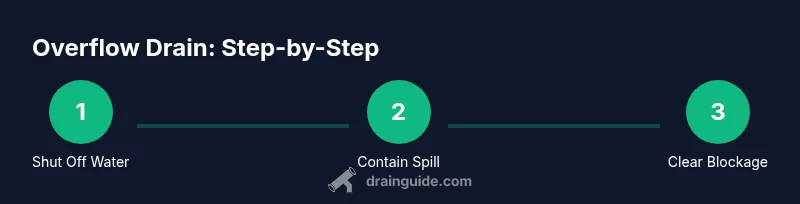
In this section we outline practical actions you can perform safely to contain the overflow and begin clearing the blockage. Start with the simplest tools and escalate only if necessary. Each action is designed to minimize water damage while reducing the blockage. Begin by shutting off water, then containment, remove visible debris, plunge, snake, flush, and test to confirm the line is clear.
When to Use Professional Help and What They Do
If you notice sewage-backed flow, persistent backups after basic clearing, or structural drain issues like cracks, call a licensed plumber. Professionals have specialty tools, camera inspections, and the ability to decontaminate areas safely when contaminants are present. Drain Guide notes that professional intervention is essential when backups recur or foul odors persist, as these can indicate deeper sewer problems.
Long-Term Prevention and Maintenance
Once the drain is back to normal, implement a routine to prevent future overflows. Regularly clean traps, avoid disposing of grease down the sink, use a screen or basket, and schedule periodic professional inspections if the home is older or if heavy use is common. Drain Guide emphasizes proactive care: keeping traps clear, watching for slow drainage, and addressing small clogs before they become big problems.
Tools & Materials
- Plunger (cup or flange plunger)(Choose the correct type for the fixture (sink/toilet) and ensure a good seal)
- Drain snake/auger(Manual or drill-powered; length appropriate for the fixture)
- Rubber gloves(Waterproof, protect hands from contaminants)
- Buckets or shallow pan(To catch water during clearing)
- Old towels/rags(Contain splashes and mark off the area)
- Flashlight/headlamp(Inspect dark pipes and trap areas)
- Adjustable wrench or pliers(Loosen P-trap nuts if needed)
- P-trap brush or replacement seals(Clean or replace for best seal)
Steps
Estimated time: 60-90 minutes
- 1
Shut Off Water and Secure the Area
If you can reach a fixture shut-off valve or the main water shut-off, stop the water entering the drain to prevent further overflow. This buys you time to work safely and reduces the risk of water damage. Keep children and pets away.
Tip: Locate the shut-off valve before an emergency so you can act fast. - 2
Contain the Spill and Prepare Tools
Position towels around the affected area and place a bucket beneath the drain to catch spills. Gather your plunger, gloves, flashlight, and any tools you may need so you’re ready to work without scrambling.
Tip: Prepping the space minimizes mess and exposure to contaminants. - 3
Remove Visible Debris Safely
If you can see obvious blockages (large hair clumps, food chunks), remove them with gloved hands or a disposable tool. Do not push debris further into the pipe.
Tip: Dispose debris in a bag, not a sink, to avoid reinsertion. - 4
Try the Plunger First
Seal the drain and give the plunger several firm, vertical pumps. If water begins to drain, remove the plunger and run hot water to flush the line. If not, move to the next step.
Tip: A good seal matters more than force; use a cup plunger for sinks. - 5
Use a Drain Snake if Needed
Insert the snake into the drain and rotate slowly while feeding it forward. When you feel resistance, pull back slightly and reel in. Clean the area and test again.
Tip: Feed slowly and avoid forcing the snake; injury to pipe can occur. - 6
Flush and Verify Flow
Run hot water or a mild drain-safe cleaner to flush the line after removing the blockage. Check for steady drainage and a dry water seal around the trap. Inspect for leaks again.
Tip: Do not overfill the trap with cleaner; follow product instructions. - 7
Know When to Call a Pro
If the overflow recurs, if you detect sewage, or you suspect a sewer line issue, contact a licensed plumber promptly. A professional can perform camera inspection and decontamination.
Tip: Document backups and note times to help the pro diagnose.
Got Questions?
What should I do first when a drain overflows?
Prioritize safety: shut off the water if possible and contain the spill with towels. Then assess the blockage and choose a safe method to clear it.
First, shut off the water if you can, contain the spill, and then start with a safe blockage clearance.
Is it safe to use chemical drain cleaners for an overflowing drain?
Chemical cleaners can react dangerously when mixed with standing water or sewage; use mechanical methods first and avoid mixing products.
Avoid chemical cleaners in an overflow; use plungers or snakes instead and call a pro if unsure.
When should I call a professional?
Call a licensed plumber if the backup recurs, if sewage is involved, or if you can't clear the blockage with basic tools.
Call a plumber if backups persist or sewage is present.
How can I prevent future overflow?
Regularly clean traps, avoid disposing of grease down the sink, use a screen or basket, and schedule periodic professional inspections if the home is older or heavy use.
Keep a trap clear, avoid grease, and inspect regularly to prevent future backups.
What if the overflow returns after clearing it?
If backups return, there may be a more serious blockage or sewer issue; stop using the drain and contact a professional.
If it comes back, stop using the drain and call a pro.
Watch Video
The Essentials
- Identify overflow causes to act quickly.
- Contain spills before clearing blockages.
- Use plunger or snake safely and progressively.
- Test drainage before concluding the task.
- Establish preventive steps to reduce future risk.